
The Big Tāhuna
- Nov 22, 2025
- Last edition date
- Distances from 100m to 3.2km
At a glance
- Last edition date
- November 22, 2025
- Distances
- 100 m · 200 m · 500 m · 1.3 km · 3.2 km
- Where
- Sea · Tahunanui Beach, Nelson, Tasman, New Zealand
- Entry fee
- 500 m: 75 NZD · 1.3 km: 95 NZD · 3.2 km: 124 NZD
- Registration
- oceanswim.co.nz
About the race
Snow-dusted mountain ranges rise across the wide horizon of Tasman Bay as swimmers wade into the waters off Tahunanui Beach. The Big Tāhuna is an open water swimming event staged in the sea at Tahunanui Beach in Nelson. Organized by the Ocean Swim Series, the race takes place in November, offering late-spring ocean competition. The event provides a tiered progression of distances to suit different ambitions, starting with 100-metre and 200-metre sprints alongside the 500-metre Mini Tāhuna. Swimmers seeking longer distances can step up to the 1.3-kilometre Small Tāhuna or take on the flagship 3.2-kilometre Big Tāhuna course across the bay. For those spending time in the region, the calendar allows pairing this swim with Opening Splash 2025, held three kilometres away just six days earlier.
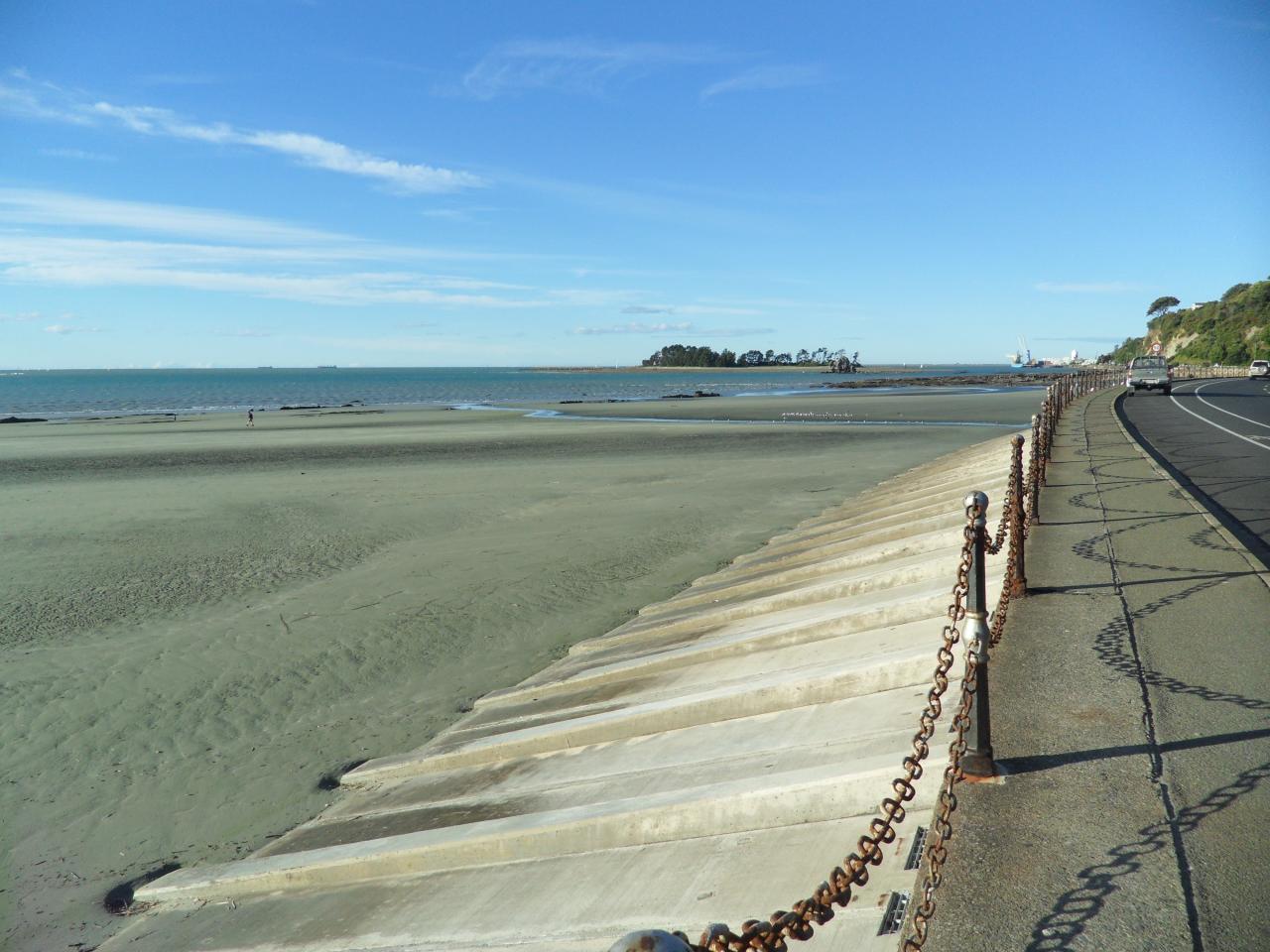
Stepping into Tasman Bay in November delivers brisk conditions, with past editions recording water temperatures around 15 degrees Celsius. During the 3.2-kilometre race, swimmers have contended with long, rolling swells that obscure the course markers and demand focused sighting between wave crests. The effort is rewarded by expansive views stretching across the bay to distant alpine summits. Once dry, competitors gather in central Nelson at The Vic Public House for an after-party tradition linked to local lore, where two ocean swimmers first met in 2020 before later marrying.
Tahunanui Beach: the great sandbank and coastal rockpools
Tahunanui Beach frames the bay and defines the swimming arena from the shore out into deeper water. The beach extends across a 1.75-kilometre sweep of sand that shifts dramatically with the tidal cycle. At the eastern end, the receding low tide lays bare a network of rocky pools that shelter small shore crabs, fish, and sea snails. The coastal terrain here was altered by historic movement: the Tāhunanui slump of 1892 and the subsequent building of Rocks Road provoked coastal erosion that reshaped the beachfront over the decades that followed.
Nelson Haven and the 13-kilometre Boulder Bank
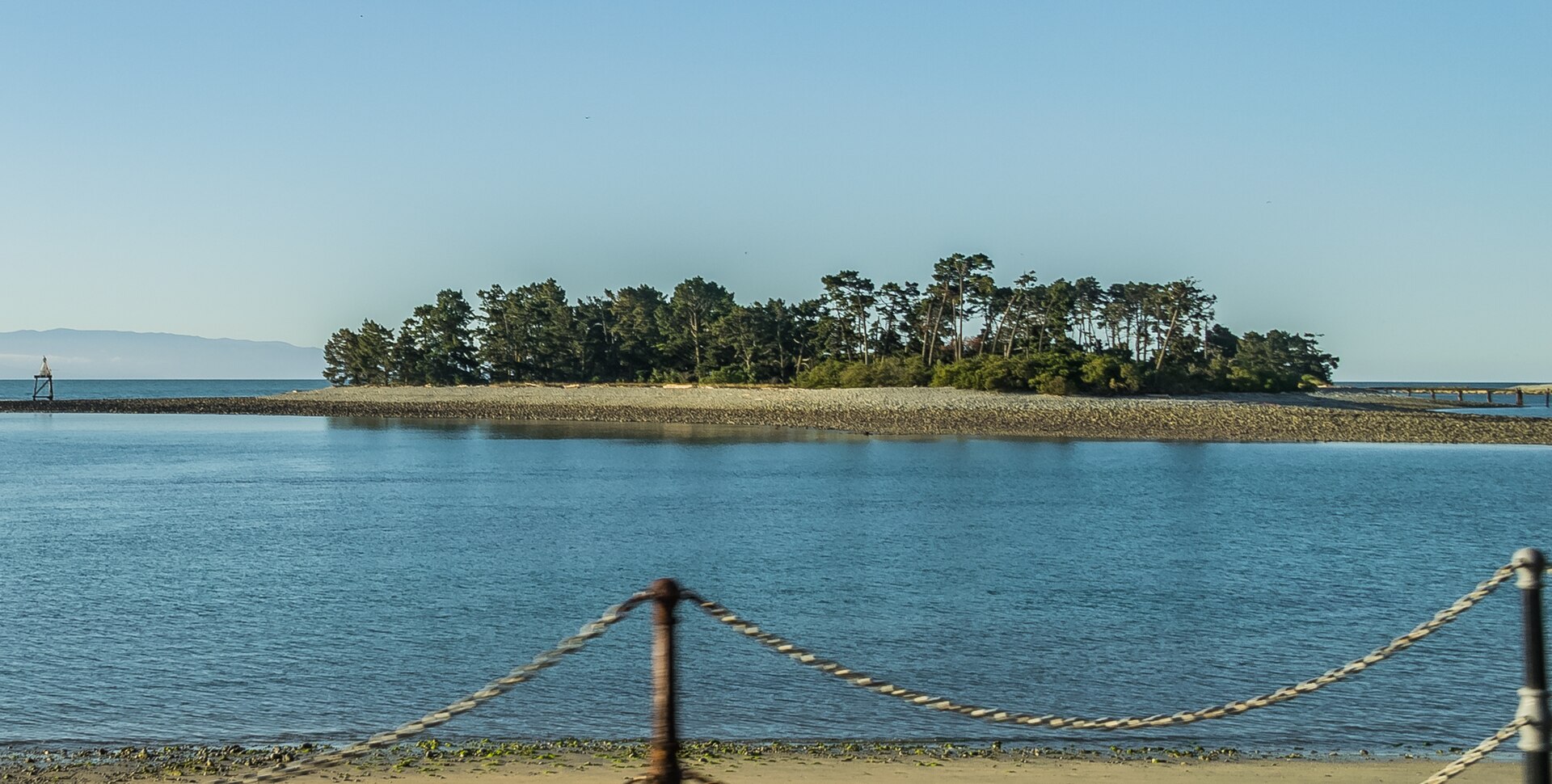
The entrance to Nelson harbour is protected by the Boulder Bank, a 13-kilometre natural spit composed of granodiorite boulders. These stones originate at Mackay Bluff, drifting at an estimated speed of 7.5 metres each year. Atop this stony ridge sits the Boulder Bank Lighthouse, erected in 1862 as the second permanent lighthouse constructed in New Zealand. To accommodate maritime traffic, an artificial passage was excavated through the stone barrier starting in 1903, reaching a width of 61 metres by 1905 and opening to larger vessels in 1906. Known as The Cut, this channel is maintained today at a width of 150 metres and is dredged every six months to sustain a draft of 10 metres.
Behind the barrier lies Nelson Haven, an estuary of salt marsh and mudflats spanning over eight kilometres long and up to two kilometres wide. The haven floods and empties with each tidal cycle, creating vast mudflats that support dense colonies of mud crabs. At the mouth of the Maitai River, the river estuary provides habitat for shorebirds such as the Red Knot and oystercatchers, while native fish including inanga and longfin eel share the fresh current with brown trout.
Fifeshire Rock and Haulashore Island: wrecks at the harbour gates
The opening of The Cut created the isolated 0.5-hectare plot known as Haulashore Island. During the 1960s, ferrets were introduced to this pocket of land in an effort to control its rabbit population. Only a narrow waterway separates Haulashore Island from Arrow Rock, a jagged islet sitting in Tasman Bay. Arrow Rock takes its name from the 212-ton brig Arrow, the first vessel to sail into Nelson harbour on November 2, 1841. The crag proved hazardous to early navigation, causing the shipwreck of the Fifeshire in 1842, after which the stone was renamed Fifeshire Rock. In September 1866, the schooner Three Sisters also wrecked after colliding with the rock. Today, the sea stack provides quiet roosting territory for spotted shags overlooking the bay.
Waimea Inlet and Rabbit Island: the ancient estuarine wilderness
About six kilometres away opens the Waimea Inlet, the largest estuary in the South Island, encompassing approximately 3,455 hectares. Formed over the last 6,000 years through post-glacial sea level rise and accumulated sediment, the inlet operates under significant tidal ranges between 2.6 and 4.2 metres. Although around 200 hectares of the original estuary have been lost to land reclamation since the 1840s, it remains an essential habitat for wading birds, including herons, egrets, spoonbills, and the banded rail. The inlet contains ten islands, of which Bell Island is the largest at 147 hectares. Another major landform within the estuary is Best Island, spanning 3.7 kilometres from northwest to southeast. While causeways link Best Island to the South Island and Bell Island, legal property access to its land parcels remains restricted to the water.
Sheltering the outer expanse of the estuary is Moturoa / Rabbit Island, which built up from barrier island deposits near the mouth of the Waimea River roughly 7,000 years ago. Māori occupied the barrier island for more than 800 years. In 1908, the Rabbit Island Recreation Reserve was formally established across Rabbit, Rough, and Bird Islands, preserving a wild coastal boundary.
Sources: Nelson, New Zealand · Haulashore Island
Course
Open water swimming race at Tāhunanui Beach, Nelson. Includes three main distances: 3.2km (The Big Tāhuna), 1.3km (The Small Tāhuna), and 500m (The Mini Tāhuna). Coastal course in open sea.
Awards
Refer to the 'Series Prizegiving & Awards' section on the official website for details.
Previous editions
Useful info
Part of the New Zealand Ocean Swim Series. Wetsuit rental available. Information regarding registration, categories, and safety regulations is managed through the official series portal. Event date: November 22, 2025.
How to get there
Nelson Airport (NSN) is 6km from the city center. There are no passenger trains. The race site at Tāhunanui Beach can be reached in a 10-minute drive or bus ride from the center. Free public parking is available along the beach. Car rental is recommended to explore the region.
The Big Tāhuna
Frequently asked questions
- When was the last edition of The Big Tāhuna?
- The last edition of The Big Tāhuna took place on November 22, 2025.
- What distances does The Big Tāhuna offer?
- The Big Tāhuna offers 100 m, 200 m, 500 m, 1.3 km, and 3.2 km.
- How much is the entry fee for The Big Tāhuna?
- Entry fees by distance: 500 m: 75 NZD · 1.3 km: 95 NZD · 3.2 km: 124 NZD.
- Where does The Big Tāhuna take place?
- The Big Tāhuna is a sea swim. Location: Tahunanui Beach, Nelson, Tasman, New Zealand.
- How do I register for The Big Tāhuna?
- The reference page for registering for The Big Tāhuna is https://www.oceanswim.co.nz/pages/results-the-big-tahuna-22nd-nov-2025.
Where to stay
Nelson offers a diverse range of stays, from boutique hotels clustered around the historic port area to comfortable beachside apartments within walking distance of the Tāhunanui shoreline. For a more relaxed weekend, you will find several holiday parks and camping sites positioned right at the edge of the dunes, providing direct access to the beach for early morning swims. Expect to pay between $150 and $350 per night for quality mid-range lodging, though prices vary significantly depending on proximity to the water and seasonal demand.
Things to do nearby
The weekend is perfect for exploring the natural and cultural heritage of the Nelson-Tasman region. Beyond the water, you can visit local art galleries showcasing the historic argillite craft or take a guided kayak trip to explore the protected waters near the Boulder Bank. The region is also famous for its vineyard and orchard trails, which offer refreshing tastings after a morning in the salt. For those who prefer land-based activity, the nearby coastal trails provide excellent views of the bay and the surrounding mountain ranges.
Swimmers
What to see around
1. Abel Tasman National Park (kayaking/hiking), 2. Nelson Market (local crafts), 3. Centre of New Zealand (scenic hike), 4. World of WearableArt Museum, 5. Wine tasting in the Moutere Hills.
Other races by this organiser
- Roberton Island HopRussell, NZ
- Lake Karapiro Swim FestCambridge, NZ
- The Epic SwimTaupō, NZ
Similar races


Comments
Transparency: some links on this page (stays, flights, experiences, gear) are affiliate links — if you book or buy through them, Omniathlon may earn a commission from the partner at no extra cost to you. As an Amazon Associate we earn from qualifying purchases.