
Bean Rock Swim
- Dec 12, 2026
- Distances from 100m to 3.4km
At a glance
- Next edition date
- December 12, 2026
- Distances
- 100 m · 200 m · 800 m · 1.7 km · 3.4 km
- Where
- Sea · Mission Bay, Selwyn Domain, Auckland, New Zealand
- Entry fee
- 800 m: 75 NZD · 1.7 km: 95 NZD · 3.4 km: 140 NZD
- Wetsuit
- Wetsuits are optional but recommended; hire available via event partners.
- Registration
- oceanswim.co.nz
About the race
Built on stilts above the reef of Te Toka a Kapetawa, New Zealand's last wooden cottage-style beacon watches over the sea approach to Waitematā Harbour. For a single morning, its active maritime fairway opens to swimmers setting out from the shore of Selwyn Domain at Mission Bay. The Bean Rock Swim is an open water swimming race organized in these sheltered harbour waters of Auckland. Swimmers gather on the sand before plunging into the bay to strike out toward the offshore lighthouse. The event, organized by New Zealand Ocean Swim Series, offers several distances to suit different ambitions, starting with 100-metre and 200-metre OceanKids dashes alongside an 800-metre course, a 1.7-kilometre swim, and the marquee 3.4-kilometre journey.
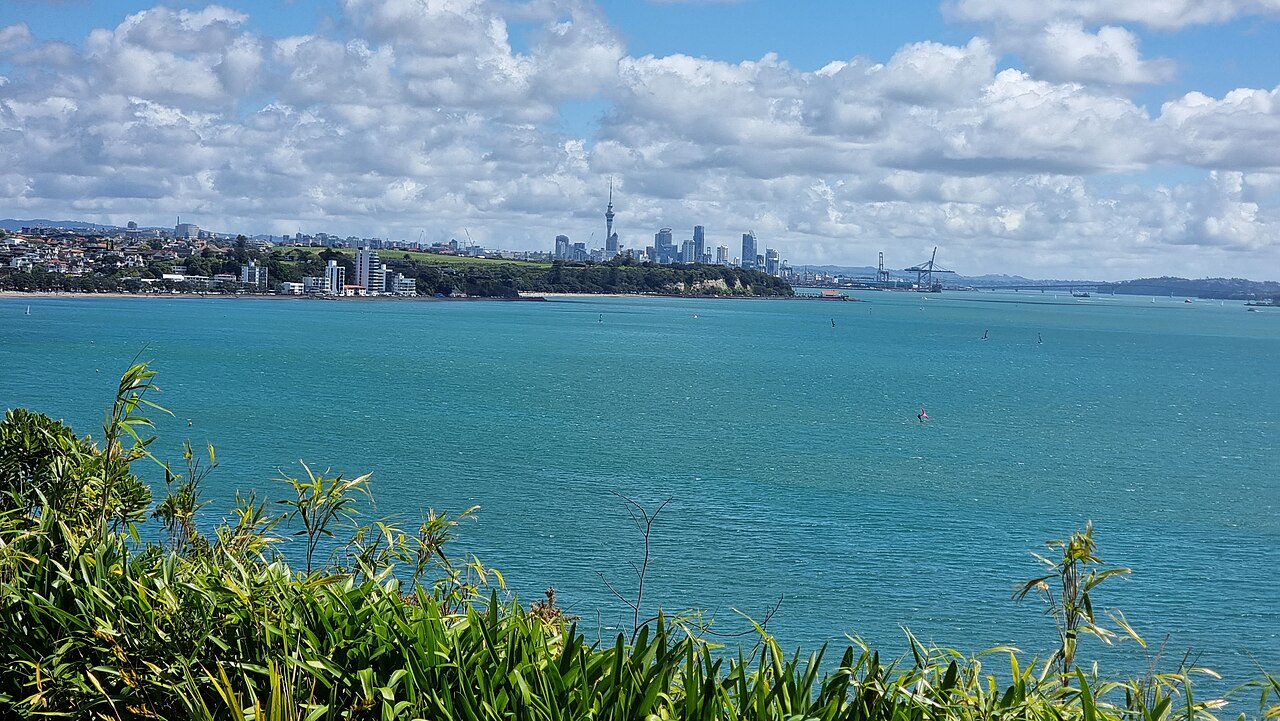
For younger participants, the OceanKids races are free to enter and welcome children aged 5 to 12. Taking on the full 3.4-kilometre loop calls for sound open-water competence. Because the beacon sits right inside an active shipping channel, swimming here independently is unsafe and strictly restricted during normal port operations. On race morning, the course is secured with comprehensive lifeguard cover. The waters are tidal, and participants must anticipate navigating mild sea chop along the outer legs before finding their rhythm. In December, the early summer sea reaches a pleasant, inviting warmth that suits distance swimming without the bite of winter chills. In past editions, close to one thousand swimmers have taken to the water on calm, serene mornings to embark on the crossing.
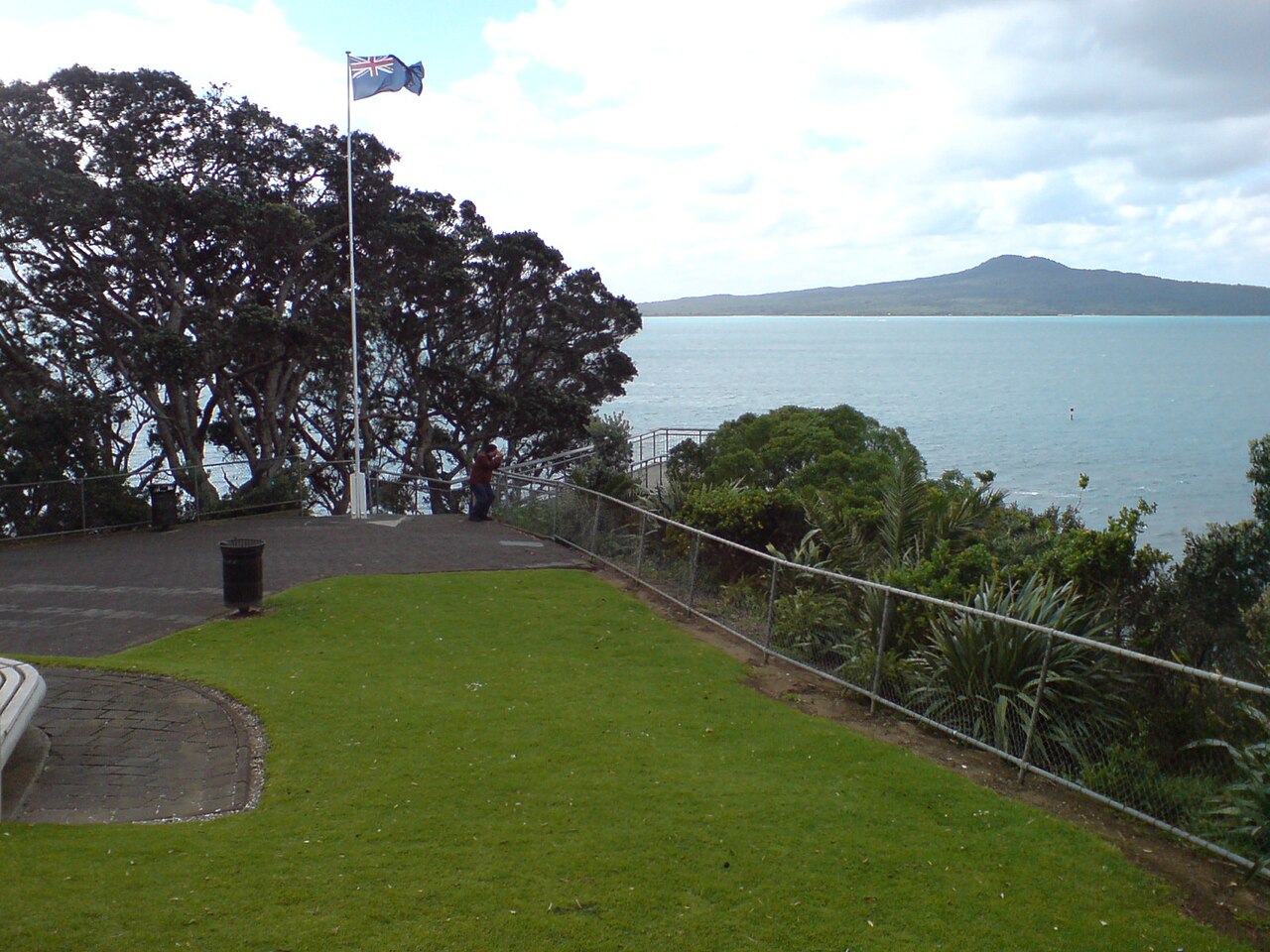
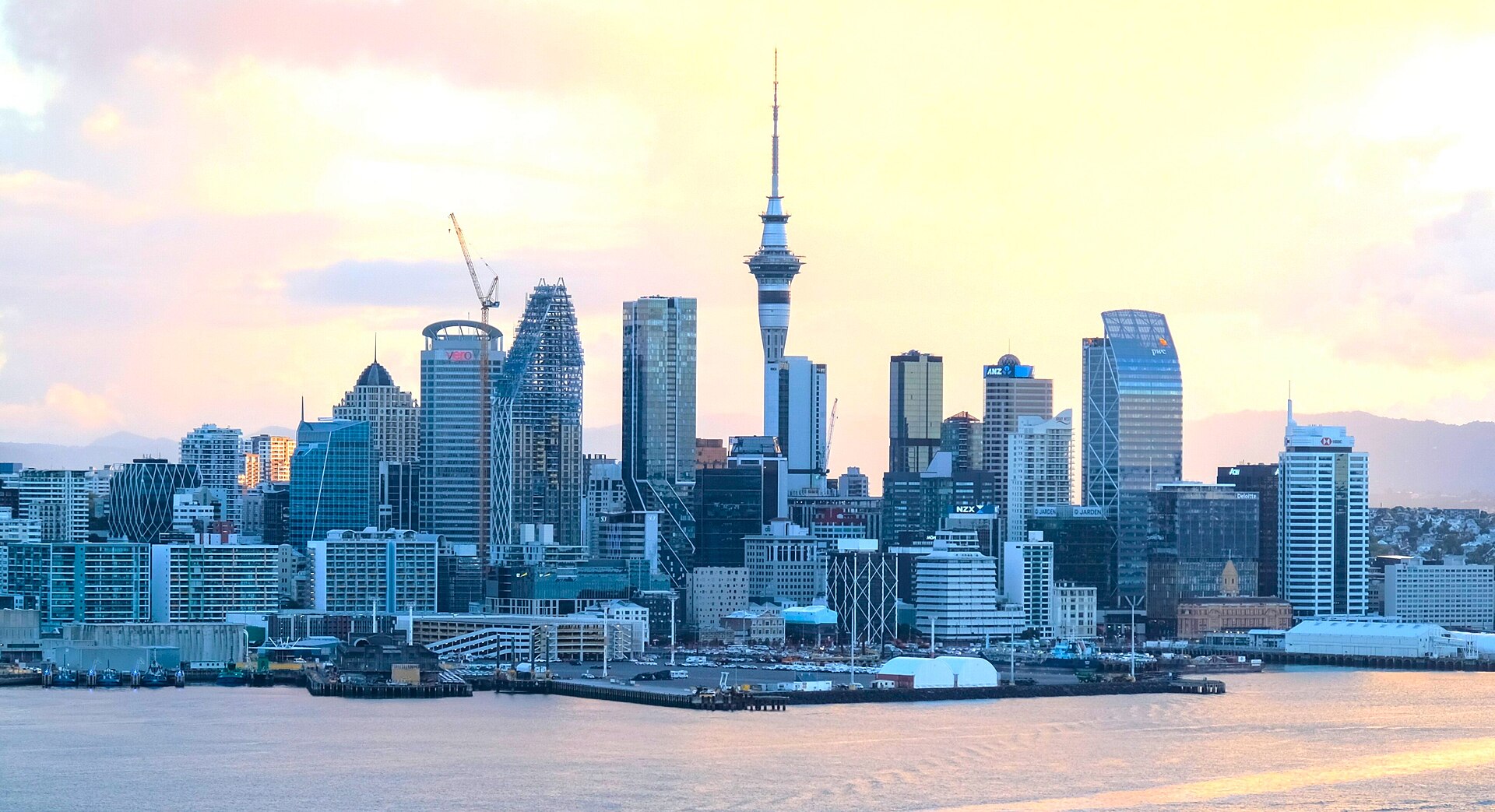
Glancing up between breaths offers a sweeping visual spectacle, with the volcanic silhouette of Rangitoto Island on one side and the Auckland Sky Tower dominating the city skyline. The race joined the New Zealand Ocean Swim Series. Crossing the finish line brings a sweet local tradition, where every participant receives a celebratory bag of jellybeans alongside fresh bananas.
Te Toka a Kapetawa: the 1870 cottage lighthouse
Bean Rock Lighthouse has anchored the entrance of Waitematā Harbour since its construction in 1870. Resting on the Te Toka a Kapetawa reef, it was erected to warn incoming vessels away from treacherous shallows that long endangered coastal shipping. Local maritime trade flourished with salvagers like C. Gouk, who raised more than sixty shipwrecks across regional waters between 1863 and 1908. By the twentieth century, the basin served as the bustling operational hub of Auckland's commercial fishing fleet. Harbour yards also played a vital role in national defence, with the Beaumont Street yard constructing minesweepers including the Hinau, Manuka, Rimu, and Tawhai during World War II. Timber craftsmanship endured at the Percy Vos boatyard, founded in 1937 at 37 Hamer Street and preserved today by the Maritime Museum.
Nearby, the towering racing yacht KZ1 stands on public display as a monument to modern competitive yachting. Long before modern regattas, Olympic swimmer Malcolm Champion, who served as custodian of the historic Tepid Baths, regularly swam across the harbour waters to commute home to the North Shore. The Tepid Baths themselves share a direct link with the harbour, having been constructed on the site of an old drydock. The facility originally sourced its saltwater directly from Waitematā Harbour, heating the pools with surplus thermal water from the neighbouring tramways power station. The main pool featured depths between 1.1 and 2.1 metres, serving generations of Auckland aquatic athletes until converting to freshwater in 1974.
Waitematā Harbour: volcanic geology and tidal waters
The race unfolds in a distinctive geographical setting where Auckland sits on an isthmus pinched between the Pacific Ocean's Waitematā Harbour and the Tasman Sea's Manukau Harbour. Harbour water temperatures follow a broad seasonal cycle, cooling to their annual low in August before climbing to their warmest peak in February. Ancient volcanic activity directly shaped the harbour coastline. A prehistoric lava flow once dammed the Waihorotiu Stream, creating an extensive swamp where the freshwater met the saltwater of Waitematā Harbour. Centuries later, Māori communities recognized the tactical geography of the area, establishing fortified pā atop volcanic cones to oversee the crucial portages between the eastern and western harbours. Military control of the shoreline initially centred on Fort Britomart, the primary base on the harbour before Albert Barracks.
In 1849, Albert Barracks provided shelter for seven weeks to the shipwrecked crew of the French corvette L'Alceme. Sections of the barracks' stone wall, later dismantled, were repurposed to build railway culverts at Mechanics Bay. The islands of the wider Hauraki Gulf serve variously as residential suburbs and protected offshore wildlife sanctuaries. These expansive outer waters have hosted legendary yachting battles, including the 2002–2003 Louis Vuitton Cup and the 2003 America's Cup. During the opening race of that America's Cup, the New Zealand vessel was forced to withdraw after taking on heavy water in its cockpit. The following contest delivered high drama with an intense duel of thirty-three tacking manoeuvres along the fifth leg.
Mission Bay along Tamaki Drive: stone heritage and beachfront promenade
At the conclusion of the swim, competitors emerge onto the sand at Mission Bay, a popular seaside suburb situated along picturesque Tamaki Drive. The beachfront promenade is flanked by a wide selection of eateries, providing swimmers and supporters with ideal places to eat and unwind after their efforts in the harbour. Just set back from the beachfront stand historic mission buildings erected in 1858. These heritage structures were crafted using dark volcanic scoria rock quarried directly from Rangitoto Island. Today, the former St. Andrews College building continues to welcome visitors as a leased local restaurant. The Auckland waterfront stretches along the southern coastline of Waitematā Harbour, extending from Ports of Auckland to the Auckland Harbour Bridge.
Built in the late 1950s, the bridge transformed regional transit and fuelled the rapid suburban expansion of the North Shore. Beyond its Pacific-facing shoreline, Auckland also features a distinct secondary waterfront along Manukau Harbour. The shoreline closer to the central business district reflects generations of maritime development, with much of the downtown area built on land reclaimed from the harbour. European settlement was first established in 1840 along the beaches of Commercial Bay. On Queens Wharf, early Aucklanders once gathered for recreational fishing and strolls above the waves. Today, the wharf stores ripening bananas and imported vehicles, while modern urban redevelopments like the Wynyard Quarter replace former industrial docks with vibrant harbourfront plazas and homes.
Downtown transit along the waterfront continues to evolve with the historic Auckland Ferry Building, constructed between 1909 and 1912 on reclaimed ground. It served as the gateway for travel across the harbour until the Harbour Bridge opened in 1959. Today, modern maritime transit thrives alongside the old docks, bolstered by the Te Wananga downtown ferry precinct and a six-berth ferry terminal completed in 2021, featuring curved roofs and ornamental turrets designed to evoke sea vessels. After a morning spent circling the historic beacon out in the shipping channel, returning to this sheltered beach allows swimmers to savour the harbour's rich seafaring life from the quiet sand.
Sources: Auckland
Course
Short course for children focused on fun and participation in the ocean.
Short course for children focused on fun and participation in the ocean.
A shorter course designed for those building confidence in open water, located near the shore.
A shorter version of the harbour loop, providing the same experience of swimming around the iconic Bean Rock lighthouse.
A stunning harbour loop starting from the shore, heading out across the shipping channel to round the Bean Rock lighthouse before returning to the start.
Awards
- Age group awards
Awards for Top 3 overall and Top 3 in each age group for 3.4km and 1.7km. 800m finishers receive a ribbon. OceanKids receive a medal.
Aid stations
Hydration station available on site; participants must bring their own drink bottle.
Previous editions
How to get there
Plenty of car parking available around Mission Bay and Selwyn Domain, including roadside parking and public car parks. Arriving early is recommended.
Bean Rock Swim
Frequently asked questions
- When is Bean Rock Swim?
- Bean Rock Swim takes place on December 12, 2026.
- What distances does Bean Rock Swim offer?
- Bean Rock Swim offers 100 m, 200 m, 800 m, 1.7 km, and 3.4 km.
- How much is the entry fee for Bean Rock Swim?
- Entry fees by distance: 800 m: 75 NZD · 1.7 km: 95 NZD · 3.4 km: 140 NZD. Standard pricing shown; earlybird discounts available. OceanKids (100m/200m) are free.
- Is a wetsuit required at Bean Rock Swim?
- Wetsuits are optional but recommended; hire available via event partners.
- Where does Bean Rock Swim take place?
- Bean Rock Swim is a sea swim. Location: Mission Bay, Selwyn Domain, Auckland, New Zealand.
- How do I register for Bean Rock Swim?
- The reference page for registering for Bean Rock Swim is https://www.oceanswim.co.nz/pages/bean-rock.
Where to stay
Mission Bay and the surrounding Auckland central suburbs offer diverse lodging, ranging from boutique hotels overlooking the harbour to serviced apartments and guesthouses. Prices typically fluctuate between 120 and 350 EUR per night depending on proximity to the waterfront and the level of amenities. Camping options are generally located slightly further from the city center, primarily within the regional parks of the Hauraki Gulf islands.
Things to do nearby
The Auckland weekend is defined by its maritime culture and volcanic geography. Visitors can explore the Hauraki Gulf via kayak or SUP tours, or take a ferry to the nearby island summits. The city center offers extensive opportunities for wine and food tasting, reflecting the region's diverse culinary scene. For those interested in history, the waterfront features numerous heritage walks, while the volcanic cones provide accessible trekking paths with panoramic views across the two harbours that define the city's unique isthmus location.
Swimmers
Other stages of this series
- Roberton Island HopRussell, NZ
- Legend of the LakeRotorua, NZ
- The Whanga SwimWhangamatā, NZ
- Lake Karapiro Swim FestCambridge, NZ
- Ocean Swim Series - Multi-event passAuckland, NZ
Other races by this organiser
- Swim the NightRotorua, NZ
- The Mount Ocean SwimMount Maunganui, NZ
- Ocean Swim Series - RotoVegasRotorua, NZ
Similar races


Comments
Transparency: some links on this page (stays, flights, experiences, gear) are affiliate links — if you book or buy through them, Omniathlon may earn a commission from the partner at no extra cost to you. As an Amazon Associate we earn from qualifying purchases.