
Swim GP - Travessia Oeiras-Cascais
- Jul 24, 2027
- Distances from 200m to 20km
At a glance
- Next edition date
- July 24, 2027
- Distances
- 200 m · 400 m · 1 km · 1.9 km · 3.8 km · 5 km · 10 km · 20 km
- Where
- Sea · Cascais, Lisboa, Portugal
- Entry fee
- 5–150 €
- Registration
- swimgp.com
About the race
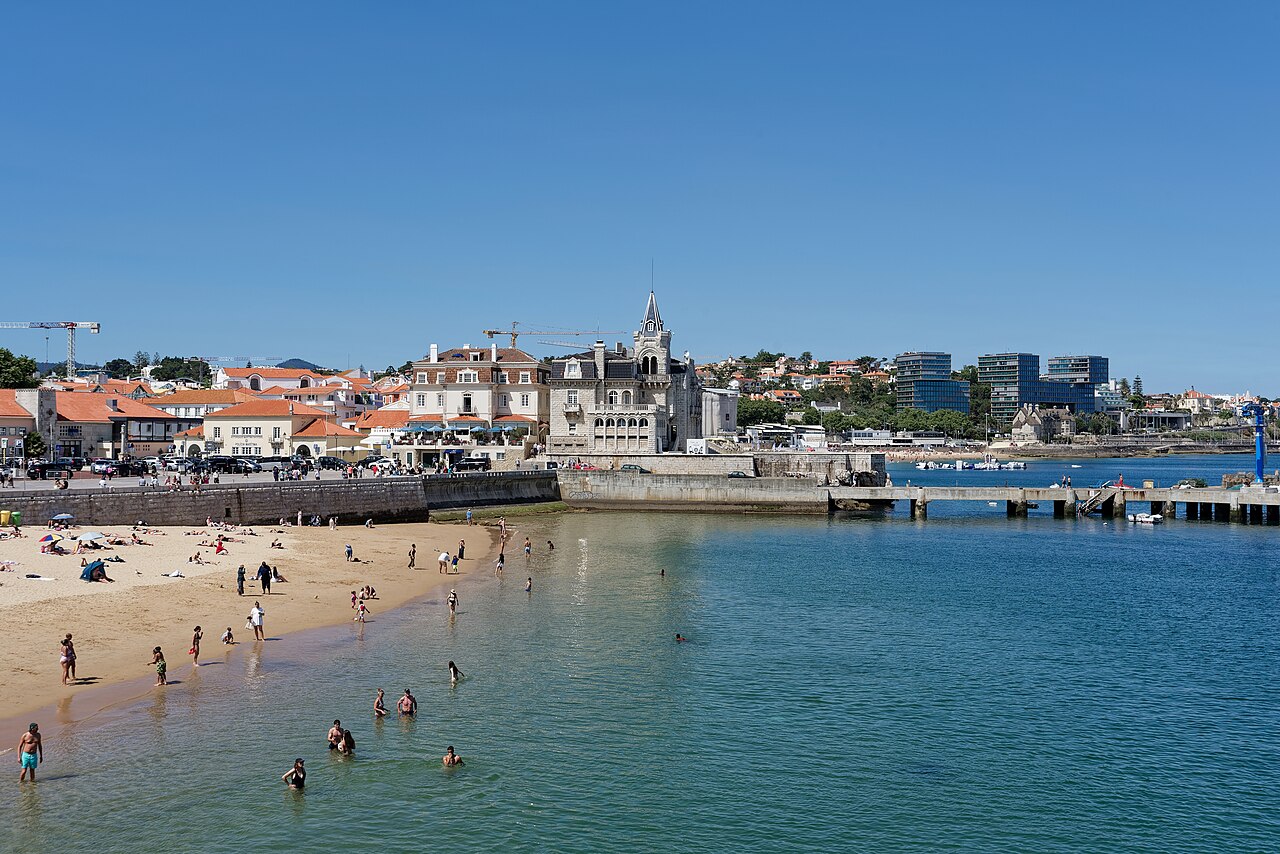
The Swim GP - Travessia Oeiras-Cascais is an open water swimming race held in the Atlantic ocean along the scenic coastline of Cascais and Oeiras, in the Lisbon district of Portugal. Organized by Swim Grand Prix in partnership with local athletic associations, the event centers on a traditional open-water passage. The marquee 10-kilometer marathon swim launches directly from the sands of Torre Beach in Oeiras and finishes on the golden arc of Praia dos Pescadores in downtown Cascais. Beyond the 10-kilometer passage, the event offers a wide range of distances to suit different endurance levels, including 5 km, 3.8 km, 1.9 km, and 1 km open water courses, as well as shorter 100 m, 200 m, and 400 m dashes designed for younger swimmers.
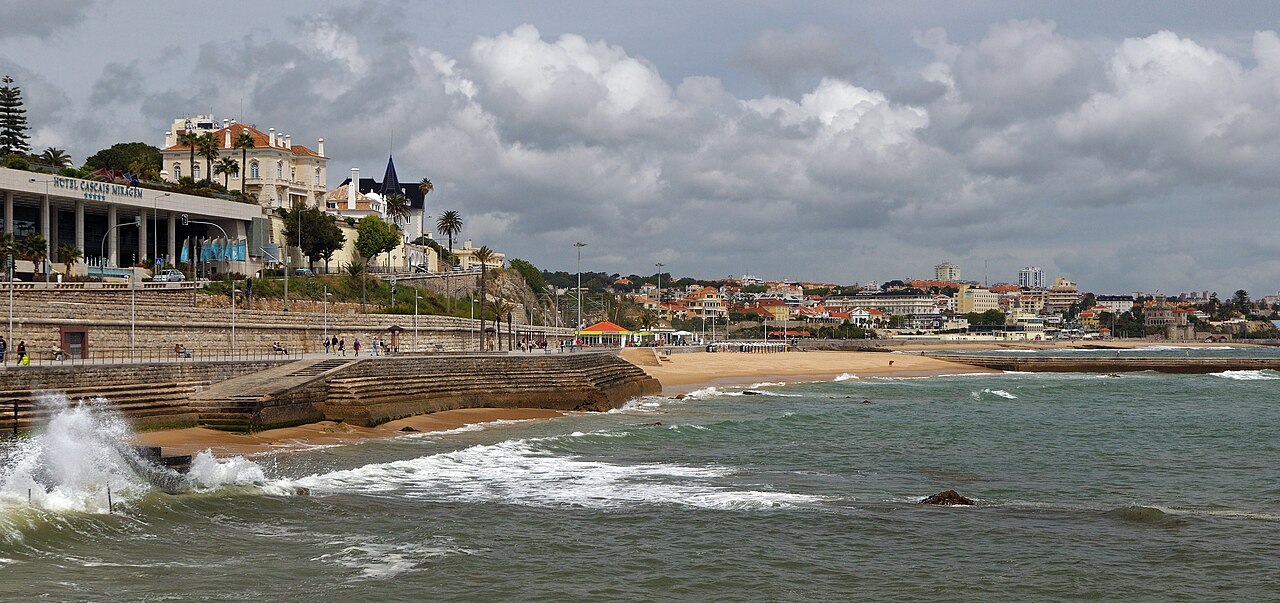
Swimmers tackling the ultimate endurance test can take on the concurrent 20-kilometer Travessia Lisboa – Cascais, which begins upstream at Belém Dock in Lisbon right beneath the Monument to the Discoveries. That ultramarathon course demands negotiating roughly 9 kilometers within the Tagus River before entering 11 kilometers of open ocean, where river tidal flows can surge at speeds reaching 2.5 meters per second to sweep competitors out toward the coast. Out on the open water in July, conditions test ocean awareness and swimming stamina. The initial kilometer of the 10-kilometer route out from Torre Beach can be subject to notable tidal currents. In previous editions, participants have contended with bracing, icy ocean water and gusty coastal breezes blowing up to 12 knots, challenging sight lines across the chop.
Before taking to the water, athletes take part in an opening ceremony where competitors from twenty nations parade proudly behind their flags, underscoring the international gathering on the shoreline. The swim culminates in a celebratory arrival at Praia dos Pescadores, where cheering spectators pack the natural hillside amphitheater overlooking the harbor to welcome every finisher ashore.
Praia da Parede and the fossilized dinosaur coast
Praia da Parede is a distinctive shoreline distinguished by steep coastal bluffs and a jagged rocky substrate that juts into the surf line. Exposed within the marly limestone platforms is a remarkable paleontological treasure: a deposit of fossilized footprints left by quadrupedal dinosaurs, identified as sauropods, impressed into the ancient rock surface. The irregular, trampled limestone shelves suggest multiple prehistoric trackways, revealing that heavy reptiles once traversed what is now the wave-washed surf zone of the Portuguese coast. The adjacent sands of Praia da Baforeira mark the western boundary of the Avencas Biophysical Interest Zone, enclosed by unstable cliffs and rock jetties that divide the coastline. Long before modern swimmers raced past these cliffs, Parede was celebrated as a natural health destination. Patients journeyed here for medicinal thalassotherapy, immersing themselves in the sunlit shore waters to treat bone tuberculosis and rickets.
Cascais Bay: royal oceanography and the Boca do Inferno
Gliding into the harbor brings swimmers into the heart of Cascais, an ancient maritime community. Centuries earlier, Roman settlers capitalized on the bounty of these Atlantic waters, leaving behind industrial fish-salting installations including ten stone vats uncovered along Rua Marques Leal Pancada. In modern times, Cascais became the cradle of Portuguese marine science. In 1882, the town installed one of the earliest tide gauges in Europe to aid ships navigating the entrance to the port of Lisbon. Soon after, in 1896, King Carlos I established Portugal's first oceanographic laboratory inside the seaside citadel, directing twelve scientific research expeditions. The coastline rises into dramatic sheer cliffs carved by Atlantic swells, culminating at the Boca do Inferno.
Here, ocean breakers surge through a submerged opening into the bottom of a gaping chasm, smashing forcefully against the vertical rock walls. The thunderous power of the waves churning within the cavern captured the imagination of early filmmakers, serving as the subject of the pioneering 1896 British motion picture A Sea Cave Near Lisbon.
Praia do Tamariz and the Estoril seaside promenade
The Cascais seawall begins at Praia da Azarujinha, a picturesque cove tucked beneath steep cliffs that measures just 45 meters in length, making it the smallest beach on the entire Estoril coast. A short stroll along the shore brings visitors to Praia da Poça, nestled between defensive coastal ridges crowned by Forte Velho and Forte de São Teodósio da Cadaveira. The beach features an easy sandy incline where the Cadaveira stream historically met the sea, adjacent to an elegant seaside building that once housed the nineteenth-century Poça Thermal Baths. With a gently sloping 190-meter sandy beach and a dedicated open-air ocean pool nestled against its eastern rocky jetty, Tamariz long served as a refined summer playground for Portuguese and international high society.
Praia de Santo Amaro and the coastal fortresses
Praia de Santo Amaro de Oeiras is an expansive 700-meter sandy beach that slopes gently into the bay. Framed between the mouth of the Laje stream and the historic stone ramparts of Forte de São João das Maias, the beach represents a storied corner of the coast where Manuel de Arriaga, the first President of the Portuguese Republic, famously bathed in the early twentieth century. The rocky breakwaters and seawalls lining the Passeio Marítimo de Oeiras host rich intertidal birdlife throughout the seasons. Keen-eyed observers along the stone shoreline can spot purple sandpipers foraging among the spray-drenched rocks, while ruddy turnstones and agile sanderlings feed along the tide line directly fronting the historic walls of Forte de Santo Amaro do Areeiro. Across the blue ocean swell to the shelter of Cascais, the race delivers a pure Atlantic journey steeped in maritime heritage.
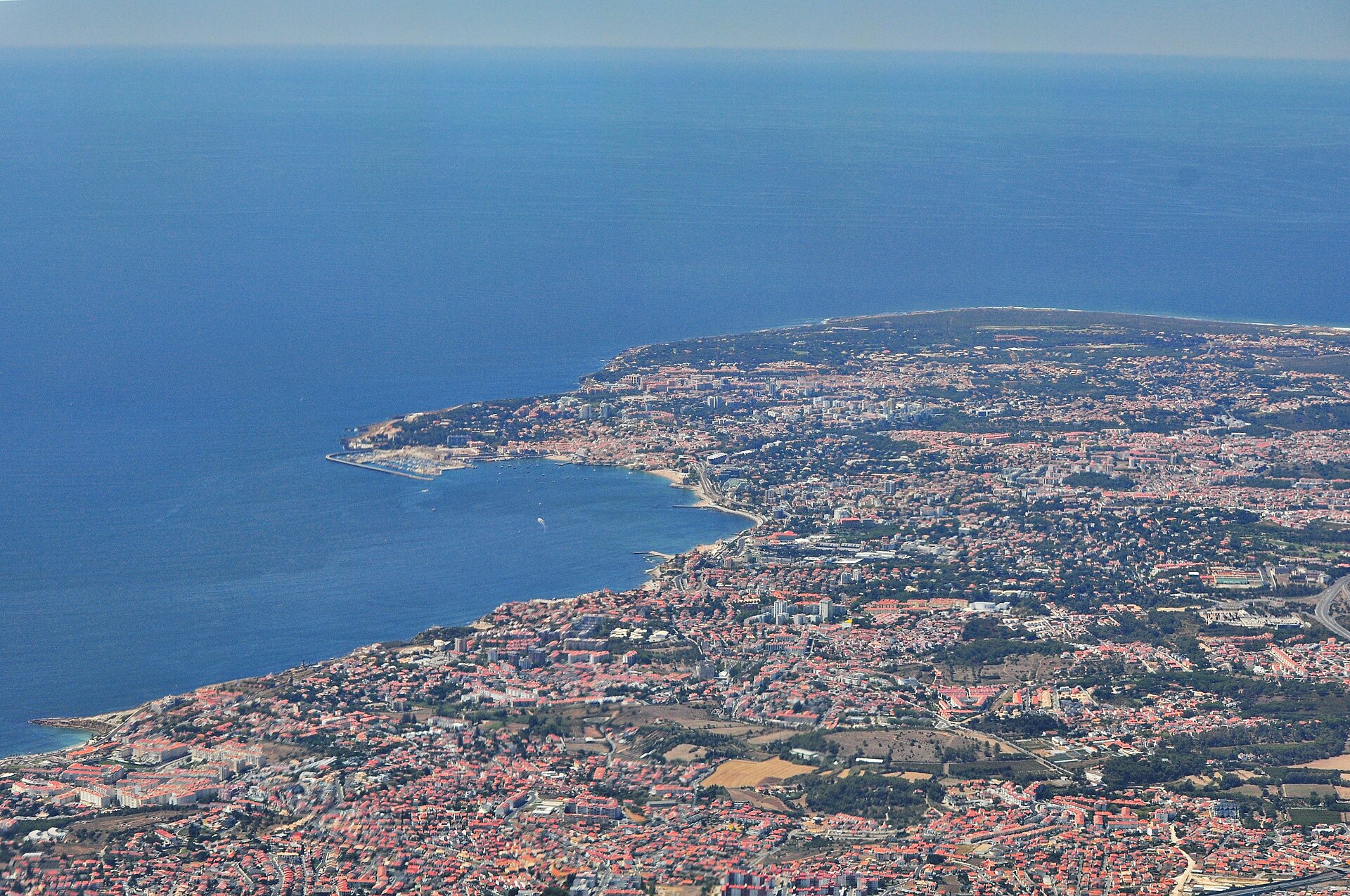
Sources: Cascais · Praia de Carcavelos · Praia da Parede · Praia da Baforeira
Course
Point-to-point crossing from Lisbon to Cascais.
Previous editions
- 2026Jul 18, 2026
Useful info
Event open to various categories. Includes competitive and children's distances (200m/400m). Online registration available via the official website. It is recommended to check specific requirements for longer distances (e.g., 20km).
How to get there
Lisbon Airport (LIS) at 30km. Train: Cascais-Cais do Sodré line, Cascais stop (10 min walk). By car: A5 from Lisbon, public parking available at Marina de Cascais or the city center. The area is well served by local buses and ride-sharing services.
Swim GP - Travessia Oeiras-Cascais
Frequently asked questions
- When is Swim GP - Travessia Oeiras-Cascais?
- Swim GP - Travessia Oeiras-Cascais takes place on July 24, 2027.
- What distances does Swim GP - Travessia Oeiras-Cascais offer?
- Swim GP - Travessia Oeiras-Cascais offers 200 m, 400 m, 1 km, 1.9 km, 3.8 km, 5 km, 10 km, and 20 km.
- How much is the entry fee for Swim GP - Travessia Oeiras-Cascais?
- The entry fee ranges from 5 € to 150 €.
- Where does Swim GP - Travessia Oeiras-Cascais take place?
- Swim GP - Travessia Oeiras-Cascais is a sea swim. Location: Cascais, Lisboa, Portugal.
- How do I register for Swim GP - Travessia Oeiras-Cascais?
- The reference page for registering for Swim GP - Travessia Oeiras-Cascais is https://swimgp.com/pt/.
Where to stay
Cascais offers a range of stays, from historic boutique hotels overlooking the harbor to functional apartment rentals near the train station. Coastal villas and renovated fishermen's houses in the old town are popular for their proximity to the race start. During the summer, prices typically fluctuate between €150 and €350 per night depending on the proximity to the waterfront and the prestige of the property.
Things to do nearby
The Cascais coastline is a hub for active exploration. Beyond the race, visitors often engage in sea kayaking or SUP tours to explore the base of the cliffs near Boca do Inferno. Inland, the Sintra-Cascais Natural Park provides extensive trekking paths. Local culture is centered on the maritime heritage, with daily seafood tastings in the town center and historical visits to the Citadel of Cascais, which once housed the country’s first oceanographic laboratory.
Swimmers
What to see around
1. Boca do Inferno (iconic cliff). 2. Cabo da Roca (westernmost point of Europe). 3. Sintra-Cascais Natural Park (hiking/biking). 4. Cascais historic center and beaches (Praia da Rainha). 5. Sintra National Palace (15km away).
Other races by this organiser
- Swim GP MykonosMykonos, GR
Similar races


Comments
Transparency: some links on this page (stays, flights, experiences, gear) are affiliate links — if you book or buy through them, Omniathlon may earn a commission from the partner at no extra cost to you. As an Amazon Associate we earn from qualifying purchases.