Spuyten Duyvil 10K
- Distance: 10km
At a glance
- Distances
- 10 km
- Where
- River · Spuyten Duyvil — Hudson/Harlem River, New York, United States
- Entry fee
- 150 USD
- Wetsuit
- All swimwear, including wetsuits, is permitted.
- Registration
- nyopenwater.org
About the race
The Spuyten Duyvil 10K is an open water swimming event held along the tidal waters of the Hudson and Harlem rivers in New York. Organized by New York Open Water, the point-to-point journey covers a distance of 10.5 kilometres. Swimmers launch from the shoreline of JFK Marina and Park in Yonkers and travel downstream to finish at the historic Inwood Canoe Club on Manhattan's northern shoreline. Entering the water in September, participants encounter comfortable late-season river conditions as the tide sweeps down the Hudson. The event is designed as a non-competitive, untimed river journey rather than a race against the clock, allowing participants to savour the landscape. Safety remains paramount throughout the wide river corridor, and every swimmer is required to tow an inflatable swim buoy.
Swimmers of all styles are welcomed: the event is open to participants aged sixteen and older, and all swimwear, including wetsuits, is fully permitted. First organized in 2016, the journey has built a warm, communal following among distance swimmers. Over the years, the swim has welcomed remarkable athletes, including quadruple amputee Craig Dietz, who navigated the entire river course without arms or legs. At the end of the course, participants are welcomed ashore with a commemorative shirt and goodies, joining friends and supporters for a celebratory post-swim barbecue right on the dock at the Inwood Canoe Club.
The 10 km line down the eastern Hudson shore
The Spuyten Duyvil 10K starts at JFK Marina in Yonkers and finishes at the Inwood Canoe Club in Manhattan, passing the point where the Harlem River meets the Hudson. After a short westward leg to circle a buoy, swimmers turn south along the eastern Hudson shore for 10 km. The current runs with the swimmers at about 1 mph, and swim angels and safety repositioning may be used as needed. The listed water temperature for the swim is 66-72 °F. At the Inwood Canoe Club the swimmers turn left around the final buoy and leave the water by a ladder. The time limit is 2.5 hours, and the field is capped at 200 swimmers.
The Hudson River and the Spuyten Duyvil tidal confluence
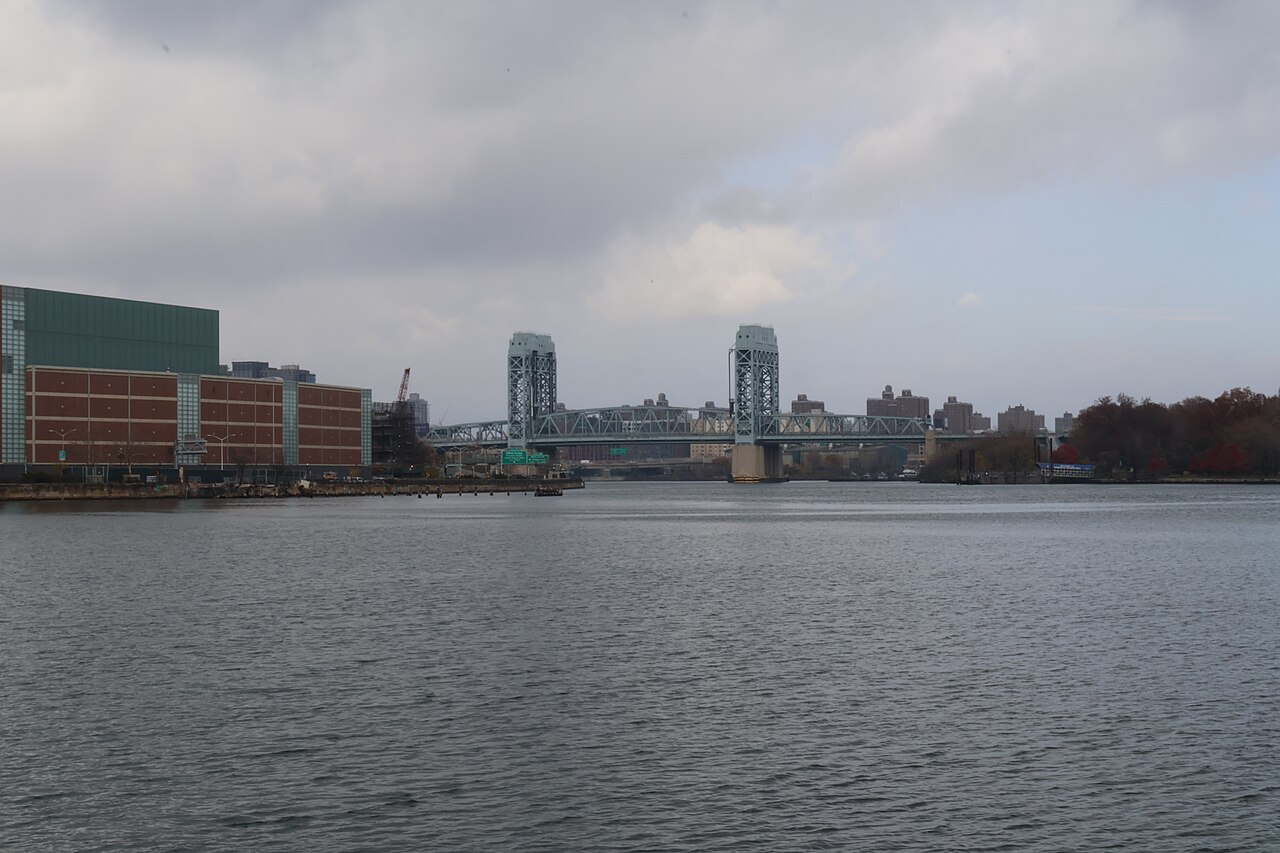
As the route approaches the northern tip of Manhattan, the broad expanse of the Hudson constricts toward the mouth of the Harlem River. 17th-century settlers christened the passage Spuyten Duyvil, referring either to a freshwater spring or to a lost messenger. Today, equipped with modern safety buoys, swimmers glide smoothly through the passage.
Shorakapok and Spuyten Duyvil Creek: centuries of crossings
Long before European ships entered these waterways, the Wecquaesgeek band of the Lenape tribe lived along these shores for nearly seven centuries. The Lenape called Spuyten Duyvil Creek by the name Shorakapok, meaning the sitting down place or the place between the ridges. European exploration brought dramatic change to these tranquil waters in the autumn of 1609. By the seventeenth century, European settlers looked for practical ways to cross the unpredictable tidal currents of the creek. Frugal travelers regularly traversed the wading place to avoid paying ferry tolls. In 1693, Frederick Philipse constructed King's Bridge across the creek near today's West 230th Street. During the American Revolutionary War, military strategists recognized the strategic value of the high bluffs overlooking the river confluence.
High on the hill, American forces erected Fort Cockhill, a five-sided earthen fortification armed with two cannons that commanded the mouth of Spuyten Duyvil Creek. The redoubt fell to Hessian Grenadiers on November 16, 1776, during the fighting of the Battle of Fort Washington. Eighteenth-century stone kilns burned local Inwood marble to produce lime, supplying mortar for military battlements throughout New York Harbor.
The Harlem River Ship Canal and Spuyten Duyvil swing bridge
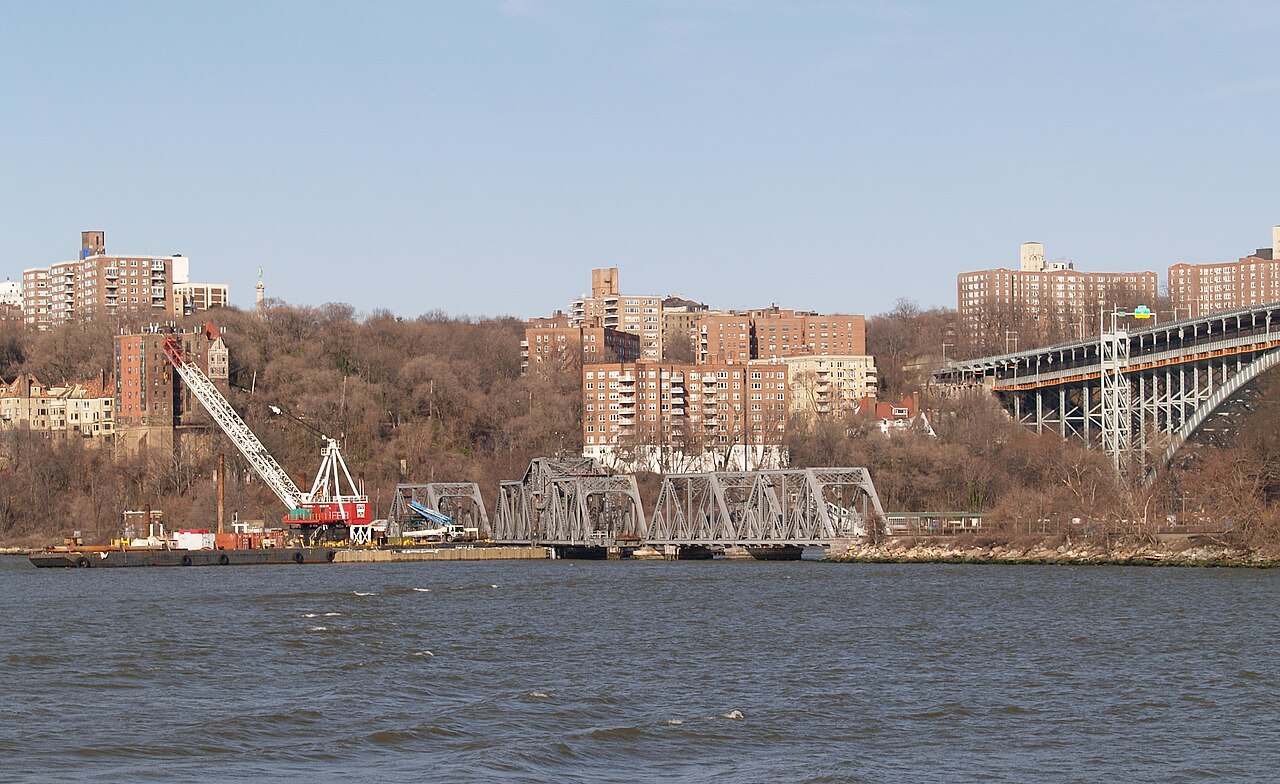
The natural passage between the rivers was radically reshaped by nineteenth- and twentieth-century civil engineering. Workers excavated the Harlem River Ship Canal to a width of 400 feet and depths reaching up to 18 feet. In 1914, the original meandering creekbed was completely filled in with massive quantities of rock excavated during the construction of Grand Central Terminal. Later channel excavations between 1937 and 1938 permanently severed a 13.5-acre peninsula from the Bronx mainland, annexing it into Manhattan. Erected in 1900, the Spuyten Duyvil Bridge sits on massive pile foundations sunk directly into the riverbed. Carrying passenger trains into Manhattan, the bridge deck sits remarkably low, resting only five feet above the surface of the river.
The bridge features a 290-foot-long swing section that swivels nearly 65 degrees. This swing mechanism opens more than a thousand times each year, predominantly during summer months to accommodate passing recreational boats and sightseeing cruises. Just east of the low-slung rail span stands the Henry Hudson Bridge.
Muscota Marsh and Inwood Hill Park beside the finish
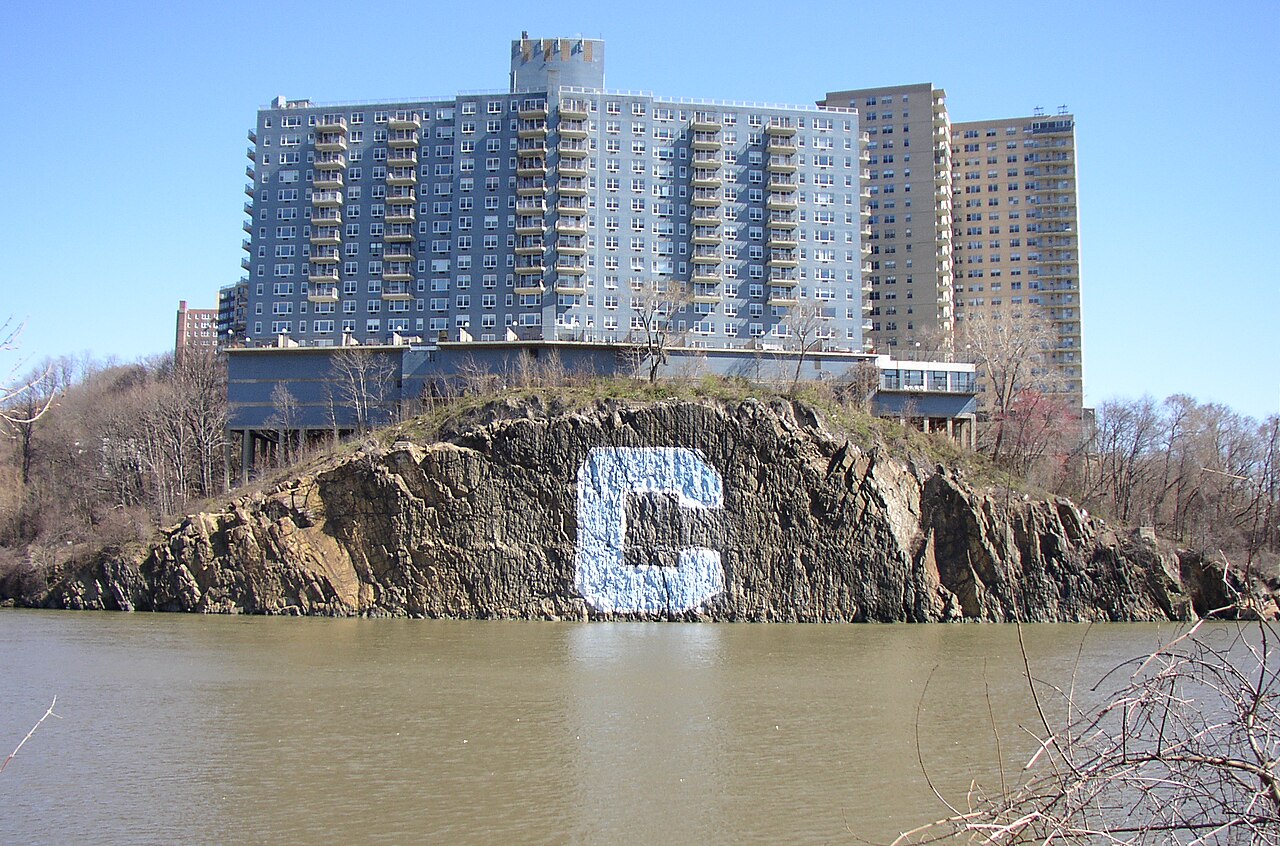
Near the tidal creek lies Muscota Marsh. Its name comes from the Lenape language, translating to place of rushes or place in the reeds. The wetland combines both freshwater and saltwater marshes, engineered to capture and filter rainwater runoff before it enters the river channel. The marsh provides a peaceful sanctuary where the public and paddlers can engage directly with the Harlem River's water. A specialized dock accommodates canoes and kayaks. From these observation decks, spectators enjoy sweeping panoramas of Inwood Hill Park, the steel structure of the Henry Hudson Bridge, and the rugged Palisades cliffs across the Hudson. Between 2002 and 2009, conservationists carried out a restoration project using hacking boxes to reintroduce bald eagles to Manhattan's skies.
Course
Current-assisted route starting at JFK Marina, Yonkers. Swimmers head west, circle a buoy, then swim south along the eastern Hudson shore for 10 km, passing Spuyten Duyvil, to finish at the Inwood Canoe Club in Manhattan.
Awards
The event is non-competitive and untimed.
How to get there
Spuyten Duyvil 10K
Frequently asked questions
- What distances does Spuyten Duyvil 10K offer?
- Spuyten Duyvil 10K has a single distance: 10 km.
- How much is the entry fee for Spuyten Duyvil 10K?
- The entry fee is 150 USD. registration closed; event not running in 2026
- Is a wetsuit required at Spuyten Duyvil 10K?
- All swimwear, including wetsuits, is permitted.
- Where does Spuyten Duyvil 10K take place?
- Spuyten Duyvil 10K is a river swim. Location: Spuyten Duyvil — Hudson/Harlem River, New York, United States.
- How cold is the water at Spuyten Duyvil 10K?
- The organizer states a water temperature of 20 °C (68 °F).
- How do I register for Spuyten Duyvil 10K?
- The reference page for registering for Spuyten Duyvil 10K is https://www.nyopenwater.org/spuyten-duyvil-10k-2026/.
Where to stay
Accommodations near the finish line in Inwood and nearby Riverdale range from modest guesthouses to boutique hotels located in repurposed historic buildings. Budget-conscious participants often opt for rooms in northern Manhattan, typically costing between $180 and $300 per night, depending on proximity to the subway lines. For those preferring quieter surroundings, the Riverdale area offers smaller inns that provide easy access to the Metro-North train for a quick commute to the start. Check our local lodging guide for options with reliable storage for swimming gear.
Things to do nearby
The weekend of the swim is ideal for exploring the natural and cultural elevation of upper Manhattan. Visitors can trek through the ancient rock formations of J. Hood Wright Park, which contains its own secluded cave system, or visit the medieval collections at The Cloisters. For those who prefer being on the water, the Inwood Canoe Club offers a community-based look at the local maritime culture. Exploring these nearby historical and recreational sites provides a deeper understanding of the river valley topography that you navigate during the swim.
Swimmers
Other races by this organiser
- Ederle-Burke SwimNew York, US
- 2 Bridges Swim Under The WalkwayPoughkeepsie, US
- 20 Bridges Swim Around Manhattan — RelayNew York City, US
- 40 Bridges - Double Manhattan Island SwimNew York City, US
- 8 Bridges Hudson River SwimNew York, US
- Little Red Lite SwimNew York, US
Similar races


Comments
Transparency: some links on this page (stays, flights, experiences, gear) are affiliate links — if you book or buy through them, Omniathlon may earn a commission from the partner at no extra cost to you. As an Amazon Associate we earn from qualifying purchases.