
Kochi Swimathon Ultra+
- Apr 11, 2027
- Distances from 400m to 20km
At a glance
- Next edition date
- April 11, 2027
- Distances
- 400 m · 1 km · 2 km · 4 km · 6 km · 10 km · 16.1 km · 20 km
- Where
- River · River Periyar, Aluva, Kochi, Kerala, India
- Entry fee
- 400 m: 1450 INR · 1 km: 2450 INR · 2 km: 2950 INR · 4 km: 3950 INR · 6 km: 4950 INR · 10 km: 5600 INR · 16.1 km: 6700 INR · 20 km: 7400 INR
- Registration
- tdksports.com
About the race
In the early morning hours of April, the freshwater currents of the Periyar River at Aluva turn into India's premier open-water arena, challenging marathon swimmers over courses up to twenty kilometres. The Kochi Swimathon Ultra+ takes place along this broad, scenic river corridor in Aluva, in the Kochi metropolitan area of Kerala. Organized by TDK Sports, the event is recognized as India's largest open water swimathon, drawing distance swimmers from across the country to its starting pontoons. Entering its fifth edition, the gathering brings together a vibrant riverfront festival where athletes find an unusually extensive program of distances. The competition caters to every tier of open water racer, offering eight separate distances: 400 metres, 1 kilometre, 2 kilometres, 4 kilometres, 6 kilometres, 10 kilometres, 16.1 kilometres, and the flagship 20-kilometre ultramarathon.
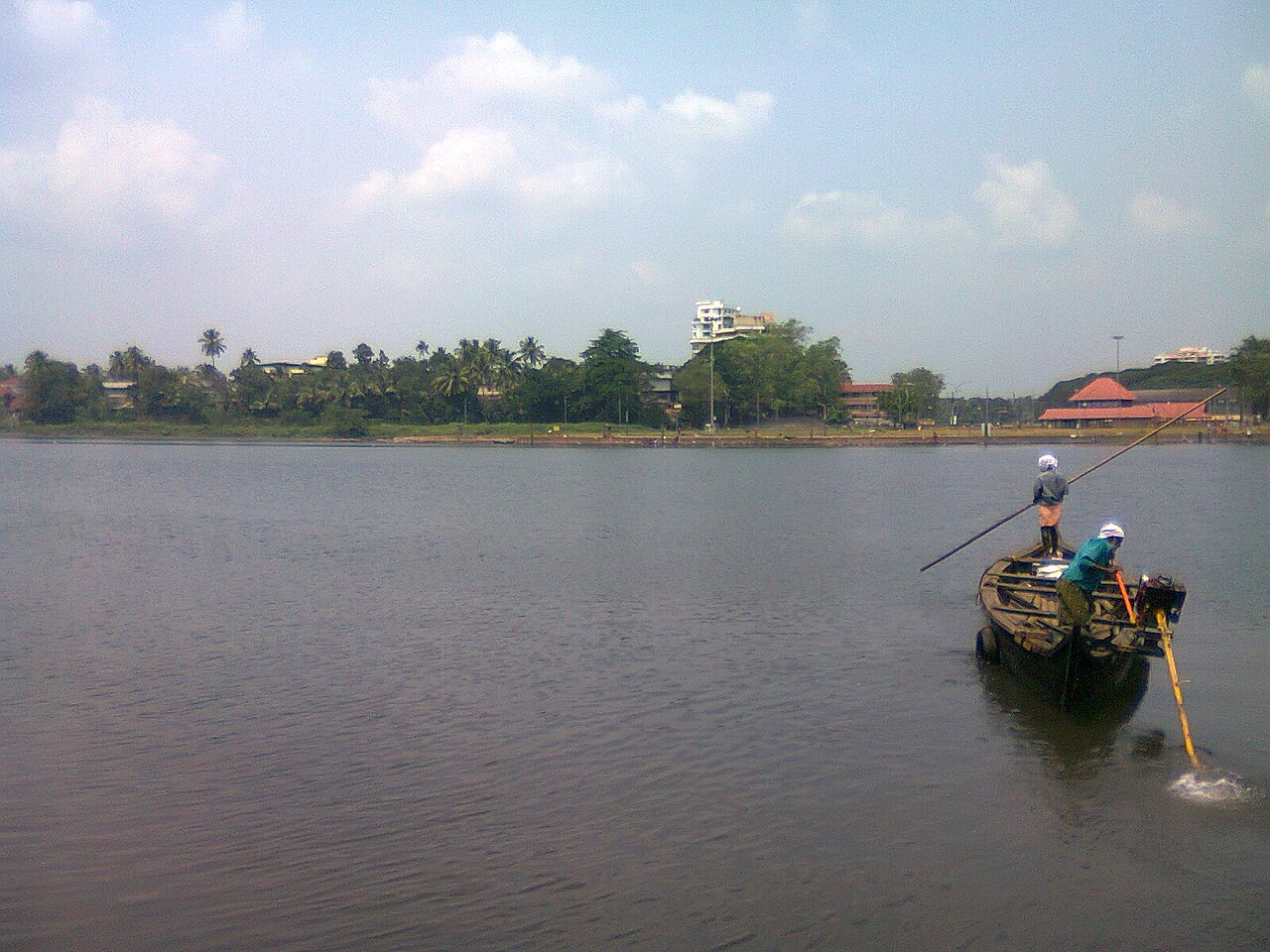
Swimmers line up under the warm Kerala morning to take on the fresh waters, where each registration provides chip timing, a finisher medal, an official certificate, and a hearty post-race breakfast along the banks. In past editions, the scenic river stretch has hosted over 800 participants and volunteers, turning the winding course through Aluva into an energetic highway of orange swim buoys and escort boats cutting across steady river currents.
The Periyar and Chalakudy confluence towards Kottapuram lagoon
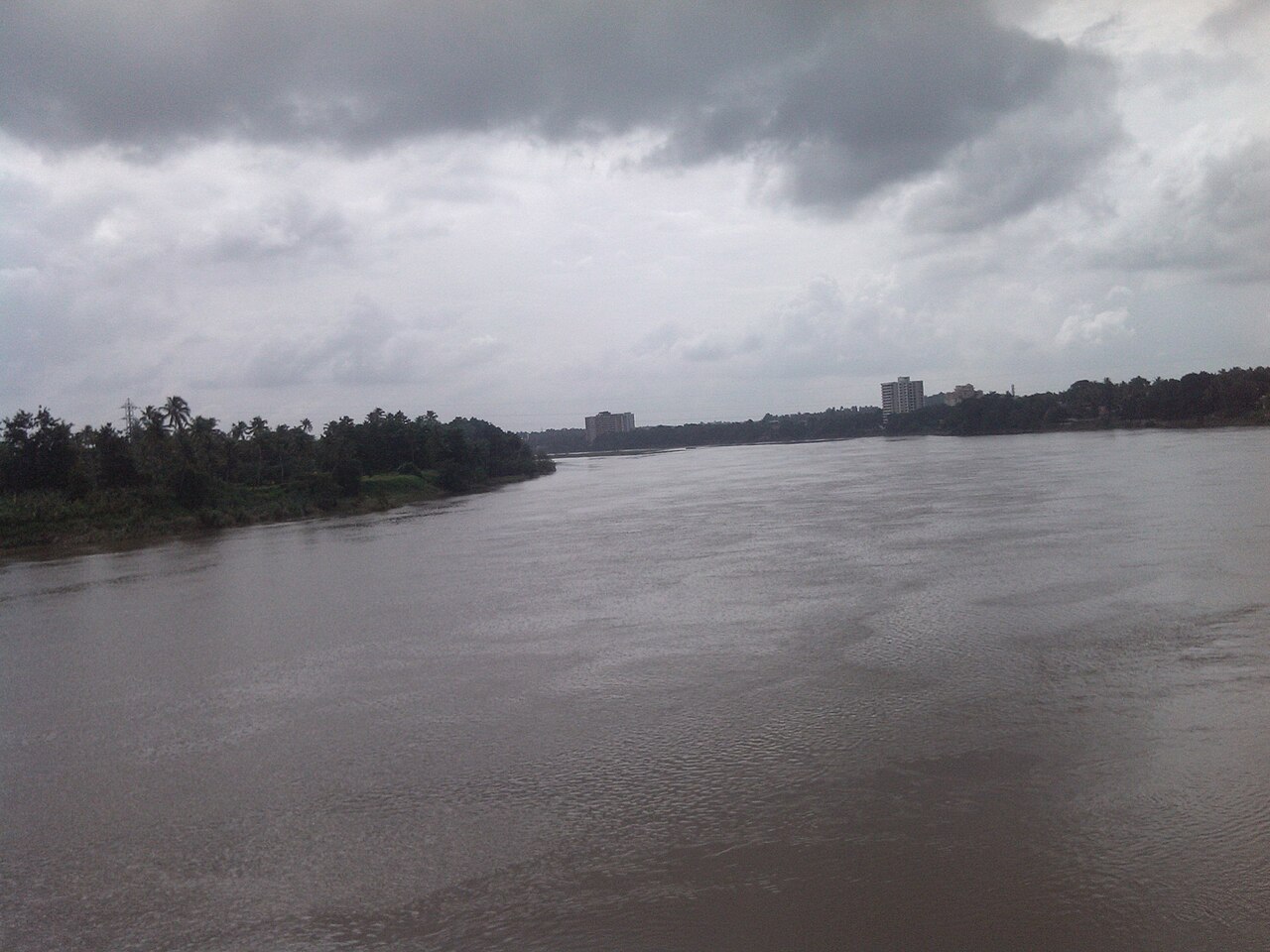
The Periyar does not flow in isolation; it links with waters. The neighbouring Chalakudy River originates high in the Anamalai region of Tamil Nadu, gathered from tributaries running through Parambikulam, Kuriyarkutti, Sholayar, Karapara, and Anakayam. Downstream from Peringalkuth, thick riparian vegetation spreads wider than ten metres across a stretch of ten and a half kilometres, creating dense emerald galleries of riverine canopy before cascading over the thunderous Athirappilly and Vazhachal waterfalls. These freshwater currents sustain a remarkable ecosystem, harbouring 98 recorded species of freshwater fish, 35 of which are completely endemic to the Western Ghats. Below the cataracts, the Chalakudy converges with the Periyar near the village of Elenthikara, combining their flows before the joint watercourse feeds out into the expansive Kottapuram lagoon and empties into the Arabian Sea at Azhekode.
Pizhala and Moolampilly: the backwater islands of the Periyar
The Periyar transforms into an archipelago of islands shaped by historic torrents. In the great floods of 1341, the river broke its historic boundaries and carved out Pizhala, an island encircled by river branches within the Kadamakkudy cluster alongside neighbouring river islands such as Kothad. The island's hydromorphic and acid-saline soils, laced with potential acid-sulphate sediments, forced islanders to invent resilient agricultural traditions tuned to seasonal hydrology. Life on Pizhala revolves around Pokkali farming, an ancient practice where salt-tolerant rice alternates with fish culture in fields bordering the backwaters, where salinity fluctuates drastically between 0 and 31 parts per thousand across the seasons. Surrounding the island, local farmers tend submerged fish cages measuring four metres wide, four metres long, and six metres deep.
Nearby lies the island of Moolampilly, encircled by the Periyar's currents, where early Portuguese settlers founded a Christian community whose cultural architecture still dots the village lanes. Moolampilly is equally renowned for its traditional artisans, who craft handmade earthen cooking pots and clay Tandoori ovens. This heritage of earth and water has been sustained collectively since 1962 through the Moolampilly Kaliman Clay Society, keeping pottery skills alive along the river margins.
Aluva Manappuram: royal palaces, sandbanks, and riverside forests
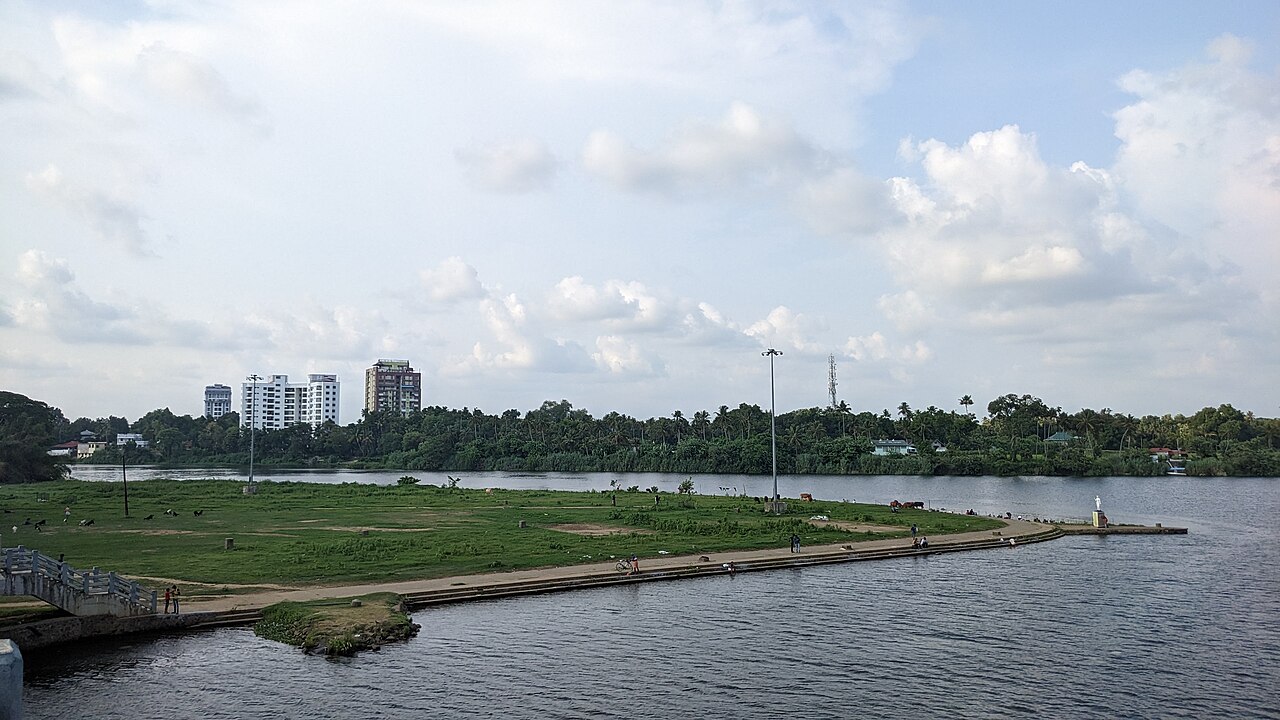
Right at the race venue in Aluva, the river's immediate shoreline carries an extraordinary cultural and natural landscape. The sandy riverfront, known locally as the Aluva Sand Banks or Manappuram, is famous across Kerala for sacred gatherings and festive offerings on the river sand. It is home to the Aluva Mahadeva Temple, where the presiding Shiva linga is placed directly on the exposed sandbanks of the Periyar rather than enclosed within a traditional shrine building, remaining exposed to the natural flow and seasonal rise of the river. Modern connectivity arrived with the historic Mangalapuzha Bridge, opened to traffic in 1960. Stretching 491 feet across the waterway, the bridge was an engineering marvel of its era, boasting a bow-string girder span of 166 feet and 9 inches that was the longest of its type at the time of construction.
Today, a pedestrian bridge also connects Kottarakadavu to the Manappuram sandbank, letting swimmers and visitors stroll directly across the wide river corridor. Along the riverbank stands the Aluva Palace, a historical summer retreat built for the royal family of Travancore with sweeping circular verandas over the Periyar. Right beside the palace, environmental groups and the forest department have cultivated a dense medicinal garden and shaded woodland, celebrated locally as Aluva's Oxygen Park. Winding paths through the trees offer swimmers a calm, shaded retreat right beside the water after conquering the river courses of the Kochi Swimathon.
Sources: Aluva Mahadeva Temple · Mangalapuzha bridge
Course
Awards
- Age group awards
Participation across age categories ranging from 7 years to 65 and above.
Previous editions
- 2026Apr 12, 2026
How to get there
Kochi Swimathon Ultra+
Frequently asked questions
- When is Kochi Swimathon Ultra+?
- Kochi Swimathon Ultra+ takes place on April 11, 2027.
- What distances does Kochi Swimathon Ultra+ offer?
- Kochi Swimathon Ultra+ offers 400 m, 1 km, 2 km, 4 km, 6 km, 10 km, 16.1 km, and 20 km.
- How much is the entry fee for Kochi Swimathon Ultra+?
- Entry fees by distance: 400 m: 1450 INR · 1 km: 2450 INR · 2 km: 2950 INR · 4 km: 3950 INR · 6 km: 4950 INR · 10 km: 5600 INR · 16.1 km: 6700 INR · 20 km: 7400 INR. Regular entry valid 01 Feb - 20 Mar 2026. Other tiers: Super Early Bird, Early Bird, Last Bus, Express. Group and winner discounts available. Mandatory swim assessment for non-certified: 1900 INR.
- Where does Kochi Swimathon Ultra+ take place?
- Kochi Swimathon Ultra+ is a river swim. Location: River Periyar, Aluva, Kochi, Kerala, India.
- How do I register for Kochi Swimathon Ultra+?
- The reference page for registering for Kochi Swimathon Ultra+ is https://www.tdksports.com/.
Where to stay
Kochi offers a range of stays, from heritage homestays in traditional Kerala-style houses to boutique hotels perched along the harbor. Near the Aluva riverside, you can find mid-range guesthouses and hotels, typically ranging from $30 to $120 per night. For those preferring the coastal atmosphere, the Ernakulam district provides everything from budget-friendly riverside lodges to upscale resorts with direct access to the backwaters, ensuring a comfortable base for your race weekend.
Things to do nearby
Post-swim, the region invites exploration of its complex water-based culture. Take a guided kayak tour through the mangrove tunnels of the backwaters, or visit the historic fort areas in Fort Kochi to view the iconic Chinese fishing nets. For those seeking cultural depth, the area is famous for Kathakali performances and spice plantation tours. If you prefer to stay active, the local cycling routes along the backwater embankments provide a scenic way to experience the geography that defines the Kochi region.
Swimmers
Similar races


Comments
Transparency: some links on this page (stays, flights, experiences, gear) are affiliate links — if you book or buy through them, Omniathlon may earn a commission from the partner at no extra cost to you. As an Amazon Associate we earn from qualifying purchases.