
Cliff to Bridge
- Feb 6, 2027
- Distance: 15km
At a glance
- Next edition date
- February 6, 2027
- Distances
- 15 km
- Where
- River · Derwent River, New Norfolk, Tasmania, Australia
- Entry fee
- 460 AUD
- Registration
- derwentriverbigswim.com
About the race
Beneath the sandstone cliffs of New Norfolk, the Derwent River runs amber, opening a silent 15-kilometre aquatic pathway through Tasmania. Cliff to Bridge is a point-to-point freshwater marathon swim held on the Derwent River in Tasmania, Australia. Starting from the riverbank in February, it offers swimmers an unhurried drift through a dramatic river corridor far removed from coastal ocean swells. Swimmers gather on the New Norfolk esplanade, stepping into the freshwater right beneath the soaring sandstone cliffs that frame the upper course. From this sheltered bank, the course stretches 15 kilometres downstream, threading between misty morning valleys, native bushland, and quiet pastures. Organised by Val Kalmikovs through iswimhappy, the event welcomes long-distance specialists aged 14 years and over who are drawn to continuous river endurance.
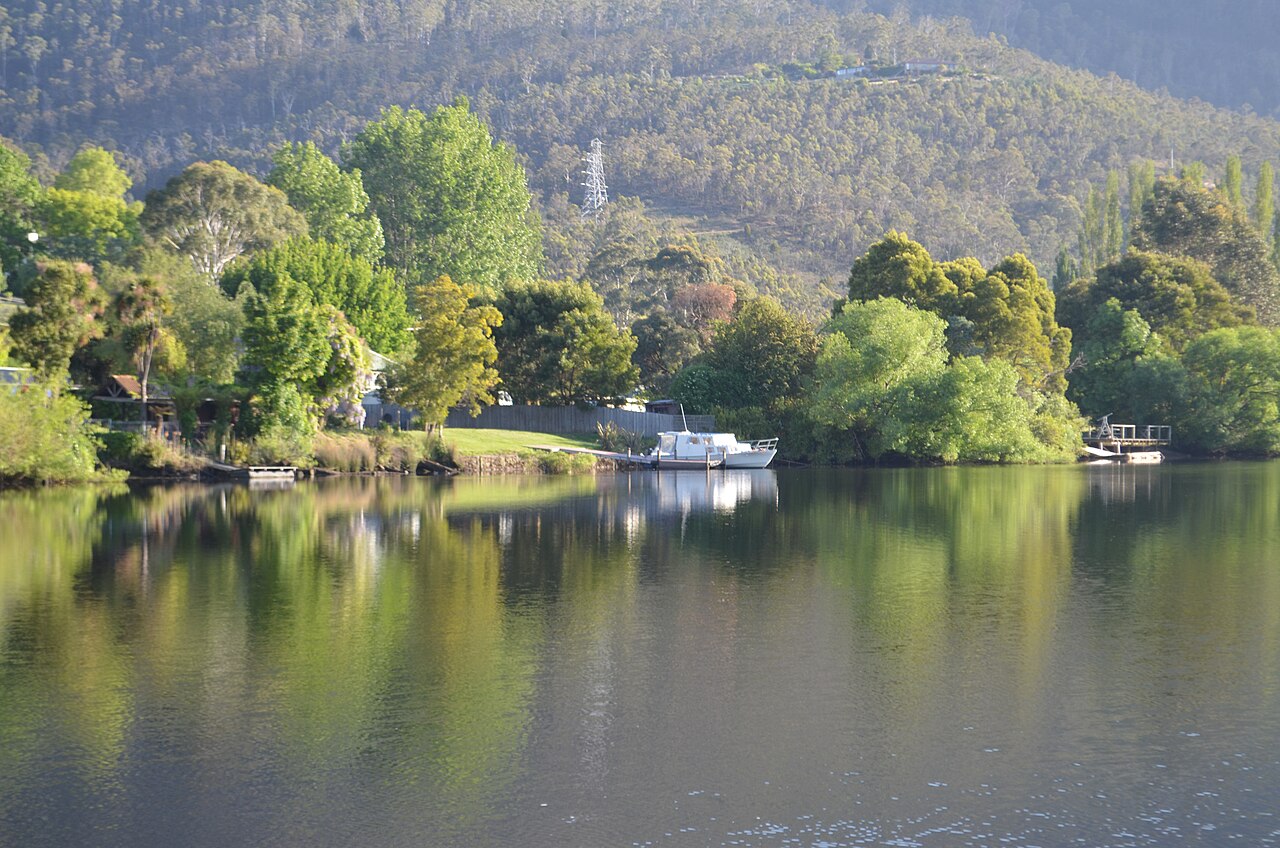
The swim is celebrated as a deeply meditative, solitary experience where you leave behind jostling start lines and tune entirely into your personal rhythm with the current. Rather than battling turbulent tides, your stroke finds steady cadence within the quiet flow of the river as the winding valley unfolds overhead. Reaching the finish line near the Bridgewater Bridge brings an overwhelming sensation of calm satisfaction, relief, and earned pride as you step back onto dry land after hours of steady river work.
Cliff to Bridge: water temperature, cut-off and the series
Cliff to Bridge expects a water temperature of around 19°C (66 °F), according to the organiser's event page. The cut-off time for the 15 km Cliff to Bridge swim is 6 hours. The Cliff to Bridge course ends at the boat ramp under the Bridgewater Bridge. Cliff to Bridge swimmers may swim in groups of up to 4-5 and be supported by one vessel per group. Cliff to Bridge gives no place awards: times and categories are recorded and celebrated with a finisher medal and a small gift. The 2028 swim, on 29 January 2028, is already announced as Cliff to Bridge round 6.
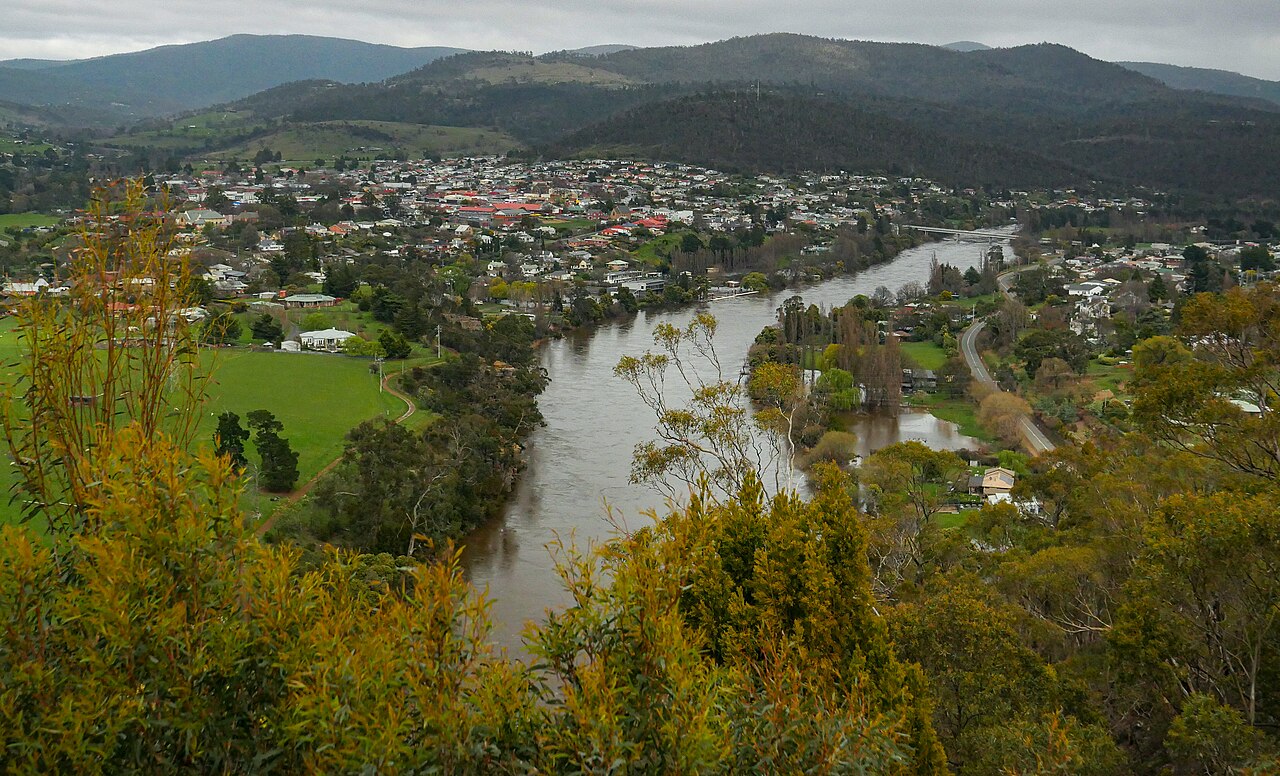
Amber currents and mountain forests of the Derwent Valley
Looking into the water from the surface, the Derwent reveals a striking tea-like hue, stained amber by the natural tannins washed down from surrounding native bush and wild valleys.
Aboriginal shell middens and river crossings along the Derwent
Long before modern swimmers navigated this course, the riverbanks were home to Tasmanian Aboriginal communities who lived intimately alongside the water. Their enduring presence remains visible along the banks in the middens scattered above the waterlines. Gliding past these quiet shores connects you directly to deep layers of indigenous water history. European explorers soon struggled to master the same waterway, beginning in 1793 when John Hayes sailed into the River Derwent. Hayes found the channel progressively shoaling as he moved inland, ultimately forcing his crew into small rowing boats to reach a landing point upstream of modern New Norfolk. Over the following centuries, colonial settlers engineered new ways to navigate and span the waterway, beginning when assistant surveyor William Sharland erected the first wooden bridge near the heritage-listed Woodbridge estate.
For decades, industrial life followed the water too, with the Australian Newsprint Mills operating cargo barges along the Derwent to Hobart until 1984. The river’s working crossings reached a new era with the 2025 completion of the Bridgewater Bridge, whose 16-metre navigation clearance has restored through-river traffic all the way to New Norfolk for the first time in 170 years, framing the race’s dramatic finish.
New Norfolk foreshore: she-oaks, historic hatcheries and wide reaches
Around the starting town of New Norfolk, the shores invite quiet exploration once the marathon distance is done. Along parts of the lower foreshore, remnant stands of the dense she-oak forests that greeted the earliest settlers still shade the water’s edge with needle-like foliage. Walking beneath these native casuarinas provides a peaceful look at the river corridor’s original shoreline vegetation before colonial clearing reshaped the valley. Just off the main stream, the Lachlan River branches south from the Derwent, skirting the historic Willow Court precinct. Here you can visit the Salmon Ponds, established in 1861, which stands as the oldest operating trout hatchery anywhere in the Southern Hemisphere. Further downstream from the finish, the Derwent widens dramatically, eventually spanning nearly three kilometres across to become the widest river in all of Tasmania.
Today, these vast reaches and the protected waters around New Norfolk are a haven for boating and recreational angling. Floating quietly along its amber surface, Cliff to Bridge gives swimmers a rare, unbroken route straight through the heart of this majestic valley.
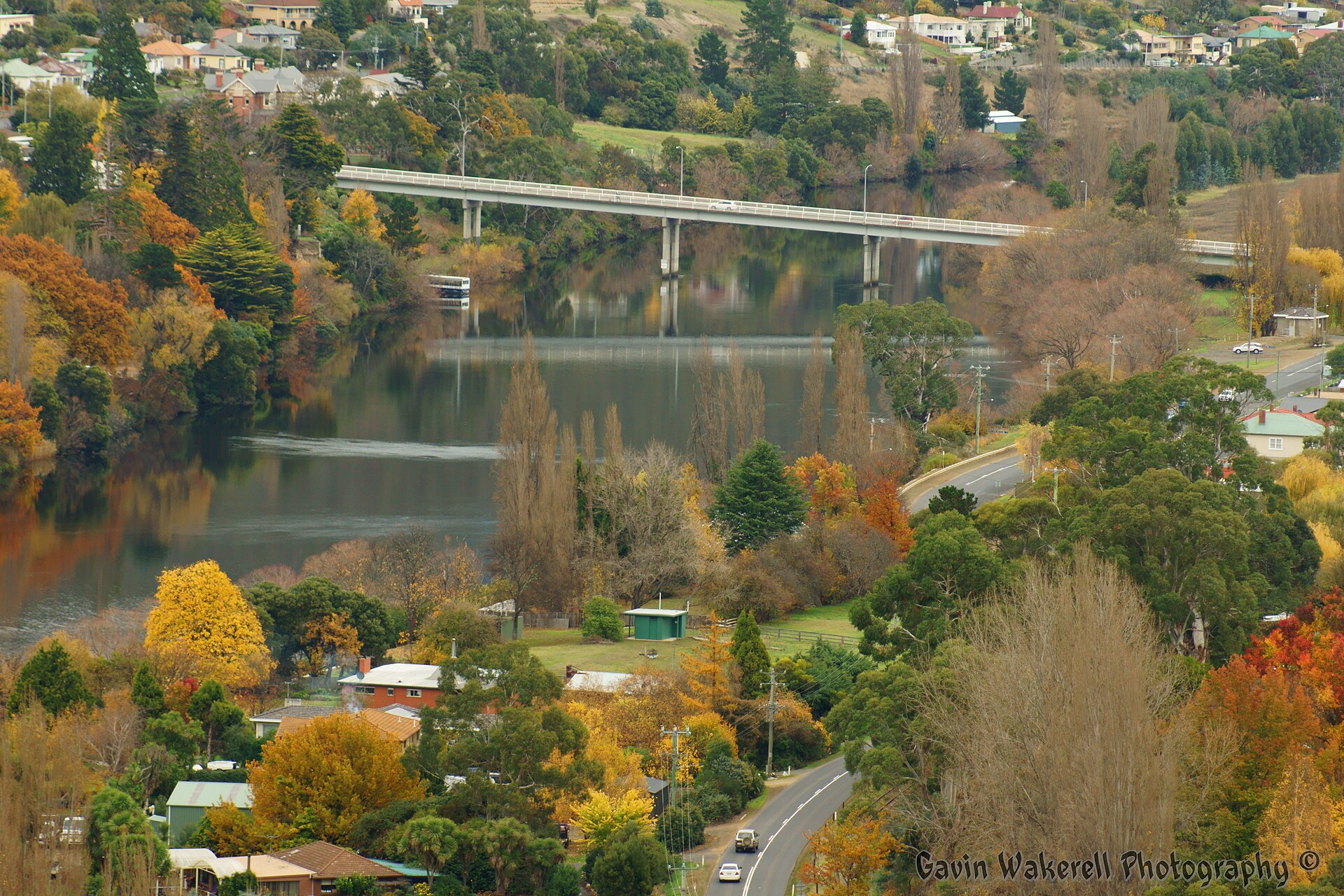
Sources: New Norfolk · Boyer Mill
Course
Start at New Norfolk esplanade, finish at the Bridgewater Bridge (800m up the river on the Bridgewater side).
Aid stations
Various safety points are provided along the way.
How to get there
Cliff to Bridge
Frequently asked questions
- When is Cliff to Bridge?
- Cliff to Bridge takes place on February 6, 2027.
- What distances does Cliff to Bridge offer?
- Cliff to Bridge has a single distance: 15 km.
- How much is the entry fee for Cliff to Bridge?
- The entry fee is 460 AUD.
- Where does Cliff to Bridge take place?
- Cliff to Bridge is a river swim. Location: Derwent River, New Norfolk, Tasmania, Australia.
- How do I register for Cliff to Bridge?
- The reference page for registering for Cliff to Bridge is https://www.derwentriverbigswim.com/swims/cliff-to-bridge---15km.
Where to stay
New Norfolk offers a range of stays, from converted colonial cottages and local riverside guesthouses to standard motels near the town center. Many visitors prefer the historic inns that date back to the mid-19th century. Expect to pay between $120 and $220 per night depending on the proximity to the river banks and the level of heritage restoration provided by the property.
Things to do nearby
The Derwent Valley is defined by its agricultural heritage and river access. You can spend the weekend visiting local hop kilns and cool-climate wineries, or explore the river via kayak to better understand the currents encountered during the swim. The area also offers extensive bushwalking trails leading into the nearby mountain ranges, providing a different perspective on the topography that feeds the river basin.
Swimmers
Similar races


Comments
Transparency: some links on this page (stays, flights, experiences, gear) are affiliate links — if you book or buy through them, Omniathlon may earn a commission from the partner at no extra cost to you. As an Amazon Associate we earn from qualifying purchases.