
GlommaDyppen
- Aug 7, 2027
- Distances from 2km to 11km
At a glance
- Next edition date
- August 7, 2027
- Distances
- 2 km · 6 km · 11 km
- Where
- River · Glomma River, Fetsund, Viken, Norway
- Entry fee
- 2 km: 650 NOK · 6 km: 750 NOK · 11 km: 750 NOK
- Wetsuit
- Water temperatures in the Glomma River can fluctuate significantly, dropping from 17-18°C (63-64 °F) to around 10°C (50 °F) within a few days.
- Registration
- glommadyppen.no
About the race
GlommaDyppen is an open water swimming race held in the Glomma River at Fetsund, in the Viken region of Norway. Swimmers enter the river from the sandy river beach at Bingensfosstranda and follow the moving water all the way to the preserved floating timber booms of Fetsund Lenser, choosing between 2 km, 6 km, and 11 km distances. Being swept along by the gentle pull of a massive river gives the swim an exhilarating sense of speed and momentum. The competition took shape in 2015 following discussions among a group of local triathletes after a regional event, holding its inaugural edition the following year. In that first running, sixteen participants swam down the river, divided between the 11 km Fløter’n and the 2 km Loffer’n courses.
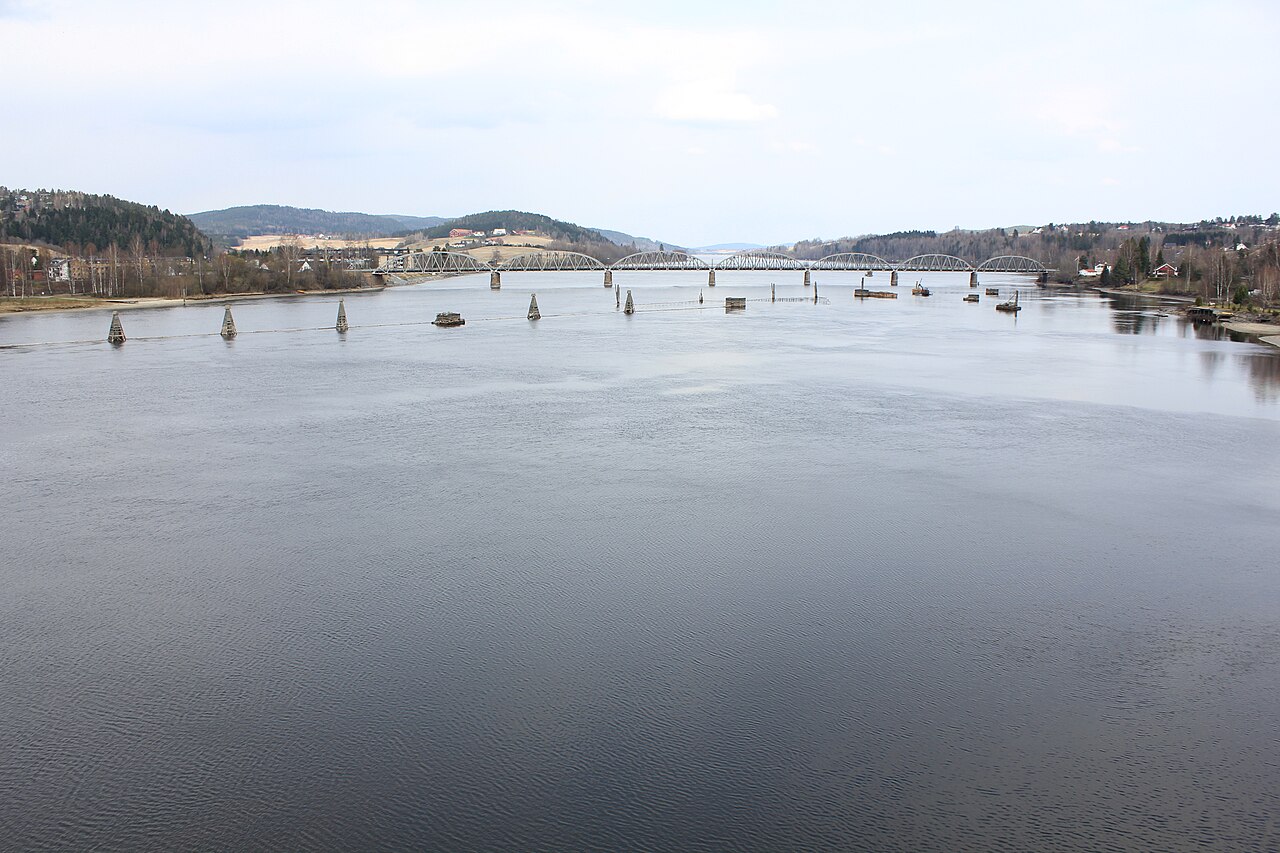
The race celebrates the local legacy of Sigurd Berg Pedersen and Karl Aaserud, veteran timber floaters at Fetsund Lenser renowned among their peers for their fearless diving and swimming skills in the powerful river eddies. Today, the race has grown into an internationally recognized event as part of the Marathon River Swim Series, which links it with renowned long-distance river swims such as Le Flow des Gabarriers in France and UltraEbre Swim Marathon in Spain. In addition, times achieved on the river collaborate with the Swedish classic Vansbrosimningen, serving as official seeding qualifiers for its 3 km event. River readings in the Glomma can plunge rapidly from 17 or 18 degrees down to around 10 degrees within just a few days.
However, the initial cold shock response is driven by skin cooling and typically subsides within five minutes as the body settles. In a past edition when unseasonably cold river temperatures created safety concerns, the race was relocated to Lake Heiavannet.
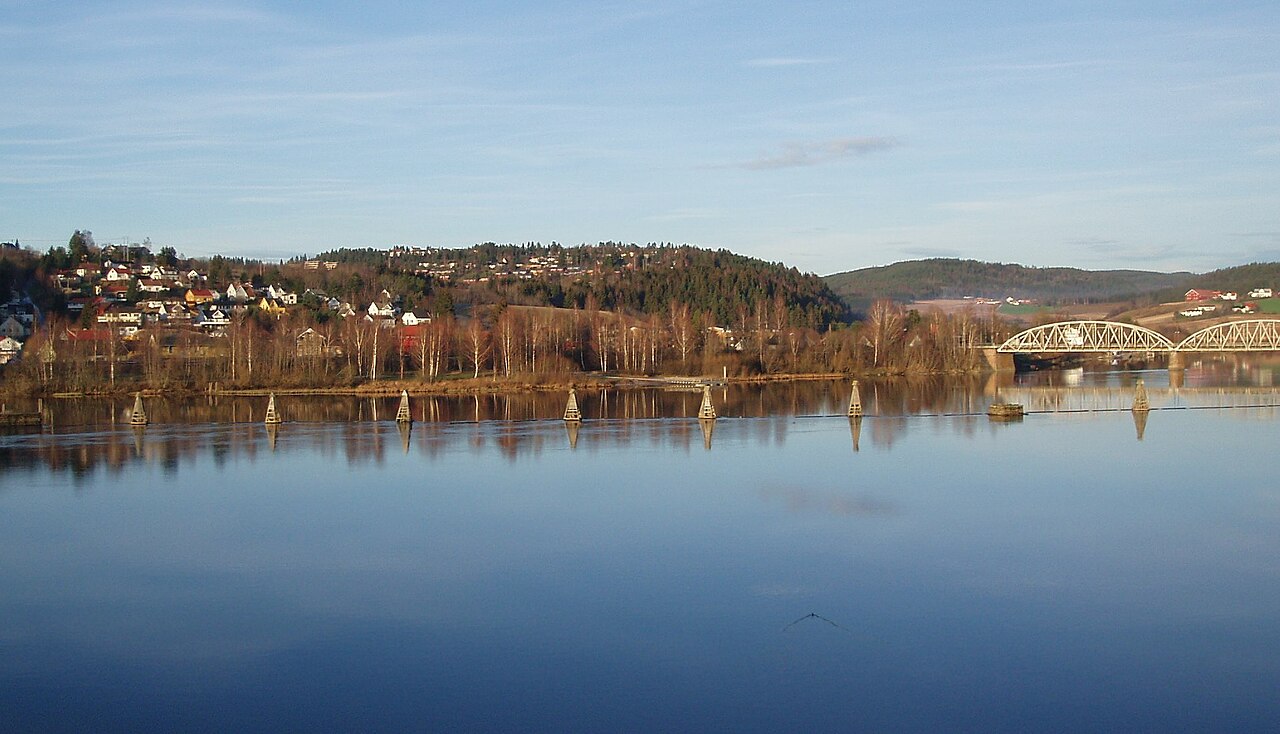
Raumelfr: the thunder river carving out Norway's inland delta
The Glomma is the largest river in Norway, from Lake Aursunden in Røros Municipality before reaching the Oslofjord at Fredrikstad. At Fetsund, the river passes through a narrow strait. The river rushes over Bingsfossen, a natural waterfall with a vertical drop of four meters, where a hydroelectric plant and regulating dam gates were erected in 1978. After clearing the strait at Fetsund, the river broadens into Northern Europe's largest inland delta as it empties into Lake Øyeren.
Nordre Øyeren nature reserve: the wandering delta island of Fautøya
About four kilometres from the race area lies Fautøya, a delta island situated where the main channel of the Glomma merges with the incoming flow of the Nitelva river. Historical records reveal how dynamic this alluvial landscape has always been under the force of seasonal currents. In 1775, Fautøya was divided into two distinct landmasses situated one kilometre farther to the northeast, but the catastrophic Stor-ofsen flood of 1789 shoved the entire island 500 meters southwest, until by 1868 it had fused into a single unified island. The Nitelva itself journeys for roughly 37 kilometers with an overall elevation drop of about 30 meters before creating an inland delta at the northern rim of Lake Øyeren.
In past centuries the Nitelva served multiple industries, used for cutting winter ice, floating timber, and powering local mills and sawmills. Up to the Rotnesfossen waterfall, biologists have catalogued 21 freshwater fish species in its watercourse, with northern pike, zander, perch, and cyprinids common throughout, alongside trout in its northern reaches. Along its forested banks, wildlife flourishes, including active beaver colonies, grey herons, and roe deer.
Fetsund Lenser: centuries of log drivers on the Glomma
Because it traverses vast woodland regions, the Glomma functioned for generations floating logs downstream toward commercial steam sawmills. The settlement of Fetsund grew precisely along this stretch because the river provided the shortest crossing point for ferry boats. Water energy was harnessed all along the surrounding tributaries, such as at Warå Mølle kraftverk, located about one kilometre from the race area, which harnessed a 20-meter head from a stream flowing out of Heiavannet. A sawmill operated at that site from around 1600 until 1918, run by a traditional water wheel until 1939 when a turbine was installed to produce electricity, later joined in 1999 by a modern mini power station.
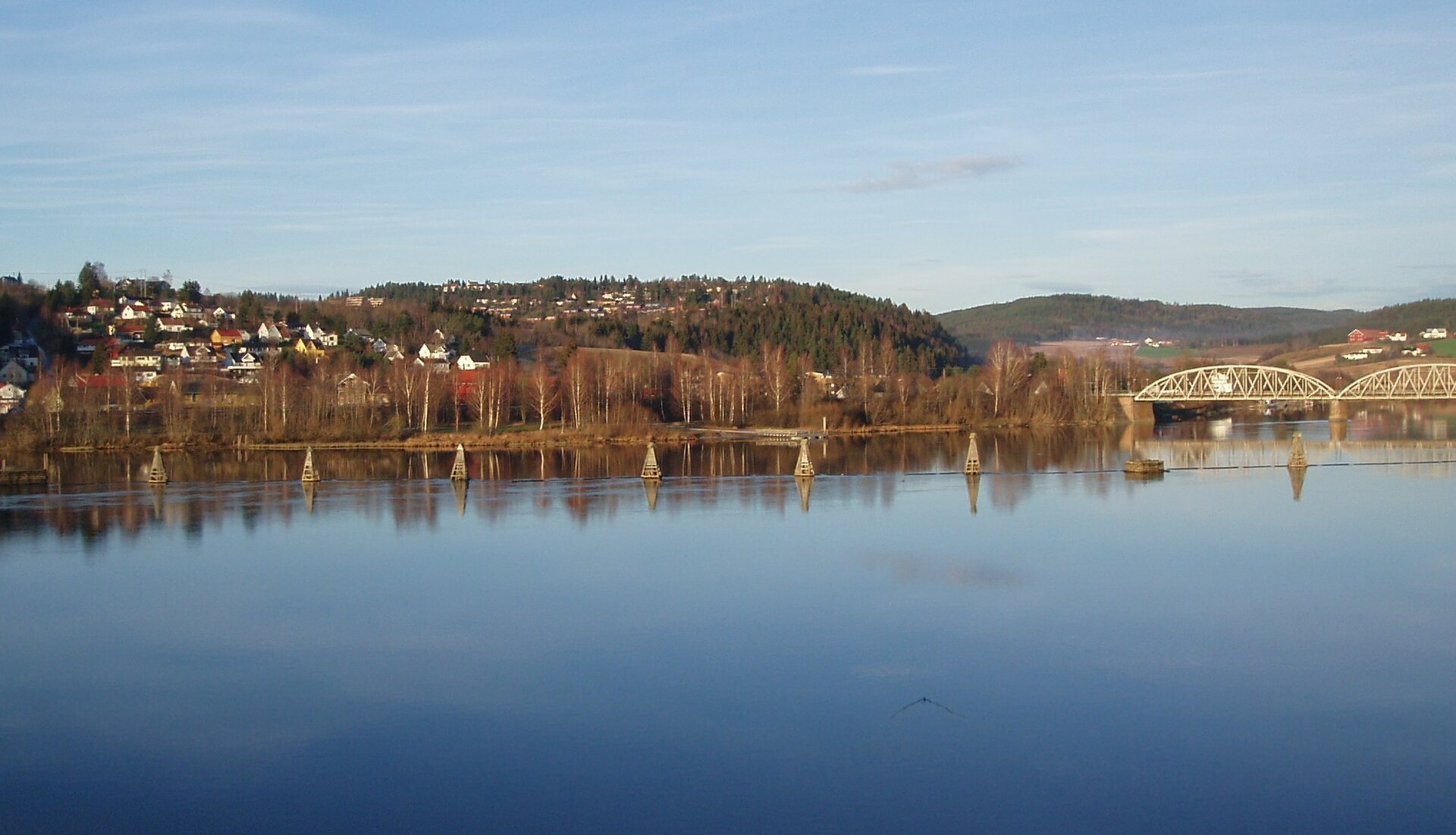
Further down, about seven kilometres from the race venue, the Nordby Bruks power station at Nes on Lake Øyeren tapped a 90-meter drop from the Myrdammen reservoir. Swimmers conclude their race right in the heart of Fetsund Lenser, an authentic floating timber-sorting facility that has been preserved as a national cultural monument and living museum. The installation features a floating sorting boom extending for 2.5 kilometers out in the current, accompanied on the riverbank by twenty-five historical wooden buildings where timber floaters once lived and worked.
Bryggekaféen and the river trails along the Fetsund waterfront
After finishing the swim, athletes and spectators gather directly along the water at Bryggekaféen, situated right on the pier. The café features an expansive outdoor seating deck that looks out across the wide current of the river. Here visitors can warm up with traditional Norwegian fare, including hot meat stew served with crusty flatbread, local pike fish cakes, and freshly made waffles. Standing on the riverbank is a seven-meter-high stone flood pillar, inscribed to record the peak water heights reached during historic catastrophic floods along the Glomma.
Sources: Fetsund
Course
River swim in the Glomma, with varying water temperatures and currents.
Previous editions
Useful info
The race takes place in the Glomma River. Water temperatures can fluctuate rapidly (from 10°C to 18°C). The 6km times serve as a seeding for the 3km Vansbrosimmet. It is recommended to monitor the website for updates regarding wetsuit and safety requirements.
How to get there
GlommaDyppen
Frequently asked questions
- When is GlommaDyppen?
- GlommaDyppen takes place on August 7, 2027.
- What distances does GlommaDyppen offer?
- GlommaDyppen offers 2 km, 6 km, and 11 km.
- How much is the entry fee for GlommaDyppen?
- Entry fees by distance: 2 km: 650 NOK · 6 km: 750 NOK · 11 km: 750 NOK.
- Is a wetsuit required at GlommaDyppen?
- Water temperatures in the Glomma River can fluctuate significantly, dropping from 17-18°C (63-64 °F) to around 10°C (50 °F) within a few days.
- Where does GlommaDyppen take place?
- GlommaDyppen is a river swim. Location: Glomma River, Fetsund, Viken, Norway.
- How do I register for GlommaDyppen?
- The reference page for registering for GlommaDyppen is https://www.glommadyppen.no/en/.
Where to stay
Fetsund and the surrounding Lillestrøm municipality offer a mix of traditional Norwegian lakeside lodges and modern apartment rentals. You will find cozy, family-run guesthouses near the riverbanks that reflect the local heritage, alongside contemporary hotels in the nearby town center. For those who prefer a closer connection to the landscape, camping options are available on the shores of Lake Øyeren. Expect to pay between 1,200 and 2,200 NOK per night for a double room in this region during the summer season.
Things to do nearby
The weekend of the race is an ideal time to explore the river delta by kayak or SUP, providing a different perspective on the waterway you have just competed in. History enthusiasts can visit the local timber-floating museum, which documents the life of the river workers who once defined the area. Additionally, the surrounding woodlands offer extensive trekking trails that lead to Iron Age burial sites, while the nearby town of Lillestrøm hosts various artisanal food markets featuring regional Norwegian delicacies.
Swimmers
Other stages of this series
- Le Flow des GabarriersCognac, FR
- UltraEbre Swim MarathonTortosa, ES
- Marathon River Swim SeriesEU
Similar races


Comments
Transparency: some links on this page (stays, flights, experiences, gear) are affiliate links — if you book or buy through them, Omniathlon may earn a commission from the partner at no extra cost to you. As an Amazon Associate we earn from qualifying purchases.