
Narrabeen Beach Challenge
- Nov 1, 2026
- Last edition date
- Distances from 300m to 1.8km
At a glance
- Last edition date
- November 1, 2026
- Distances
- 300 m · 800 m · 1.8 km
- Where
- Sea · Narrabeen Beach, Narrabeen, New South Wales, Australia
About the race
Early November brings mild spring conditions. The Narrabeen Beach Challenge is an open water swimming race held in the sea at Narrabeen Beach in New South Wales, Australia. Organized as a low-key, local community event, the race serves to kick off the Sydney ocean swimming season each spring. Early November typically brings pleasant air temperatures in the mid-twenties alongside refreshing ocean water. Narrabeen Beach is a wide-open stretch of coast characterized by shifting sandbanks, deep gutters, and occasional rips that create an exciting and challenging open water swimming arena. Navigating these shifting currents requires swimmers to read the surf dynamic as they punch through the breakers, while the vigilant club patrols keep the course secure from start to finish.
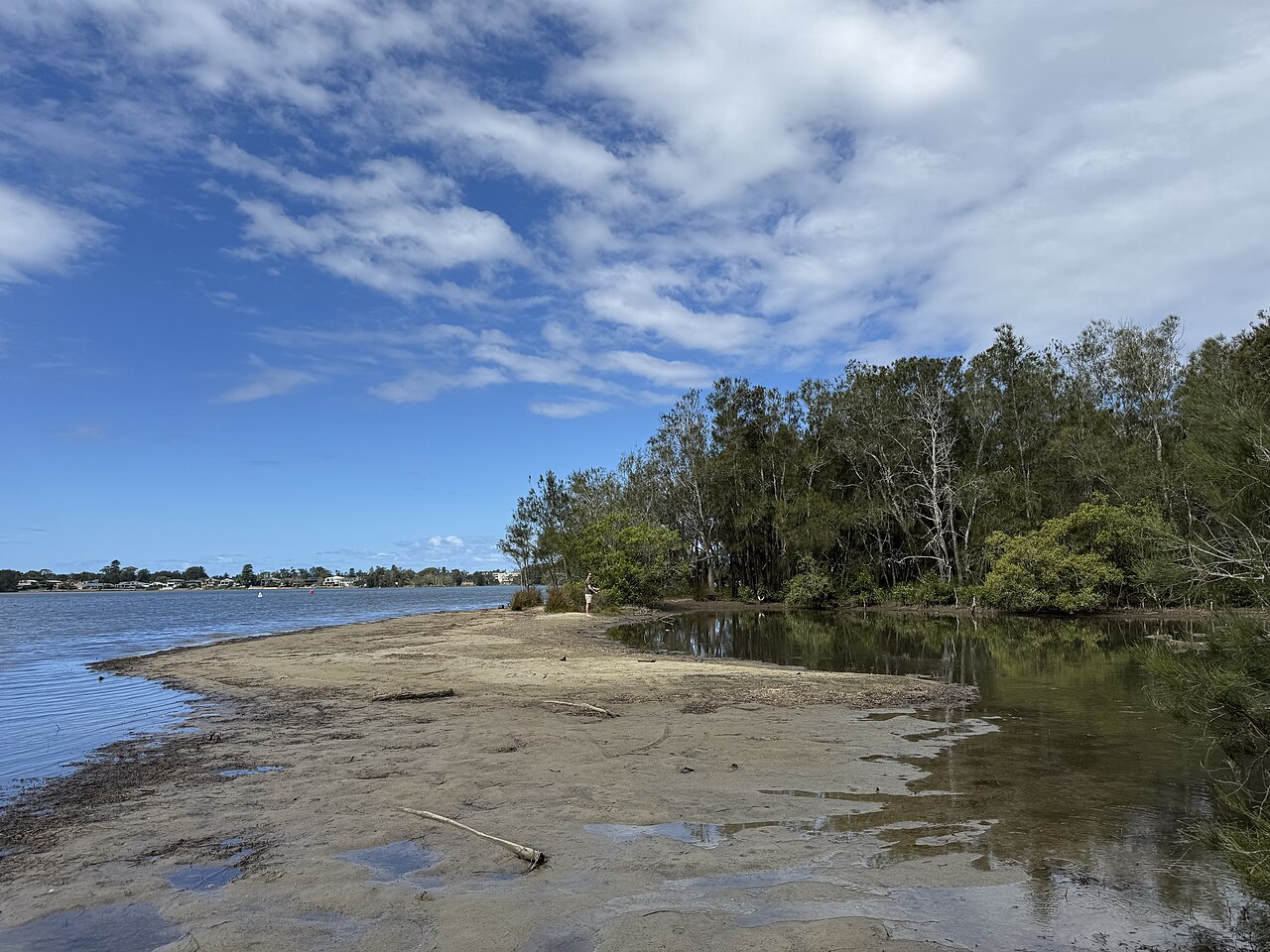
Three separate courses provide an entry point for every age and skill level. The introductory 300-metre course is a non-competitive swim designed for under-10 nippers and junior swimmers aged nine and older that heads straight out through the surf and returns directly to the sand. For emerging open water swimmers aged twelve and older, an 800-metre offshore loop takes competitors just beyond the main impact zone to build confidence in the rolling ocean swells. The main 1.8-kilometre challenge follows a route shaped like a classic Marie Antoinette champagne glass, creating an elegant, wide seaward arc where swimmers can spread out and establish an uninterrupted stroke rhythm before heading back toward the beach.
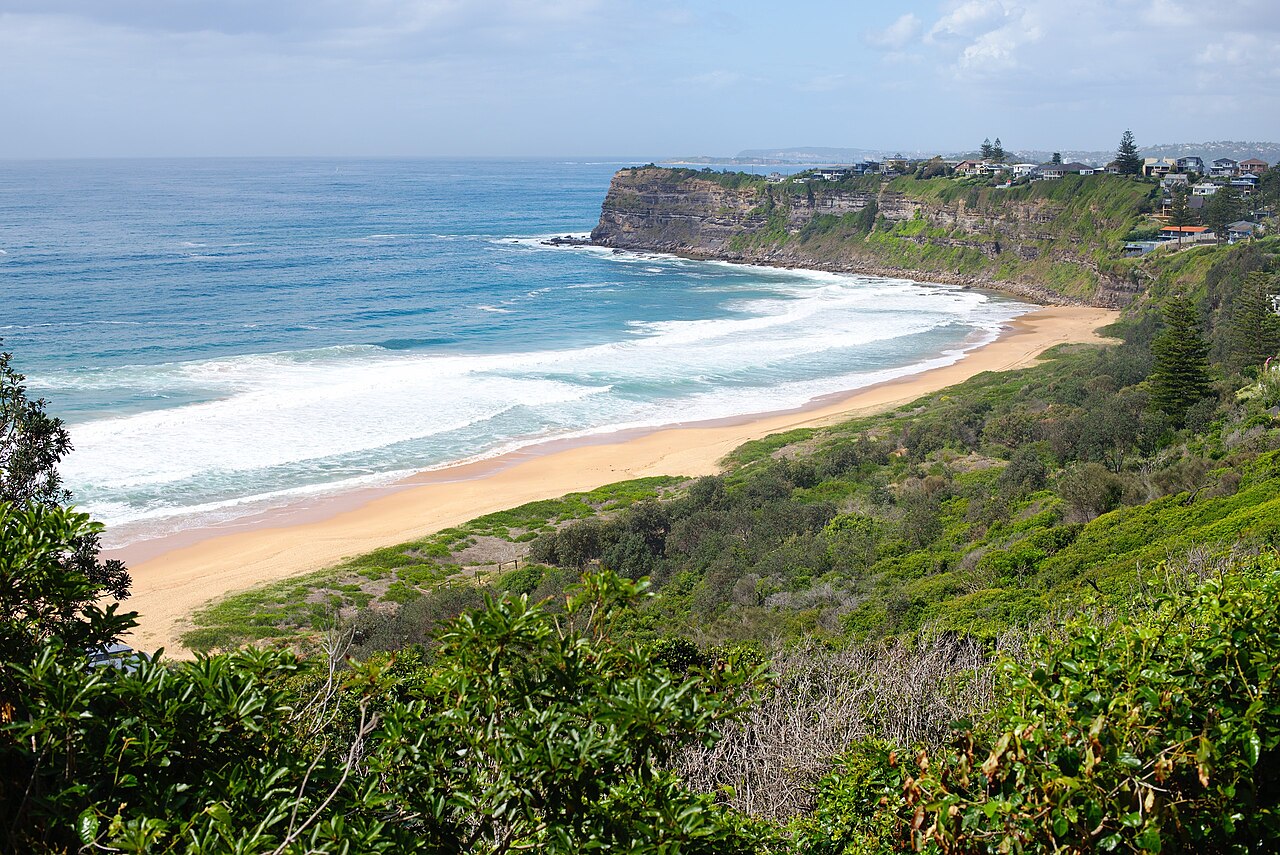
Along the coast nearby, Turimetta Beach stretches for 350 metres, backed by steep coastal bluffs. Swimming there is hazardous because rips regularly form at both ends and through the centre, and the beach is not patrolled by lifeguards. While anglers frequently head to the rocky ledges for rock fishing, ocean swimmers at Narrabeen enjoy the security of dedicated surf lifesavers watching over the course.
Narrabeen Beach Challenge: past editions and the beach breaks
In 2015 the Narrabeen Beach Challenge was in its sixth year. The 2015 Narrabeen Beach Challenge was held on Saturday 31 October as the first event of that season's Sydney Ocean Swim Series. In 2015 each Narrabeen swim aimed to offer two beach break negotiations, one out and one back. The 2022 Narrabeen Beach Challenge took place on Sunday 6 November 2022 as the first Sydney event of the ocean swimming season.
Long Reef: underwater walls, steamer wrecks, and Triassic fossils
At Long Reef, the coastal geology plunges into the sea with a 200-metre-long underwater structure known to scuba divers as 'the wall', while small freshwater springs seep from perched water tables on the cliffs above. The geological foundations here reach deep into prehistory: in 1986, fossil collectors discovered the petrified mandible of a giant Triassic amphibian named Bulgosuchus gargantua preserved within the rock strata. Human ventures have also left their mark on the headland. During the 1880s, a copper mine operated on the headland following the drilling of a tunnel driven into the southern cliff face. Offshore, the shallow reef has caught numerous vessels over the years, with the Australian National Shipwreck Database recording twenty-five shipwrecks and scuttlings associated with the reef.
Among the best known of these underwater wrecks is the cargo steamer Myola, which sank in 1919 and now rests on its port side in forty-eight metres of water. Further along the shoreline, Manly Beach is divided into three main sections: Queenscliff, North Steyne, and South Steyne. Lifeguards provide year-round service at South Steyne, while council lifeguards operate at North Steyne and Queenscliff from October to April, alongside weekend and public holiday patrols run by the Manly Life Saving Club between October and May. The Corso connects the harbour beach across to the surf of Manly Beach, where a scenic walking path along the oceanway leads within walking distance to Fairy Bower and Shelly Beach.
Fairy Bower sits in close proximity to Shelly Beach and North Head, the imposing headland that forms the northern side of the entrance to Port Jackson. Reaching a maximum elevation of 115 metres, the headland is a remnant of the Hornsby Plateau featuring towering sandstone cliffs and elevated sand dunes. Aboriginal occupation is recorded here through middens, rock art, and ancient burial sites, while later fortifications include North Fort, established in 1936 as a coastal defense installation featuring 9.2-inch guns and an extensive underground tunnel system. Today, the headland preserves a critically endangered ecological community known as Eastern Suburbs Banksia Scrub and supports the only mainland breeding colony of little penguins in New South Wales.
Scotland Island: Aboriginal middens, caves, and flooded valleys
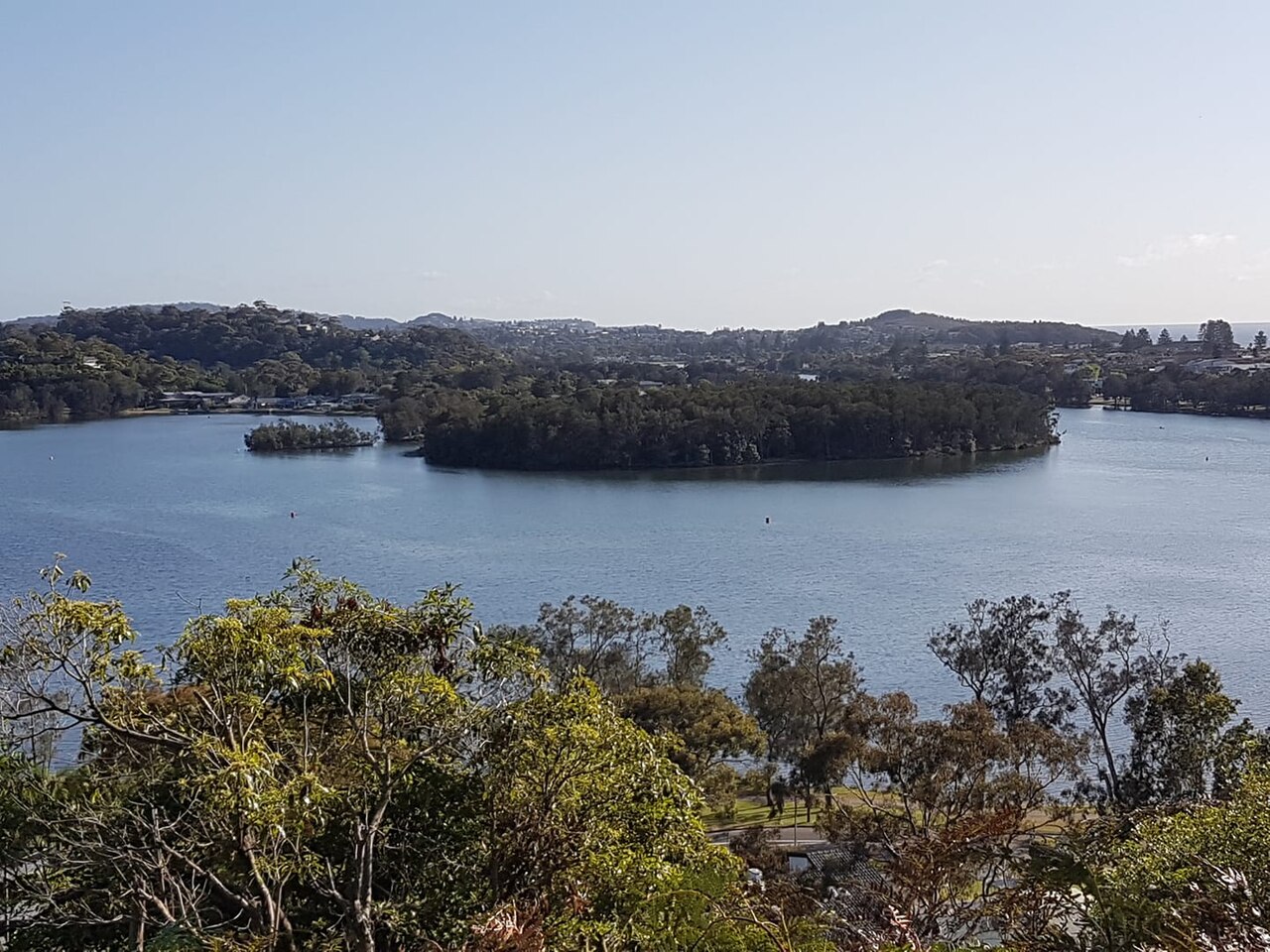
Estuarine waters reveal another dimension of the coastal environment at Scotland Island, which was formed 18,000 years ago when rising sea levels after the last ice age flooded a river valley. Aboriginal middens on Scotland Island date back 3,500 years. In colonial times, Andrew Thompson established a commercial salt works on the island in the early nineteenth century, and salt was later extracted from seawater near Tennis Court Wharf around 1900 at a rate of 90 kilograms per week. Across the peninsula, Bilgola Beach sits on the Tasman Sea side of the Barrenjoey Peninsula, taking its name from an Aboriginal term meaning swirling waters. The coastal valley is shaded by native cabbage palms, with the land rising steeply behind the sand toward the Bilgola Plateau.
Slightly further along the coast, Avalon Beach is recognized for its orange sand caused by high iron oxide content, framed by steep Hawkesbury sandstone headlands. St Michael's Cave was hollowed out by marine erosion carving through a volcanic dyke and surrounding soft rocks. Nearby once stood St Michael's Arch, a 12-metre-tall natural sea arch that long served as a landmark for coastal vessels until its roof collapsed during a severe gale in May 1867, followed by the collapse of the remaining sea stack into a low stump under wave action in 1959.
Narrabeen Beach and Lagoon: rockpools, surf breaks, and trails
Back at the race venue, Narrabeen Beach extends as a 3.6-kilometre arc of golden sand divided into four distinct beach areas, each marked by its own local surf lifesaving club. The northern end at North Narrabeen is designated as a National Surfing Reserve, revered for its consistent, high-quality surf breaks and its pivotal place in Australian surfing culture. After crossing the timing finish on the sand, swimmers gather to unwind in the ocean rockpools or cross over to the cafes along Ocean Street for breakfast. Sitting outdoors with the sound of the surf in the background is the traditional way competitors review their splits and trade stories about the morning's swim.
Those spending a few days exploring the area can walk or run the Narrabeen Lagoon Trail, an 8.4-kilometre circuit around the lagoon that offers picturesque water views and prime wildlife spotting opportunities. Early risers heading down before race briefing can follow the coastal walking path to the cliff edge, watching the morning sunrise climb over the vast sea before diving into the surf.
Sources: Long Reef (New South Wales)
Course
Straight out and back.
A cruisy loop off the beach.
A longer circuit shaped like a ‘Marie Antoinette’ champagne glass, wide and elegant.
Awards
Wetsuits are fine to wear, keep in mind they’re not eligible for prizes or age group placings on the day. Swim aids such as fins and snorkels are welcome. You’ll still be timed, but not eligible for prizes or age group placings.
Aid stations
Water safety on boards and IRBs throughout the course.
How to get there
Parking available along the beachfront and in nearby side streets. Public transport available via bus from the city or the Northern Beaches. Beach path available for cyclists.
Narrabeen Beach Challenge
Frequently asked questions
- When was the last edition of Narrabeen Beach Challenge?
- The last edition of Narrabeen Beach Challenge took place on November 1, 2026.
- What distances does Narrabeen Beach Challenge offer?
- Narrabeen Beach Challenge offers 300 m, 800 m, and 1.8 km.
- Where does Narrabeen Beach Challenge take place?
- Narrabeen Beach Challenge is a sea swim. Location: Narrabeen Beach, Narrabeen, New South Wales, Australia.
Where to stay
Narrabeen offers a mix of modest beachside apartments and surf-style holiday homes, often preferred by families participating in the event. Expect to find classic motel-style stays and a few boutique options near the harbor entrance. During the November season, nightly rates for standard double occupancy generally range from $180 to $350 AUD, depending on proximity to the sand. Booking early is advised as the coastal location remains a popular destination for regional weekend visitors.
Things to do nearby
The Northern Beaches region is anchored by its coastal geography. Visitors often spend the weekend exploring the rock pools at the base of the cliffs or taking coastal hikes toward Long Reef to observe the unique grassland ecosystems. For those looking to stay active, kayak and SUP rentals are common in the nearby Narrabeen Lagoon. The area also hosts a selection of local cafes and small-batch roasters that define the morning routine of the Sydney surf community.
Swimmers
Similar races


Comments
Transparency: some links on this page (stays, flights, experiences, gear) are affiliate links — if you book or buy through them, Omniathlon may earn a commission from the partner at no extra cost to you. As an Amazon Associate we earn from qualifying purchases.