
Bilgola 'Billy' Swim
- Jan 10, 2027
- Distances: 500m and 1.5km
At a glance
- Next edition date
- January 10, 2027
- Distances
- 500 m · 1.5 km
- Where
- Sea · Bilgola Beach, Bilgola, New South Wales, Australia
- Entry fee
- 45 AUD
- Registration
- bilgolaslsc.org.au
About the race
Framed by steep headlands that deflect the prevailing ocean winds, Bilgola Beach opens onto a clear pocket of the Tasman Sea along the Barrenjoey Peninsula. Held each January at Bilgola Beach in New South Wales, the Bilgola 'Billy' Swim is an open water swimming race in the sea organized as part of the Pittwater Ocean Swim Series. Swimmers can easily pair the outing with the neighbouring Newport Pool To Peak, staged just seven days earlier. The morning program begins with a 500-metre course designed for swimmers aged 13 and older. This shorter contest follows a single-lap circuit laid out right along the inshore zone, hugging the sand inside the main wave line.
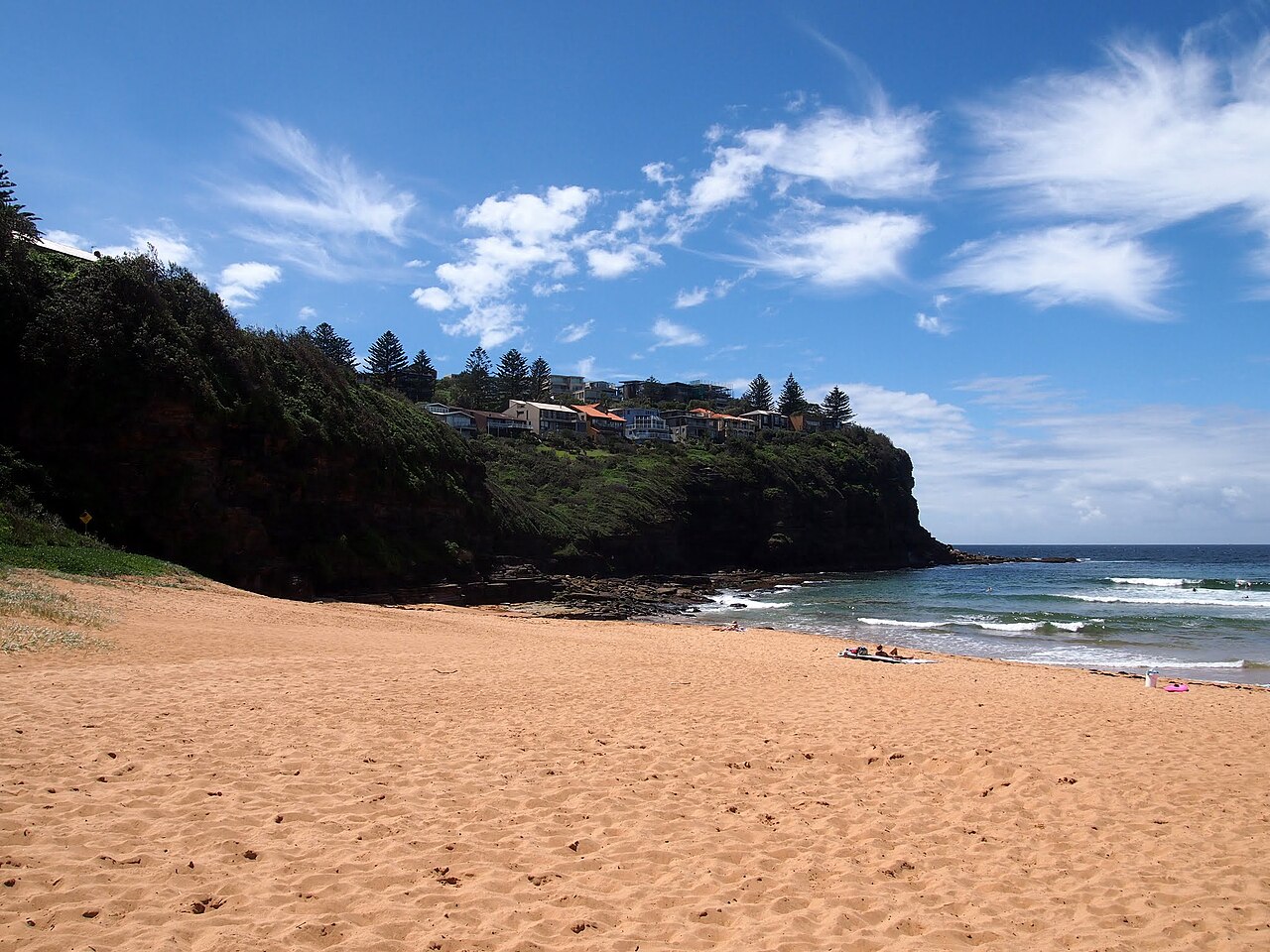
It provides a welcoming introduction to ocean racing for juniors and sprinters who prefer to stay within easy reach of the shore. For competitors aged 15 and over, the headline 1.5-kilometre ocean swim takes participants straight through the surf break. Swimmers navigate a diamond-shaped loop out in open water before turning back toward the beach finish. Pushing beyond the break tests navigation and rhythm as the ocean opens up into deeper blue water. The water tucked inside the bay is celebrated for its clarity, often appearing crystal clear right across the course.
The Billy Swim at Bilgola Beach in 2025
In 2025 the Billy Swims were run on Sunday 12 January at Bilgola Beach, with sister surf clubs on water safety duty. Swimmers could enter the 500 m or the 1.5 km, or complete both for a bigger challenge. The two Billy swims, 500 m and 1.5 km, start an hour apart. In 2025 the club counted 459 swimmers on a day of sunny weather, warm water, a gentle breeze and a small swell. Nathan Williams (age group 11-19) was the first man back to the beach in the 2025 500 m, in 7 minutes 43 seconds. In the 2025 1.5 km, Bodi Bone (13-19) won the men's race in 20 minutes 54 seconds and Ivy Gerstner (13-19) the women's race in 23 minutes 8 seconds.
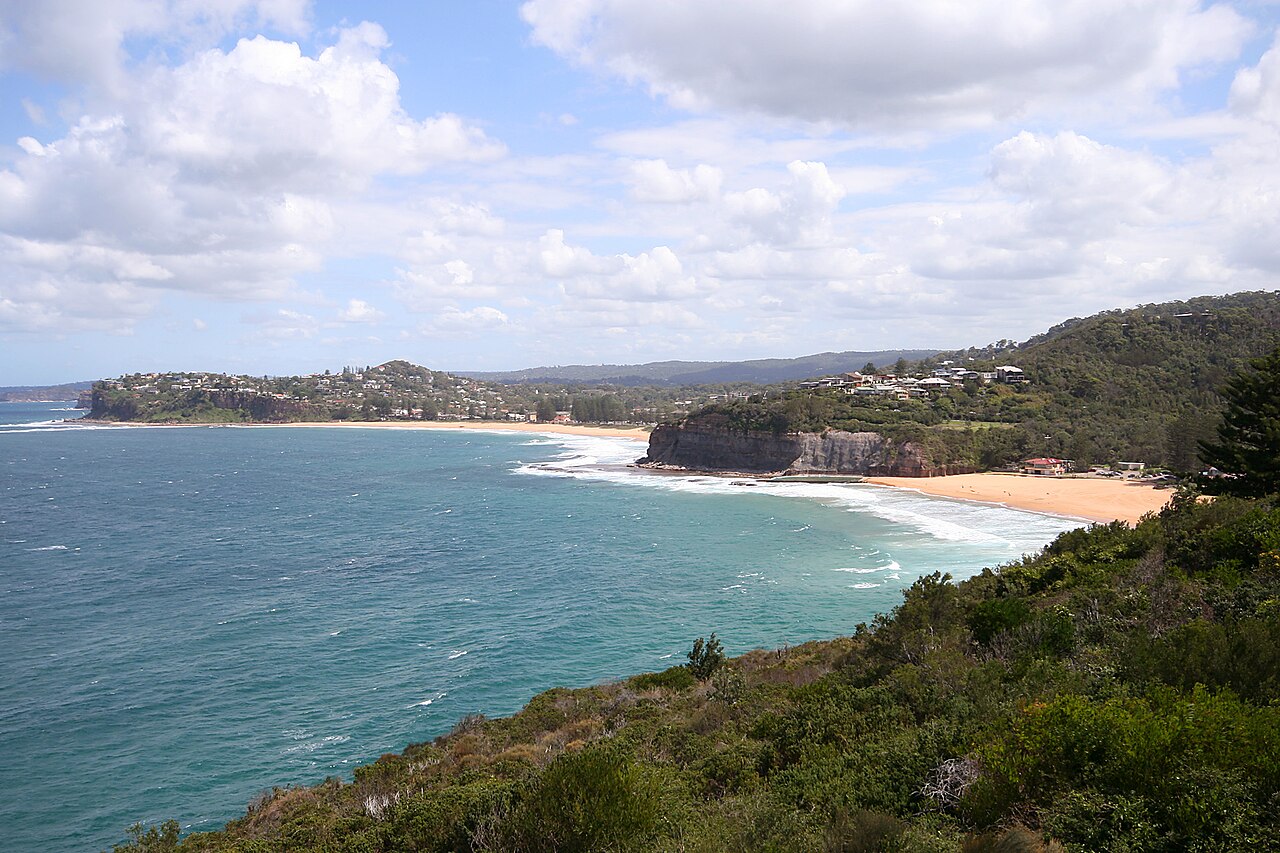
Bilgola Beach: steep headlands and the cabbage palm valley
Nestled between Avalon and Newport, the golden sands of Bilgola Beach are protected by towering headlands that actively buffer coastal winds and dampen incoming ocean swell. The land climbs steeply away from the water's edge, rising directly up the green hillsides toward the Bilgola Plateau. A celebrated surf break known as the Wedge sits off the rocks at the northern end of Whale Beach, while Careel House, a heritage-listed bungalow dating back to 1931, looks down over the sand from Careel Head. Whale Beach also forms the finish for The Big Swim, an annual open water event founded in 1974 that charts a multi-kilometre ocean journey starting from Palm Beach. Down the coast, the wild stretch of Turimetta Beach extends for 350 metres beneath steep bluffs. Unlike sheltered Bilgola, swimming at Turimetta is hazardous due to persistent rip currents that pull through the centre and off both ends of the sand.
St Michaels Cave and Careel Bay: cliffs, bats and marine nurseries
Just north along the coastal cliffs at Avalon sits St Michaels Cave, a dramatic seaside cavern carved where a Jurassic volcanic dyke eroded through Triassic sedimentary rock formations. Acquired during colonial times by Reverend John Therry, the secluded cave provides an undisturbed sanctuary above the surge. Today, the dark chamber serves as a vital breeding site for colonies of Common bent-wing bats and Large-eared pied bats. Across the narrow spine of the peninsula lies Careel Bay, sustained by the freshwater input of the one-kilometre-long Careel Creek. The protected inlet contains the largest stand of mangroves and seagrass beds anywhere in Pittwater, forming the most significant estuarine wetland complex in the Northern Beaches. The calm shallows function as a vital fish nursery that sustains marine populations throughout adjacent coastal waters. These estuarine mudflats draw flocks of migratory shorebirds that touch down every year around September and October. The mangroves also mark the southernmost geographical habitat of the Mangrove Gerygone.
Scotland Island and the flooded valleys of Pittwater
Deeper within the sheltered Pittwater estuary, Scotland Island was created 18,000 years ago when rising sea levels after the last ice age drowned an ancient river valley. Sandstone bluffs crown the island above sedimentary rocks of the Narrabeen group, dotted with small natural caves along the heights. Aboriginal middens date back 3,500 years. In the early nineteenth century, Andrew Thompson recognized the potential of the pristine tidal waters and built a salt works on the island. Around 1900, local operations were extracting salt from seawater near Tennis Court Wharf at a rate of 90 kilograms per week. Across the channel, the tranquil waters of Morning Bay and Lovett Bay lap the western shores of Pittwater beneath Ku-ring-gai Chase National Park.
Entirely inaccessible by road, Lovett Bay can only be reached by boat or along rugged bushwalking tracks. The Towlers Bay Circuit leads walkers down from Birnie Lookout to Lovett Bay, while the Elvina Bay Circuit provides access to the cascades of Lovett Falls and Elvina Waterfalls. Nearby Elvina Bay is similarly free of roads and surrounded by national park bushland. Farther north along the western shoreline sits Currawong Beach, once known as Little Mackaral Beach. Here, the Stiles family built a homestead named Africa in 1916, which still stands today under the name Midholme. The Labor Council of New South Wales purchased the isolated retreat in 1949 to build a workers' holiday camp, erecting eight initial cabins followed by Vandyke-style cottages. Recognized as an intact mid-century seaside retreat, Currawong was placed on the State Heritage Register in 2009.
Bilgola seafront: the 1949 surf club and the ocean rock pool
Back on the sand at Bilgola, the Bilgola Surf Life Saving Club has anchored beach safety and community ocean sports since its founding in the summer of 1949. Tucked against the rocks at the southern corner of the cove lies an ocean rock pool listed on the heritage register. Every summer Saturday morning, an amateur swimming club gathers to run club races in the tidal pool, swimming laps in salt water refreshed on high tides by the incoming waves. Directly above the rock pool, a grassy foreshore area created by landfill in the 1960s to soften a sharp bend in the road offers open coastal scenery. From this elevated patch of lawn, swimmers can look straight across the headland to take in views of neighbouring Newport Beach after finishing their race.
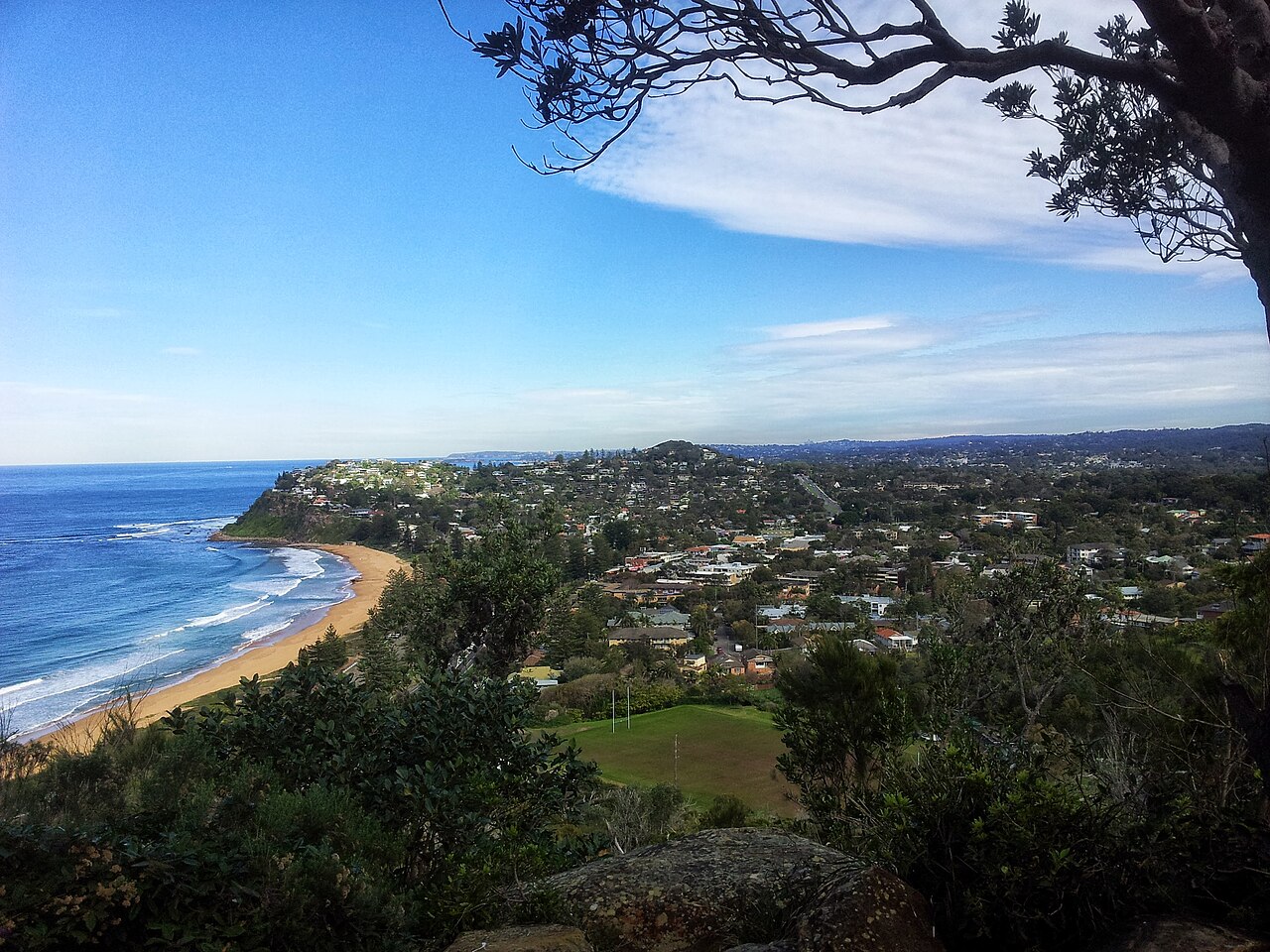
Sources: Whale Beach, New South Wales · Bilgola Beach · Careel Bay · St Michaels Cave (Avalon Beach)
Course
Diamond shaped course, starts and finishes in the centre of the beach.
Diamond shaped course, starts and finishes in the centre of the beach. Follows a path towards the north headland.
Awards
The presentation of awards will take place in the barbeque lawn area (weather permitting) as soon as possible after the last swimmer has completed the course.
Aid stations
Water and fruit available free of charge at the barbeque and lawn area next to the club house after the race.
How to get there
Parking at Bilgola Beach is limited and pay-and-display. Special event parking is available at Porter Reserve, North Newport, with a free shuttle to the beach.
Bilgola 'Billy' Swim
Frequently asked questions
- When is Bilgola 'Billy' Swim?
- Bilgola 'Billy' Swim takes place on January 10, 2027.
- What distances does Bilgola 'Billy' Swim offer?
- Bilgola 'Billy' Swim offers 500 m and 1.5 km.
- How much is the entry fee for Bilgola 'Billy' Swim?
- The entry fee is 45 AUD. Online entries are currently closed. Details for this event will be finalised when entries open.
- Where does Bilgola 'Billy' Swim take place?
- Bilgola 'Billy' Swim is a sea swim. Location: Bilgola Beach, Bilgola, New South Wales, Australia.
- How do I register for Bilgola 'Billy' Swim?
- The reference page for registering for Bilgola 'Billy' Swim is https://bilgolaslsc.org.au/billy-swim/.
Where to stay
Bilgola and the surrounding Northern Beaches offer a mix of traditional holiday rentals and upscale boutique stays. Options range from self-contained beach cottages and classic surf-side apartments starting at approximately $250/night, to more premium boutique guesthouses located near the Newport wharf area, which can exceed $450/night during the summer peak. Staying in the immediate vicinity of Bilgola or the neighboring Avalon allows for easy access to the race start and local amenities.
Things to do nearby
The Pittwater region provides diverse weekend activities centered on its maritime landscape. Visitors frequently explore the estuary via kayak or SUP to witness the local birdlife in Careel Bay or visit the historic Aboriginal rock engravings within the Ku-ring-gai Chase National Park. The area is also known for its coastal hiking trails that connect the various surf beaches, offering high-vantage points of the coastline. For a quieter pace, the local wharf area features several spots for tasting regional produce, reflecting the area's history as a hub for early 19th-century orchards and farming.
Swimmers
Similar races


Comments
Transparency: some links on this page (stays, flights, experiences, gear) are affiliate links — if you book or buy through them, Omniathlon may earn a commission from the partner at no extra cost to you. As an Amazon Associate we earn from qualifying purchases.