
Travesía Liebig–San José
- Feb 21, 2027
- Distances: 2.2km and 5km
At a glance
- Next edition date
- February 21, 2027
- Distances
- 2.2 km · 5 km
- Where
- River · Río Uruguay, Colón, Entre Ríos, Argentina
- Entry fee
- 2.2 km: 50,000 ARS · 5 km: 68,000 ARS
- Registration
- owa.com.ar
About the race
The Río Uruguay broadens into an immense freshwater channel. The Travesía Liebig–San José is an open water swimming river race held in the Uruguay River, connecting the historic settlement of Pueblo Liebig to San José in the department of Colón, Entre Ríos, Argentina. Swimmers take to the wide, moving water where expanses of sand and river currents shape every kilometer.
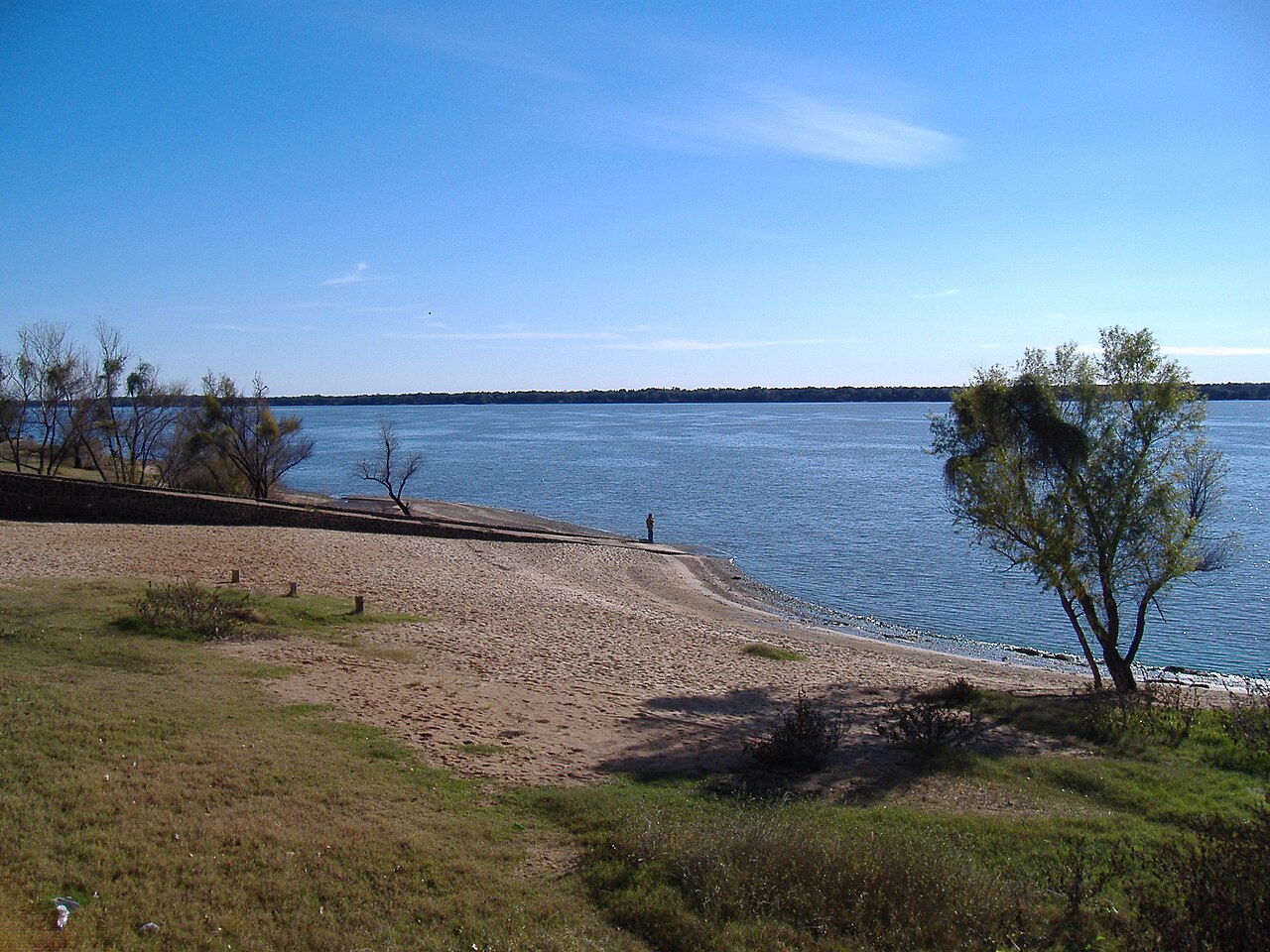
Travesía Liebig–San José: five kilometers down the border river
Held in February during the high warmth of the southern summer, the competition centers on a primary 5,000-meter river course alongside an accessible 2,200-meter distance. Entering the Río Uruguay means stepping straight into an expansive body of freshwater where swimmers must contend with open river waves and an active downstream flow. In past editions, participants tackling the five-kilometer distance have navigated the rolling surface chop and the relentless push of the river current, finding that maintaining an uninterrupted, rhythmic stroke is the most effective way to stay composed and avoid anxiety in such wide-open waters. Conditions vary with the summer weather, but past races have enjoyed ideal river settings, including calm sunny mornings with light northern breezes, warm water, and remarkable clarity.
The event is organized by Open Water Argentina (OWA) as part of their national open water circuit, which features race distances ranging from two to seven kilometers. The circuit is deliberately structured to remain welcoming and accessible for newcomers while offering a satisfying physical test for seasoned distance swimmers. At the finish line along the sandy shoreline, competitors are met by an energetic and celebratory crowd, where volunteers welcome each swimmer back to dry land with fresh fruit and isotonic drinks. In recent years, hundreds of athletes have taken part in this festive gathering, celebrating the emotional reward of challenging the current surrounded by pristine river scenery.
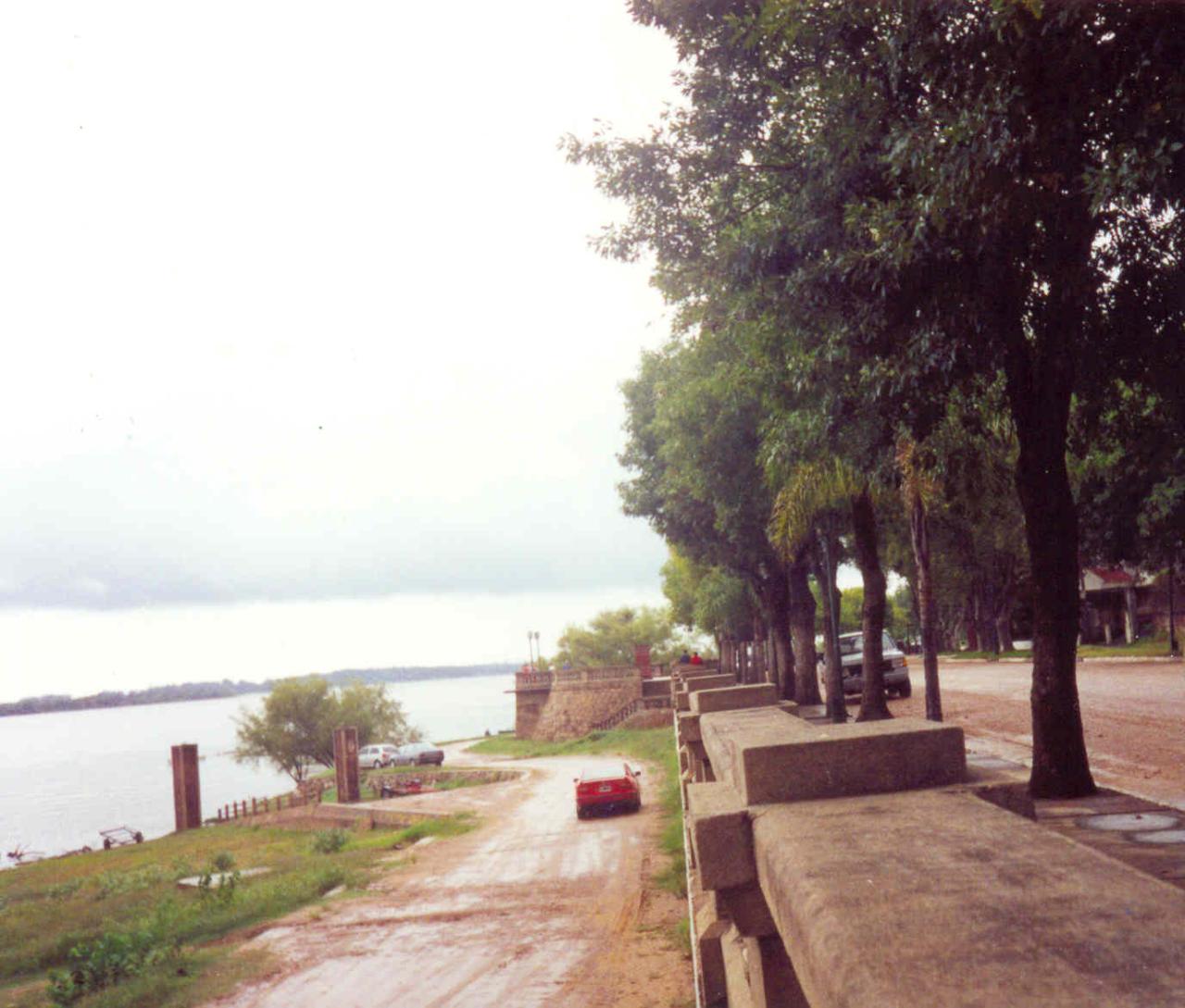
From Liebig's municipal beach to the San José camping beach
In 2024 the Liebig–San José 5 km started from the municipal beach of the historic village of Liebig. Both the 5 km and the 2.2 km promotional swim finish at the Balneario Camping in the city of San José, the center of the event and the place of the prizegiving. The shorter 2.2 km swim starts from Camping Los Médanos. The 2024 edition drew more than 450 swimmers from 6 provinces and 94 cities of Argentina, plus swimmers from Uruguay.
Pueblo Liebig: where the extract of meat fed the world
The race starts along the waterfront of Pueblo Liebig, a riverside town with an extraordinary chapter in modern industrial history. The town was named in honor of Justus von Liebig, the pioneering scientist regarded as the father of organic chemistry, who formulated the world-famous meat extract. Right at Pueblo Liebig, the river system receives one of its local tributaries, the Perucho Verna stream. Rising near the inland city of Villa Elisa in the Colón department, this modest watercourse winds its way eastward across the countryside before discharging directly into the Río Uruguay where swimmers gather before the start.
The Uruguay River: Ice Age canyon to the Río de la Plata
The river traversed by the race is one of South America's great freshwater arteries, originating at an elevation of roughly two hundred meters in the Serra do Mar range of Brazil. Over its long descent southward, the river gathers immense volume before eventually joining the Paraná River to create the vast Río de la Plata estuary. Farther upstream, the river bed reveals dramatic geological formations like the Moconá Falls, an unusual natural feature that runs parallel to the river's flow rather than perpendicular across it. These parallel falls drop between ten and twelve meters in height and stretch continuously for up to 3,000 meters in width, protected on the Brazilian shore by the Turvo State Park, established in 1947.
Downstream from the race area, about seven kilometres away, the river channel is spanned by the General Artigas International Bridge, which connects Colón with the Uruguayan port city of Paysandú. Opened as a vital cross-border link, the bridge extends for 2,350 meters with a central navigational span measuring 140 meters between supports.
Río Queguay and the wetland forests of the eastern shore
The Queguay River completes a 280-kilometer journey through western Uruguay before emptying into the Río Uruguay. At the junction of the Queguay Chico and Queguay Grande rivers lies the Montes del Queguay protected area, an ecological preserve bordering this river system. In the seventeenth and eighteenth centuries, the Queguay River formed the strategic southern boundary of the vast Great Yapeyú ranch managed by Jesuit missionaries. Today, this aquatic ecosystem supports rich biological diversity, counting at least ninety-four different species of fish in its waters. At least half of those fish species are designated as priority species for wildlife conservation in Uruguay, emphasizing the ecological health of this border basin. Farther along the eastern shore in the Paysandú department flows the Arroyo Chapicuy Grande, another tributary of the Uruguay River that originates near the Cuchilla de Haedo and runs westward fed by its main tributary, the Arroyo Carpinchuri.
The mouth of the Chapicuy Grande lies eighty-six kilometers north of Paysandú, thirty-two kilometers south of Salto, and five kilometers south of the historic Meseta de Artigas site. The stream crossing is historically memorable as part of the mass migration of the people of the Banda Oriental in 1811, who crossed the Chapicuy Grande on December 4 of that year. Just beyond, the Daymán River serves as the natural border between the departments of Salto and Paysandú, where the same 1811 migration undertook another river crossing on December 7. On its banks close to Salto, the Termas del Daymán thermal baths have developed into a well-known bathing destination.
Colón: sandy riverfront beaches and Guaraní Aquifer springs
On the Argentine western shore, the nearby city of Colón offers the perfect base for visiting swimmers, having grown around the site of the Calera de Espiro, which served in 1857 as the initial landing port for immigrant families before the town was officially founded in 1863. The modern shoreline features roughly fourteen kilometers of pale sandy beaches facing the gentle freshwater currents of the Río Uruguay. Rising above the riverbanks, Quirós Park occupies the high ground, providing shaded walking paths and vantage points with wide panoramic views overlooking the wooded ravines and the river waters. Further down the shore at kilometer 216 sits the old Port of Colón, where the central pier remains disabled and the low pier is obstructed by a sunken vessel and two others moored beside it, leaving a silent maritime memory along the water. After miles of effort in the river, Colón provides post-race recovery through its thermal baths, which tap into the enormous subterranean Guaraní Aquifer at depths exceeding 750 meters.
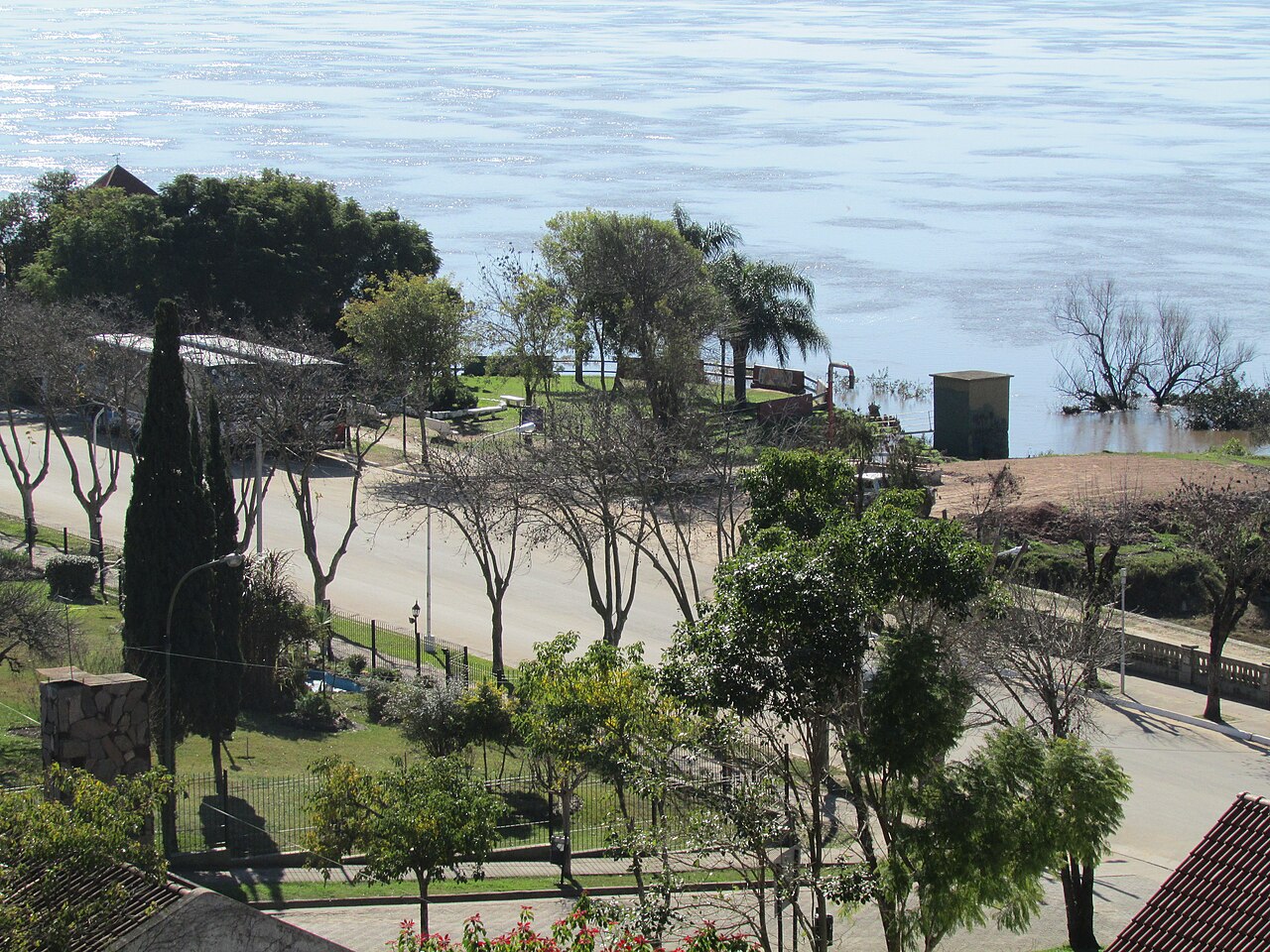
Course
Previous editions
- 2026Feb 22, 2026
How to get there
Travesía Liebig–San José
Frequently asked questions
- When is Travesía Liebig–San José?
- Travesía Liebig–San José takes place on February 21, 2027.
- What distances does Travesía Liebig–San José offer?
- Travesía Liebig–San José offers 2.2 km and 5 km.
- How much is the entry fee for Travesía Liebig–San José?
- Entry fees by distance: 2.2 km: 50,000 ARS · 5 km: 68,000 ARS. Prices from 2026 edition; 2027 prices not yet released
- Where does Travesía Liebig–San José take place?
- Travesía Liebig–San José is a river swim. Location: Río Uruguay, Colón, Entre Ríos, Argentina.
- How do I register for Travesía Liebig–San José?
- The reference page for registering for Travesía Liebig–San José is https://owa.com.ar/.
Where to stay
In the nearby town of Colón and around San José, you will find a variety of options ranging from traditional 'cabañas'—small wooden or brick cottages preferred by local families—to boutique hotels overlooking the riverfront. Camping sites directly facing the beach are also widely available and popular during the summer season. Expect to pay between $50 and $120 USD per night for double occupancy in mid-range accommodations, with prices peaking slightly during the race weekend due to the influx of visitors.
Things to do nearby
The area is renowned for its thermal water resorts, which provide a relaxing recovery option after your swim. Beyond the water, you can explore the historical ruins of the Liebig industrial complex, which once processed the region's famous beef exports. For those looking to stay active, the river offers excellent opportunities for kayaking and SUP, allowing you to view the local landscape from a lower vantage point. Weekend visitors often spend their time visiting local vineyards or trekking through the nearby El Palmar National Park, home to vast forests of Yatay palms.
Swimmers
Other stages of this series
- Travesía Salto–ConcordiaConcordia, AR
- Aguas Abiertas Concordia–Puerto YerúaConcordia, AR
Similar races




Comments
Transparency: some links on this page (stays, flights, experiences, gear) are affiliate links — if you book or buy through them, Omniathlon may earn a commission from the partner at no extra cost to you. As an Amazon Associate we earn from qualifying purchases.