
North Shore 5k/10k Endurance Swim
- Aug 14, 2027
- Distances: 5km and 10km
At a glance
- Next edition date
- August 14, 2027
- Distances
- 5 km · 10 km
- Where
- Sea · Sunset Beach to Waimea Bay, Haleiwa, Hawaii, United States
- Entry fee
- 5 km: 125 USD · 10 km: 155 USD
- Registration
- active.com
About the race
The North Shore 5k/10k Endurance Swim is an open water swimming race held in the ocean off Haleiwa on the northern coast of Oahu, Hawaii. The North Shore of Oʻahu forms an expansive coastal reach spanning between Kaʻena Point and Kahuku, about five kilometres from the race area, and while it is celebrated for heavyweight surf, it also contains protected coves suitable for beginner surfing lessons. Hosted by Eat Pono, the event stands as Hawaii's first and only coastal endurance swimming competition linking Sunset Beach with Waimea Bay. Competitors can take on either 5,000-meter or 10,000-meter ocean courses held during the calm conditions of August. The 10-kilometer course provides a thorough oceanic challenge, launching directly from the sand of Waimea Bay.
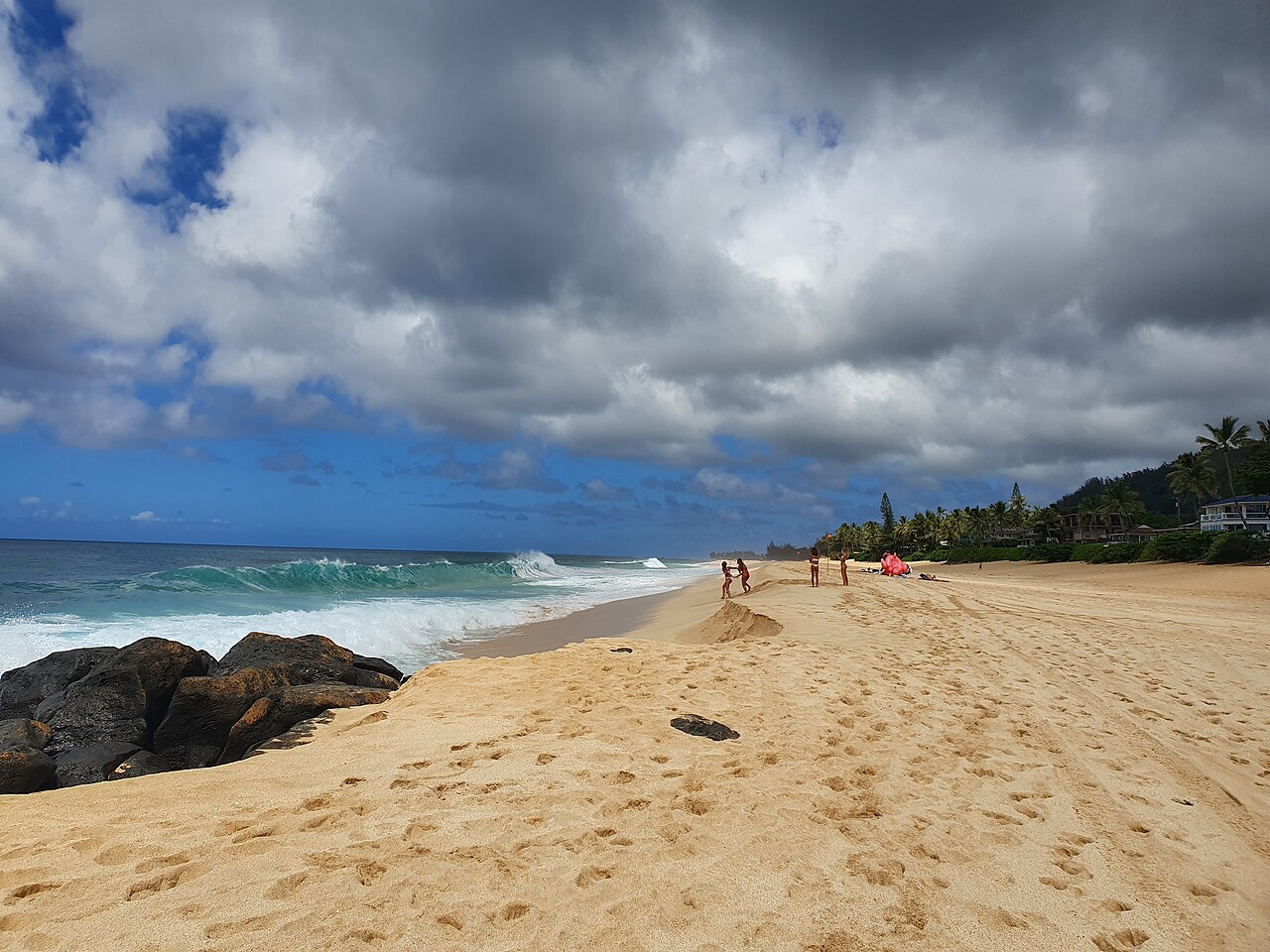
Swimmers track northeast along the open coastline to a turnaround point at Sunset Beach before retracing their strokes back across the deep water to finish at Waimea Bay. For those taking on the 5-kilometer course, the route runs as a point-to-point journey starting from Sunset Beach and following the coastline southwest to Waimea Bay. Along the way, the 5-kilometer path guides swimmers past Keiki Point, Shark’s Cove, and Three Tables before sweeping into Waimea Bay. Both courses demand disciplined pacing, mental stamina, and continuous adaptability as swimmers remain immersed in the rolling rhythm of the open Pacific.
Banzai Pipeline and Sunset Beach: The Summer Sea Transformation
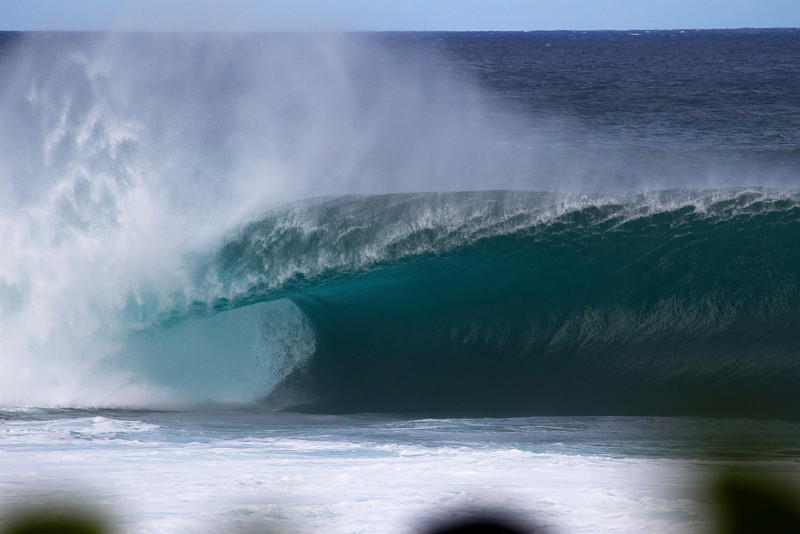
Sunset Beach stretches for over two miles along the coast, creating a 3.3-kilometer sweep of white sand that ranges between two hundred and three hundred feet in width. Steep sand dunes bank down toward the water's edge, giving swimmers a wide vantage across the shore before stepping into the sea. Just down the shoreline off Ehukai Beach Park lies the world-famous reef break of the Banzai Pipeline. The underwater reef here consists of a flat tabletop structure honeycombed with submerged caverns and sharp volcanic spires. Three distinct reef tiers sit at progressively deeper levels, activating in turn depending on the height and angle of oncoming ocean swells. Sand accumulating on top of the reef can cause waves to pitch and break unpredictably, creating violent surges across the shallow shelf.
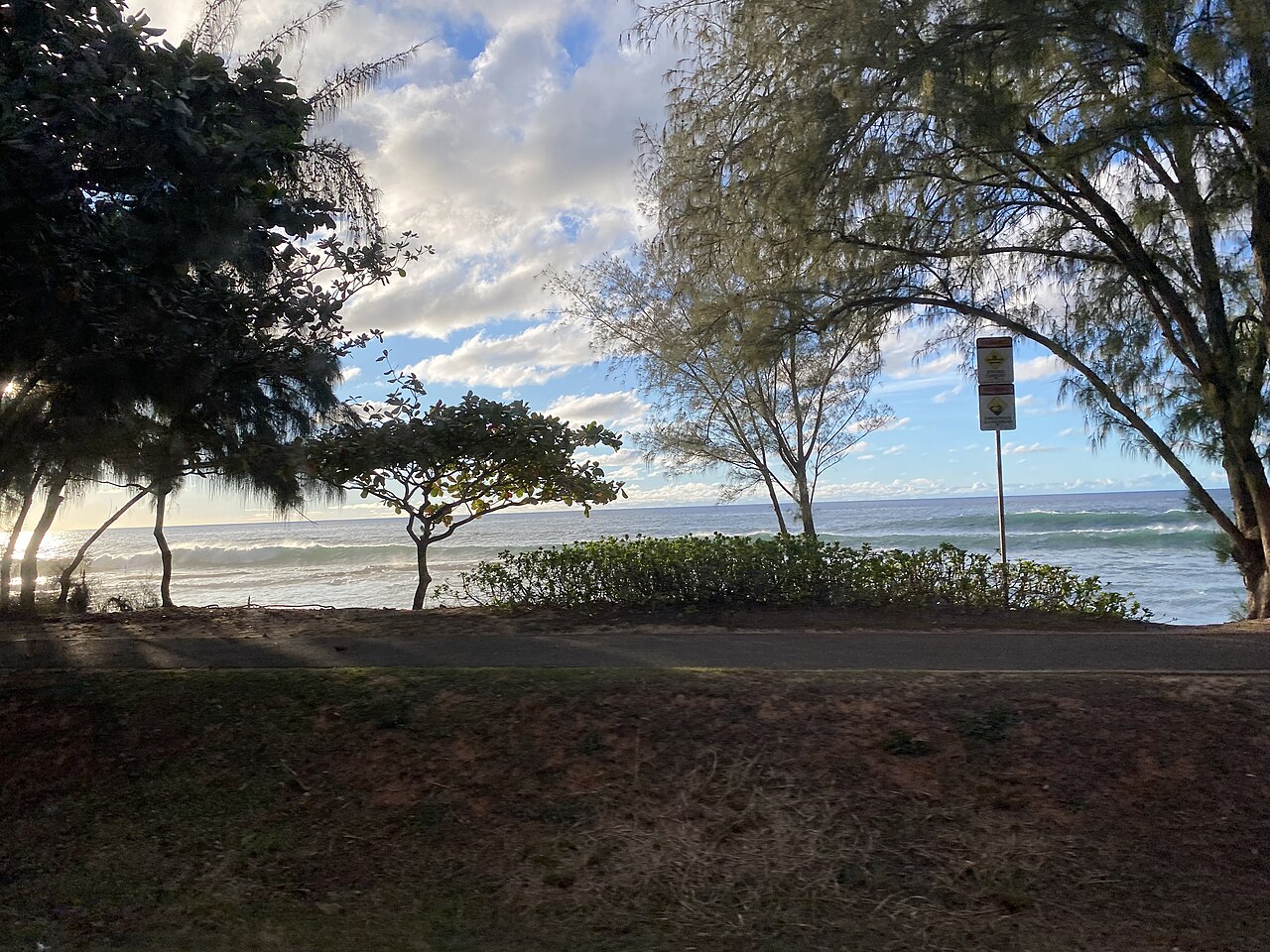
A strong west swell clears the sand off the reef, while a strong north swell delivers the clean wave shapes sought by big-wave riders. In winter, west-to-northeast swells originating in the North Pacific create massive walls of water reaching heights of 45 to 60 feet, giving Pipeline its reputation as one of the deadliest waves on Earth with regular breaks exceeding 20 feet. Extreme winter surf and high tides cause repeated flooding and coastal erosion that threaten shoreline homes and coastal wetlands, while local sea levels rise at a rate of one inch every four years. Extreme surf episodes in 2013 and 2014 swept private swimming pools and residential staircases straight into the sea.
In December 2017, heavy surf caused severe sand erosion that carved a 20-foot drop along the coastal bicycle path. Yet by August, the storm energy of the North Pacific vanishes and the sea undergoes a total transformation. During these summer weeks, the waters along Sunset Beach and Pipeline turn placid, flat, and inviting for distance swimming.
Waimea Bay and Valley: Ancient Fishponds, Shrines, and Wave Riding
Waimea Bay sits as a golden sand crescent framed by green headlands and the lush river mouth of Waimea Valley. On the high ground overlooking Waimea Bay sit the stone remains of the ancient Pu'u o Mahuka temple. Down on the shoreline, the sacred fishing shrine of Ke Ahu Hapu'u honors the shark god Kaneaukai. The bay's sandy shore currently suffers from erosion driven by natural and human causes, prompting emergency stabilization work and rockfall netting along the slopes following cliff collapses. Ancient Hawaiians engineered elaborate freshwater fishponds along the valley basin to harvest fish. They also practiced Wai Pu'uone, an ancient sport where riders caught waves surging into the river mouth whenever ocean sandbars blocked the stream from emptying into the sea.
On November 7, 1957, wave riders made the first successful attempt to ride the giant swells rolling into Waimea Bay. When winter swells arrive, the Quiksilver Big Wave Invitational at Waimea Bay requires consistent 20-foot surf before its starting horn can sound. Come summer, however, the bay becomes calm and clear, offering smooth entries and finishes across the golden beach.
Shark’s Cove to Haleiwa: Seafront Trails, Jump Rocks, and Shave Ice
Along the swim line between Sunset Beach and Waimea Bay, swimmers pass prominent coastal landmarks. Three Tables Beach takes its name from three flat reef slabs that rise above the surface during low tide. Just inland, a walking and cycling path links Three Tables Beach to Sunset Beach, winding through shaded subtropical greenery. Inside Waimea Bay itself, the peaceful summer ocean attracts swimmers to the Waimea Bay Rock, a 25-foot cliff jumping perch where thrill-seekers leap straight into the clear water. Further along this northern coastline, Papaʻiloa Beach lines the shore of Oʻahu. Further along the coast sits Turtle Bay, known for the green sea turtles that feed in its waters.
A wide limestone shelf stretches across almost the entire bay, creating a rugged seafloor that makes swimming difficult, while iridescent algae of the species Martensia fragilis thrive across the rocky tide pools. In the event's host community of Haleiwa, coastal history reflects Hawaii's sporting and military past. At Puaʻena Point, the former site of a wartime airfield is now preserved as Puaʻena Beach Park. The waters around this point hold deep traditional significance as an ancient surfing area once reserved for expert Hawaiian watermen. The town of Haleiwa itself is filled with wooden shop facades that look like the set of a Technicolor Western movie. After completing their miles, swimmers can explore the town's famous food culture, ordering from legendary roadside trucks and cooling off with bowls of Hawaiian shave ice.
Sources: Waimea Bay · Banzai Pipeline · Sunset Beach (Oahu) · Waimea Valley · Kawela Bay, Hawaii · Papaʻiloa Beach
Course
Starts at Sunset Beach, follows the North Shore coastline to Waimea Bay. Swimmers round Keiki Point, pass Shark's Cove and Three Tables before entering the bay for the finish. In-water start.
Starts at Waimea Bay, follows the coastline to a turnaround at Sunset Beach, then returns to Waimea Bay for the finish. Beach start.
Awards
- Age group awards
Separate Fin Division available for the 5k swim only.
Aid stations
- Aid stations
- 1
Aid station kayak provided at the 10k turnaround point offering hydration (electrolytes & gel).
Previous editions
- 2026Aug 1, 2026
How to get there
North Shore 5k/10k Endurance Swim
Frequently asked questions
- When is North Shore 5k/10k Endurance Swim?
- North Shore 5k/10k Endurance Swim takes place on August 14, 2027.
- What distances does North Shore 5k/10k Endurance Swim offer?
- North Shore 5k/10k Endurance Swim offers 5 km and 10 km.
- How much is the entry fee for North Shore 5k/10k Endurance Swim?
- Entry fees by distance: 5 km: 125 USD · 10 km: 155 USD. Registration opens June 1 to July 30. Early entry pricing available until July 27; $15 increase starting July 28. Race day registration available.
- Where does North Shore 5k/10k Endurance Swim take place?
- North Shore 5k/10k Endurance Swim is a sea swim. Location: Sunset Beach to Waimea Bay, Haleiwa, Hawaii, United States.
- How do I register for North Shore 5k/10k Endurance Swim?
- The reference page for registering for North Shore 5k/10k Endurance Swim is https://www.active.com/haleiwa-hi/water-sports/swimming-races/north-shore-5k-10k-swim-hosted-by-eat-pono-2026.
Where to stay
Lodging in Haleiwa and the North Shore consists primarily of relaxed beach cottages, surf-centric guesthouses, and a few boutique hotel options near the harbor. Prices generally range from $250 to $600 per night depending on proximity to the water and seasonal demand. For a more rugged experience, limited camping options are available in regional parks, though these often require advanced booking and permits. Staying closer to the Waimea area is recommended to minimize travel time on race morning. Find your base for the weekend.
Things to do nearby
The North Shore is defined by its deep connection to the ocean and ancient heritage. Beyond the race, visitors can explore the area through guided kayak or stand-up paddleboard tours, particularly around the sheltered coves that remain calm during the summer. Cultural interest points include walking the trails around the historical temple sites or visiting local agricultural cooperatives for fresh tropical fruit tastings. For those preferring land-based activity, the coastal trails offer extensive views of the Pacific. Discover local activities.
Swimmers
Similar races



Comments
Transparency: some links on this page (stays, flights, experiences, gear) are affiliate links — if you book or buy through them, Omniathlon may earn a commission from the partner at no extra cost to you. As an Amazon Associate we earn from qualifying purchases.