
Live Wildly Open Water Team Challenge
- Oct 23, 2027
- Distance: 6.4km
At a glance
- Next edition date
- October 23, 2027
- Distances
- 6.4 km
- Where
- Sea · Saint Pete Beach, Florida, United States
- Entry fee
- 250 USD
- Registration
- runsignup.com
About the race
Along the sandy shoreline of Saint Pete Beach, the Gulf of Mexico forms a wide expanse of turquoise water. The Live Wildly Open Water Team Challenge is an open water swimming race held in the sea at Saint Pete Beach, on the Gulf Coast of Florida. Organized by Live Wildly, the event gathers swimmers each October to celebrate World Swim Day while directly supporting the conservation efforts of the Florida Wildlife Corridor. Stepping onto the sand on race morning, you face a sheltered stretch of the Gulf where the clear, calm sea provides an inviting stage for collective endurance. The centerpiece of the competition is the four-mile team relay challenge, structured entirely around a compact quarter-mile open water loop.
Teammates line up along the surf, taking turns to plunge into the water and power through the circuit before sprinting up the sand to tag the next swimmer. With legs clicking past one lap after another, the rhythm demands constant tactical focus, fast handovers, and clean navigation around the course turn buoys. The short circuit keeps the energy palpable from the beach, where spectators and resting teammates cheer every exit and dive from the edge of the water. In past editions, swimmers took on a grueling solo challenge that pushed them through twenty continuous laps of the quarter-mile course to log a complete five-mile swim. Whether taking on the laps as part of a crew or pacing through prolonged open water distance, the course delivers a lively test of teamwork framed by Florida's coastal nature.
Fifth edition, relay rules and October water at Saint Pete Beach
Sea temperature at Saint Pete Beach in October averages 27.3°C (81.1°F), with a range from 25.1°C (77 °F) to 29.5°C (85 °F), according to seatemperature.org. The 2026 Live Wildly Team Challenge at Saint Pete Beach is the fifth annual edition of the event. Relay teams in the Live Wildly Team Challenge have 3 to 8 swimmers. In the relay, no swimmer may take consecutive loops, and in teams of more than four no swimmer may exceed three loops in total. In the Live Wildly solo challenge, swimmers swim the loop around all the buoys, and leaving the water is optional. The Florida Wildlife Corridor, which the event supports, is a network of forests, rivers, ranches and farms connecting the Everglades to the Georgia and Alabama borders.
Saint Pete Beach: Pass-a-Grille and the Gulf shoreline
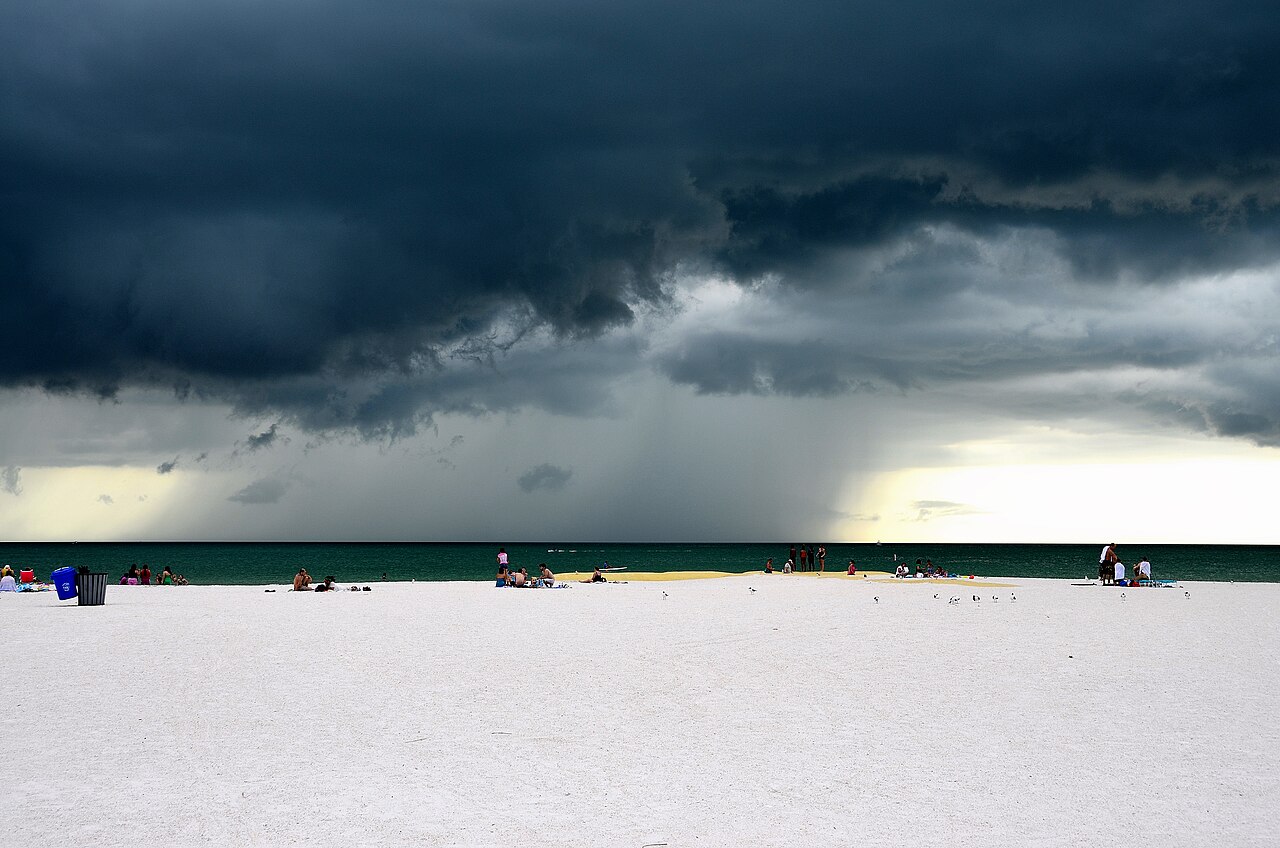
Saint Pete Beach occupies a narrow barrier island that offers panoramic views of the open Gulf of Mexico on one side and sheltered bay lagoons on the other. The shoreline is famed for its powdery white sand and warm turquoise shallows, creating gentle conditions that appeal to swimmers and beachgoers alike. Floating just beyond the surf break, you look back at a low-slung, sunlit coastline where everyday beach life revolves entirely around the water. Toward the southern tip of the island stands the iconic Don CeSar beach resort. Just past the resort lies the historic neighborhood of Pass-a-Grille, laid out on a compact, walkable grid of quiet residential streets. As the day winds down, the beach takes on a celebratory atmosphere that defines local life.
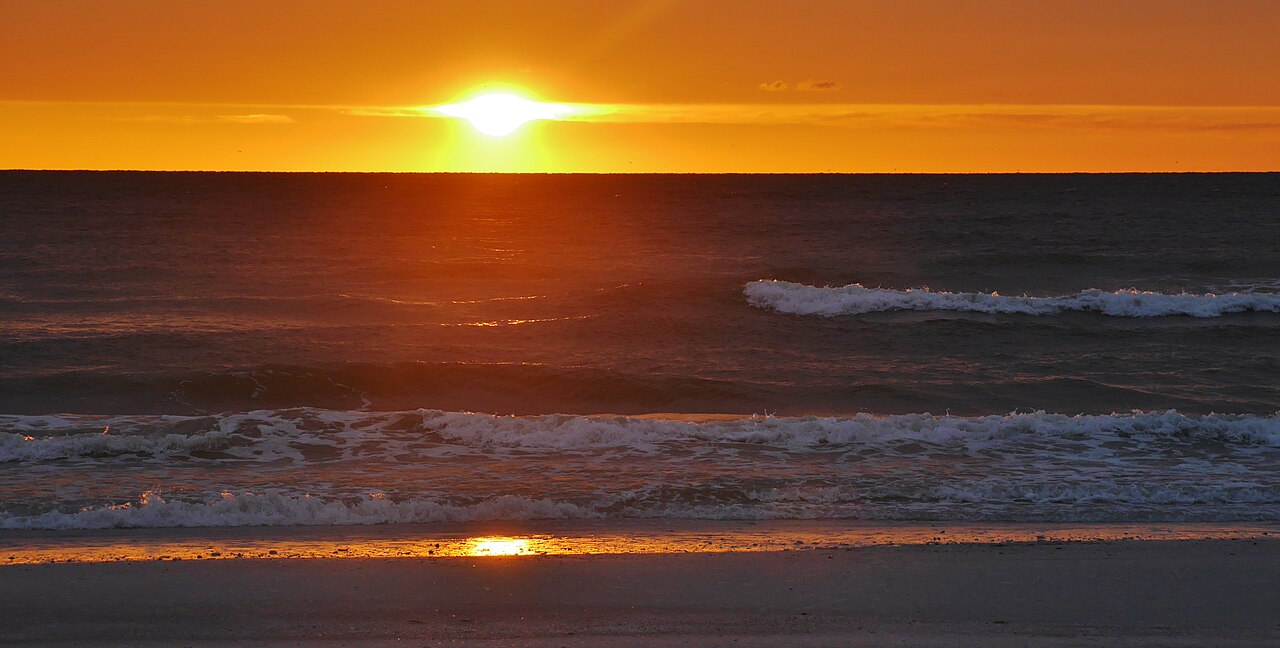
Officially recognized as the Sunset Capital of Florida, Saint Pete Beach sees crowds gather along the waterline every evening to watch the sun drop into the Gulf. Swimmers, residents, and visitors line the edge of the surf to watch the sky ignite with vibrant shifts of color across the open horizon.
Shell Key and Mullet Key: the shifting barrier islands
About two kilometres south of the race area, the pristine expanses of Shell Key Preserve protect roughly 1,800 acres of completely undeveloped coastal habitat. Shell Key itself emerged as a distinct barrier island in the early 1960s, rising from a submerged sandy shoal into an evolving sanctuary of sandbars, mangrove islands, and sea grass beds. The island continues to grow and reshape itself through the natural onshore migration of swash bars pushed landward by Gulf currents and tides. Because of its low profile and shifting sands, the island remains vulnerable to periodic storm surges and has been breached by major storms in the past. Despite these dynamic maritime forces, the island serves as an essential nesting and wintering ground for native shorebirds.
To preserve the sensitive wildlife, public access is strictly confined to the northern and southern beaches, keeping the central conservation core completely wild and undisturbed. Continuing about eight kilometres down the coast brings you to Mullet Key within Fort De Soto Park, an island characterized by two long arms meeting at a clean right angle. One arm faces the direct wave energy of the open Gulf of Mexico, while the other is governed by the powerful tidal currents sweeping through the mouth of Tampa Bay. This relentless natural reworking of sand by swells and tides expanded the total landmass of the park's five islands from 970 acres in 1970 to over 1,140 acres by 2014.
Tarpon Key and Boca Ciega Bay: mangrove bird sanctuaries
About five kilometres from the race area, the Pinellas National Wildlife Refuge, spanning Indian, Mule, Jackass and Tarpon Keys, forms together with Passage Key and Egmont Key a vital chain of federal sanctuaries shielding the Tampa Bay estuary. The refuge functions primarily as an undisturbed colonial bird nesting site, sheltering thriving populations of herons, egrets, cormorants, and brown pelicans among the mangroves. Tarpon Key is particularly significant, hosting the largest breeding rookery of brown pelicans in the state of Florida. Across the bay, about eight kilometres from the swim venue, Clam Bayou encompasses a 170-acre tidal estuary nestled between Gulfport, St. Petersburg, and Boca Ciega Bay. Between 2010 and 2011, an extensive ecological restoration project improved the quality of water draining through the bayou and out into the bay. Today, the adjacent Clam Bayou Nature Park features a designated launch point where kayakers and canoeists can paddle quietly through restored tidal lagoons.
Boca Ciega Bay to Egmont Key: Tocobaga mounds and lighthouses
Long before modern swimmers raced along the beach, these barrier islands supported thriving coastal communities. Between 1000 and 1500 CE, the Tocobaga Native Americans lived on Mullet Key and adjacent islands, harvesting oysters, whelks, clams, conch, and fish from the abundant waters of the Gulf of Mexico. About twelve kilometres away, on the eastern shore of Boca Ciega Bay, the Jungle Prada site marks an ancient village that the Tocobaga inhabited for over six centuries. Their settlement once spanned more than three miles of shoreline mounds, and an impressive 23-foot-tall shell midden mound measuring 900 feet long still stands preserved on the site. The shoreline tells a layered story of maritime history, linking pre-Columbian shell middens with early European exploration of the Gulf.
Further south at Fort De Soto, early twentieth-century military architecture drew directly upon local marine materials. Built between 1898 and 1906, the coastal fortification was constructed using an innovative seashell concrete mixture for its foundations and defensive walls. The battery still preserves four 12-inch M1890 mortars and two 6-inch Armstrong guns, which represent the only surviving pieces of coastal artillery of their type remaining in the United States. About eleven kilometres from Saint Pete Beach lies Egmont Key, an island formed around 11,000 years ago by rising post-glacial sea levels. Its towering lighthouse was completed in 1858 after a violent hurricane in 1848 flooded the island under six feet of water and wrecked the earlier beacon.
Today, the 1858 tower remains the oldest structure in the Tampa Bay area still performing its original navigational duty. The island also preserves the historic ruins of Fort Dade from the Spanish-American War era, while the submerged wreck of the nineteenth-century tugboat U.S.S. Narcissus rests in the Gulf just under three miles to the northwest.
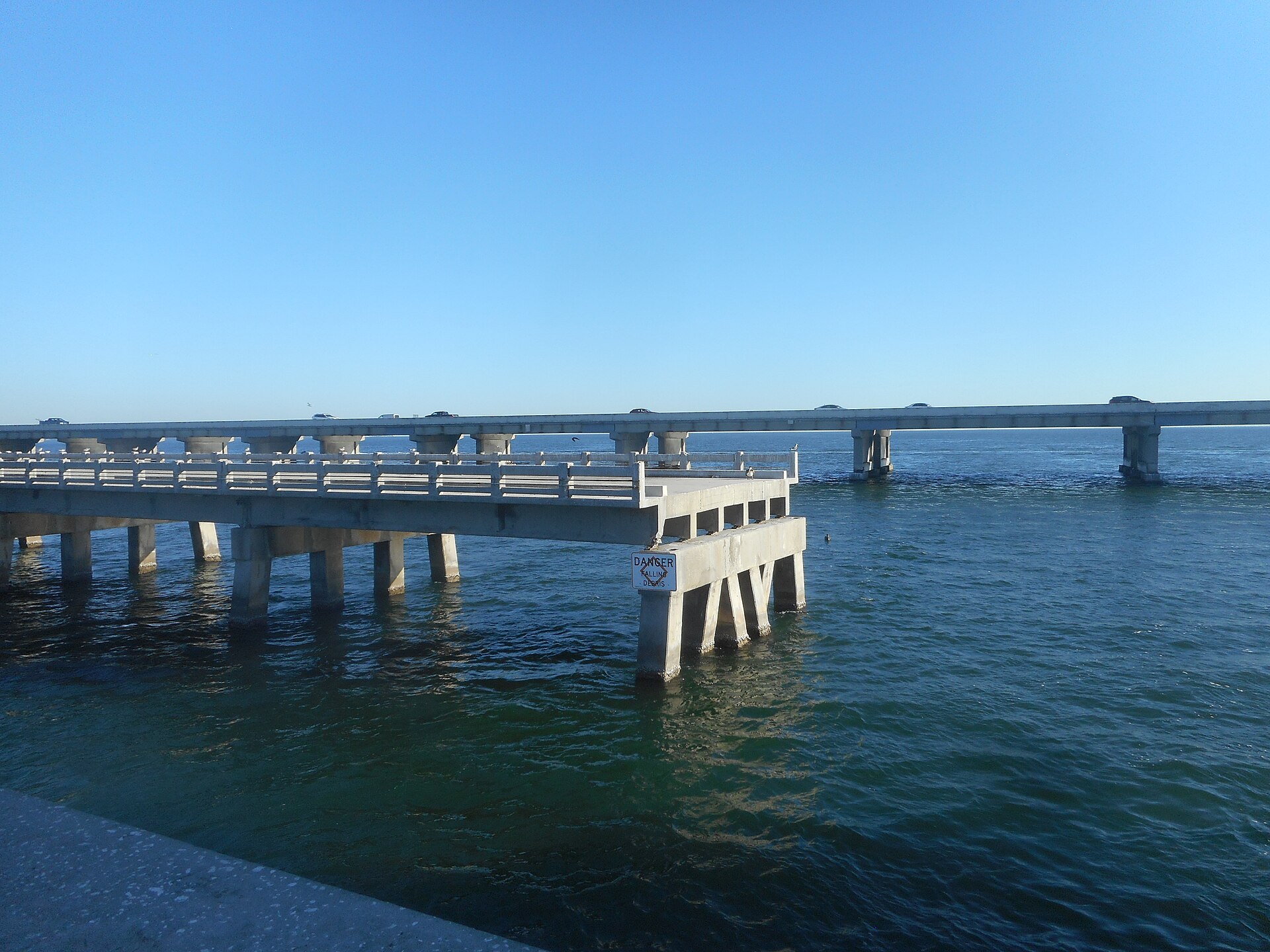
Sources: Skyway Fishing Pier State Park · Pinellas National Wildlife Refuge · Shell Key Preserve
Course
The course consists of a 1/4-mile loop in open water. For the team relay, swimmers rotate loops. For the solo endurance option, swimmers must exit the water after each loop and run around shoreline flags before re-entering.
Previous editions
- 2026Oct 24, 2026
How to get there
Live Wildly Open Water Team Challenge
Frequently asked questions
- When is Live Wildly Open Water Team Challenge?
- Live Wildly Open Water Team Challenge takes place on October 23, 2027.
- What distances does Live Wildly Open Water Team Challenge offer?
- Live Wildly Open Water Team Challenge has a single distance: 6.4 km.
- How much is the entry fee for Live Wildly Open Water Team Challenge?
- The entry fee is 250 USD. Additional events available: Solo Challenge ($80), Solo Swim What you can ($50), Vernaci Challenge ($90).
- Where does Live Wildly Open Water Team Challenge take place?
- Live Wildly Open Water Team Challenge is a sea swim. Location: Saint Pete Beach, Florida, United States.
- How do I register for Live Wildly Open Water Team Challenge?
- The reference page for registering for Live Wildly Open Water Team Challenge is https://runsignup.com/Race/FL/SaintPeteBeach/LiveWildlySwimTeamChallenge.
Where to stay
Accommodations in St. Pete Beach range from historic boutique hotels along the waterfront to vintage mid-century beach motels and private vacation rentals. The area is dense with high-density resorts and smaller, family-operated inns near the Pass-a-Grille district. During the October race season, expect to find nightly rates ranging from 180 to 450 EUR, depending on proximity to the Gulf shore. Booking well in advance is standard, particularly for properties offering direct beach access for easy morning warm-ups.
Things to do nearby
Visitors often explore the area by renting kayaks or SUPs to traverse the protected grass flats of the Boca Ciega Bay Aquatic Preserve. Local history buffs can walk the brick streets of the Pass-a-Grille Historic District or tour the remains of early 20th-century coastal architecture. For those preferring land-based activities, the Pinellas National Wildlife Refuge islands provide bird-watching opportunities, while the local culinary scene focuses heavily on fresh-caught seafood, with many establishments located directly on the docks where fishing boats unload their daily hauls.
Swimmers
Similar races


Comments
Transparency: some links on this page (stays, flights, experiences, gear) are affiliate links — if you book or buy through them, Omniathlon may earn a commission from the partner at no extra cost to you. As an Amazon Associate we earn from qualifying purchases.