
Ens Movem per L'Ela
- May 30, 2026
- Last edition date
- Distances: 400m and 2km
At a glance
- Last edition date
- May 30, 2026
- Distances
- 400 m · 2 km
- Where
- River · River promenade in front of the pier, Sant Jaume d'Enveja, Cataluña, Spain
- Entry fee
- 11–28 €
- Registration
- webtretzesports.wixsite.com
About the race
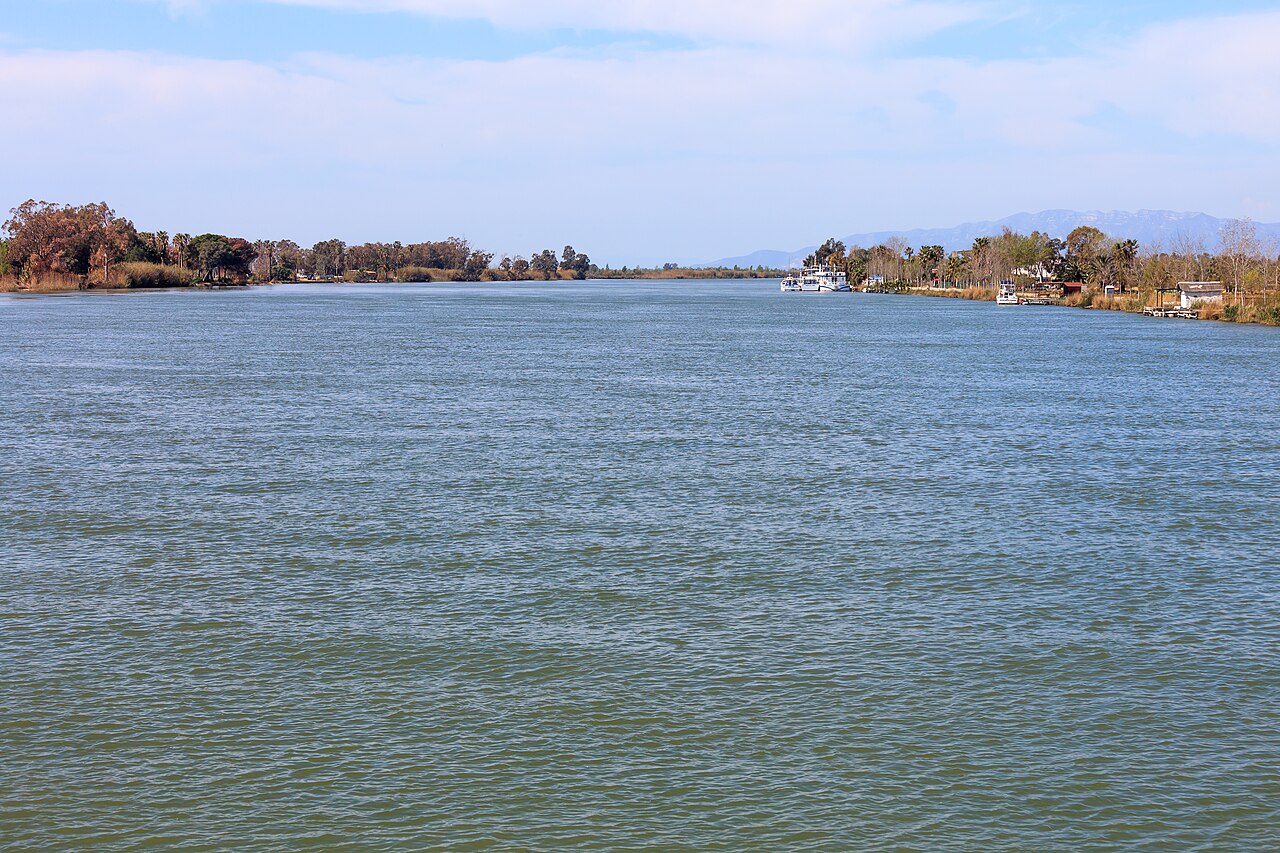
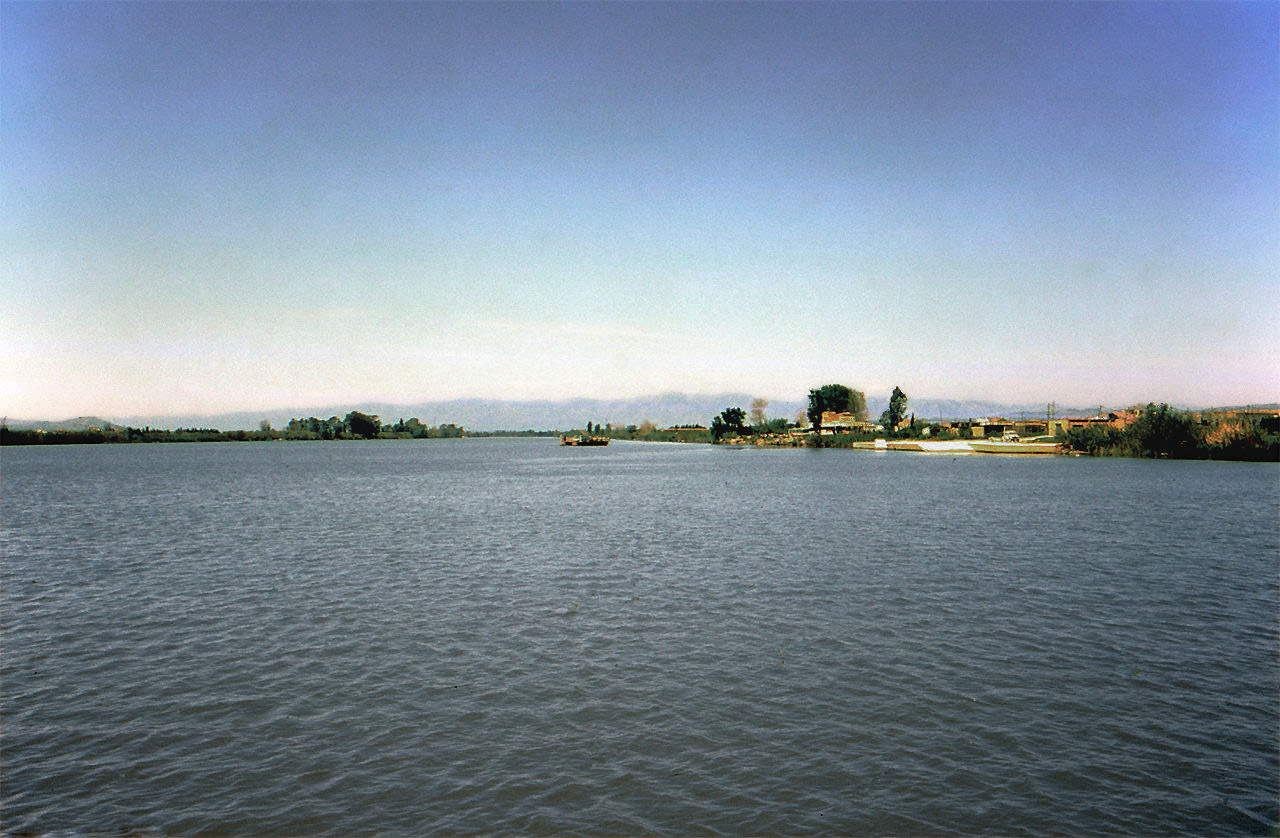
In the Ebro Delta, the Travessia Sant Jaume d'Enveja takes swimmers into the open freshwater currents of the Ebro River in the municipality of Sant Jaume d'Enveja, within southern Catalonia. The event establishes its starting line directly on the riverfront promenade, launching athletes straight from the shore in front of the local town pier. Stepping into the river, competitors enter a broad, moving channel where the river gathers its volume before meeting the Mediterranean. Swimmers take on either a rapid 400-metre sprint or a demanding 2,000-metre main course through the river channel. Navigating the longer distance requires a tactical read of the moving water, as the layout forces competitors to swim sections both assisted by the river's push and driving straight against its opposing flow.
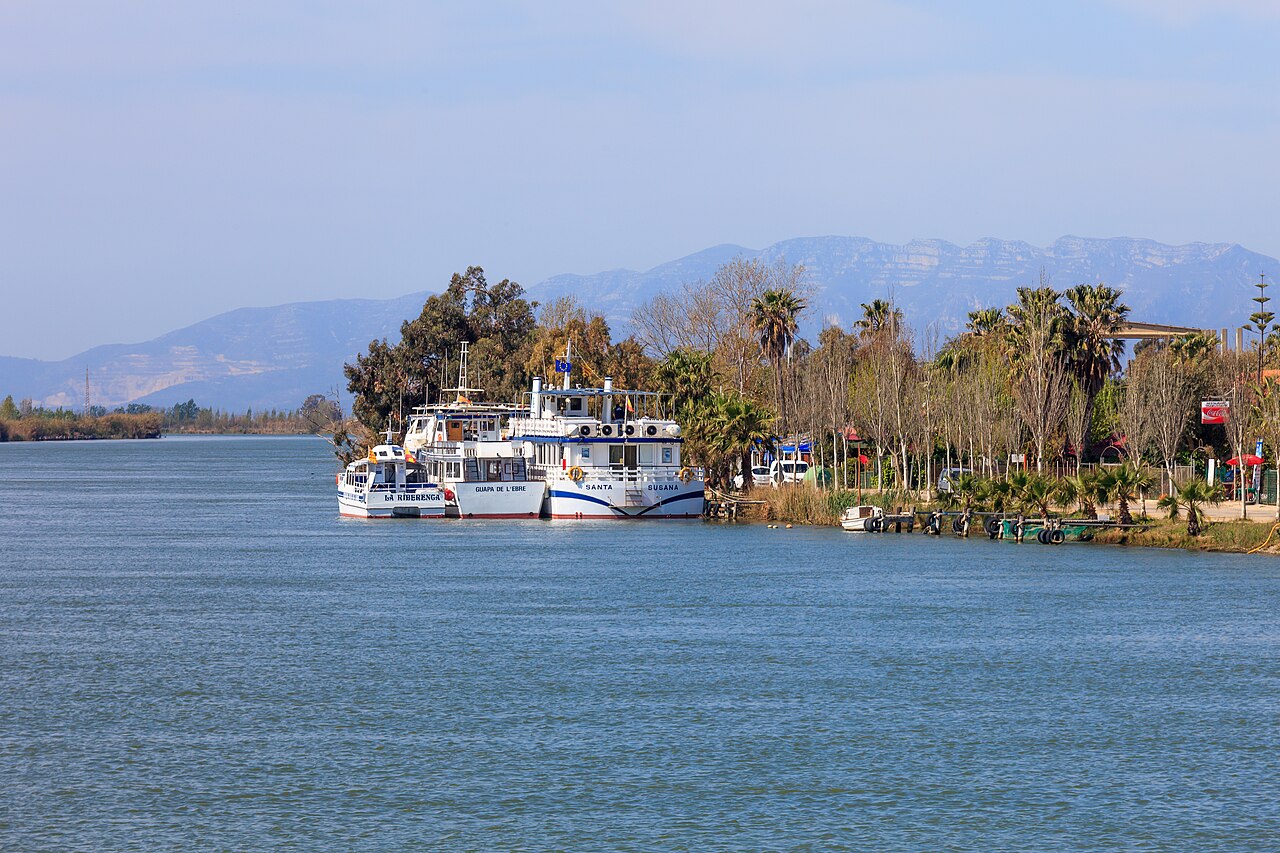
Swimmers must manage their pace and sight carefully along the riverbanks, adjusting stroke mechanics as the current accelerates or resists mid-stream. Organized by Tretzesports, the swim takes place in late May as part of the broader charity event known as Ens Movem per l'ELA. The initiative was founded following the diagnosis of a local resident with Amyotrophic Lateral Sclerosis, directing all efforts to support the work of the Fundació Catalana d'ELA Miquel Valls. Alongside the open water swim, the gathering brings together a foot race and a community solidarity walk. After hauling out of the water, athletes and supporters gather along the riverbank for a communal open-air lunch accompanied by gift raffles for meals at local restaurants.
The living alluvium of Isla de Buda and Delta lagoons
The water coursing beneath the swimmers is the very architect of the surrounding landscape. The Ebro Delta encompasses a massive 340-square-kilometre wetland built entirely from fluvial sediment. This accumulation reshaped the Iberian coastline so profoundly that the nearby town of Amposta, documented as a Roman maritime seaport in the fourth century, now sits well inland from the sea. Roughly eleven kilometres downstream from the race course, the Ebro splits into two separate river branches that embrace Buda Island. Spanning 1,000 hectares and measuring five kilometres in length, Buda is the largest island in Catalonia, shaped entirely by river alluvium before the fresh water empties into the Mediterranean Sea. The island tapers toward Cape Tortosa, a mobile sand spit that marks the easternmost tip of the entire delta.
Within Buda Island lie the two enclosed lagoons of Calaix Gran and Calaix de Mar, which offer sheltered nesting habitat to a vast array of coastal bird species. The Ebro Delta is one of the only places on Earth where the sea lavender Limonium vigo grows, a specialized plant discovered in 1998 and found nowhere else aside from a tiny outcrop on the nearby Ametlla de Mar coast. Just off the eastern delta, about thirteen kilometres away, sits San Antonio Island. Covering an area of roughly 140 hectares, this isolated island features an untouched expanse of dynamic sand dunes and coastal salt marshes. San Antonio Island remains strictly protected within the conservation boundaries of the Delta del Ebro Natural Park.
Dunes of Punta del Fangar and the Trabucador isthmus
Ten kilometres from the swim venue, the delta juts seaward as the Punta del Fangar spit. Measuring six kilometres long and three kilometres wide, this exposed peninsula holds the best-preserved network of wind-carved mobile sand dunes and maritime sand flats anywhere in the delta. Near Playa de la Marquesa, these sandy hummocks transition into stabilized dune communities anchored firmly by specialized coastal scrub. During late spring, the interior stretches of the Fangar spit become a crowded avian nursery where colonies of terns and Kentish plovers build ground nests. To safeguard these fragile bird clutches during their primary breeding cycle, all human access across the nesting zones is strictly prohibited between April 1st and August 15th. Beach grass covers the dune rises, while salt-tolerant rushes and esparto line the edges facing the bay. During heavy coastal storms, violent Mediterranean surf breaches the sandbar completely, flooding across the barrier to merge the open sea with the sheltered bay.
Naval clashes and coastal refuges of Los Alfaques
A Carthaginian fleet had rowed close to the shoreline, beaching their galleys alongside their army overnight to forage for provisions because they lacked dedicated transport vessels. Positioned ten miles to the north, the Roman naval commanders received intelligence on the exposed fleet and launched a surprise tactical assault. The Roman galleys struck the disorganized ships, sinking four vessels, capturing two, and hauling away twenty-three beached Carthaginian warships in a decisive victory. In the northern sector of the bay, the historic San Juan tower stands as a reminder of centuries spent watching for pirate raids. These calm bay waters have also sheltered turbulent moments in Mediterranean history. In 1610, Los Alfaques served as the departure point for 38,286 exiled Moriscos forced to board transport fleets bound for foreign shores. Two centuries later, during the Peninsular War of 1813, eighteen British warships ran hard aground within the confines of the bay.
Passeig Fluvial and the Lo Passador riverfront
Along the riverbank at Sant Jaume d'Enveja, everyday activity centers around the Passeig Fluvial, a wide promenade tracing the fresh currents of the Ebro. Right by the starting area, the municipal pier functions as a lively base where rowing club crews push out into the river current for daily training sessions. The river is crossed by the Lo Passador bridge, a modern crossing opened in 2010 that links Sant Jaume d'Enveja directly with neighboring Deltebre. The bridge features dedicated pedestrian paths with benches and panoramic viewpoints overlooking the broad watercourse. At night, architectural floodlights illuminate the bridge, casting glowing patterns across the dark surface of the river. The bridge has become such a focal point of river identity that each September the waterfront hosts the Som Riu festival to commemorate its completion.
Just steps from the promenade, visitors can explore the Interactive Rice Field, where elevated wooden walkways let you wander above flooded agricultural plots. Walking these planks provides an up-close look at the seasonal growth cycle of rice. On race morning, the calm delta air and the steady movement of the river set the rhythm for swimmers ready to dive into the Ebro.
Course
Previous editions
How to get there
Ens Movem per L'Ela
Frequently asked questions
- When was the last edition of Ens Movem per L'Ela?
- The last edition of Ens Movem per L'Ela took place on May 30, 2026.
- What distances does Ens Movem per L'Ela offer?
- Ens Movem per L'Ela offers 400 m and 2 km.
- How much is the entry fee for Ens Movem per L'Ela?
- The entry fee ranges from 11 € to 28 €. Prices vary for 2000m based on federation license. Payment via virtual TPV on www.tretzesports.org.
- Where does Ens Movem per L'Ela take place?
- Ens Movem per L'Ela is a river swim. Location: River promenade in front of the pier, Sant Jaume d'Enveja, Cataluña, Spain.
- How do I register for Ens Movem per L'Ela?
- The reference page for registering for Ens Movem per L'Ela is https://webtretzesports.wixsite.com/ensmovemperlela.
Where to stay
Accommodations in the Ebro Delta range from rustic family-run guesthouses and traditional 'case di pescatori' (fishermen's houses) renovated for comfort, to small boutique hotel options near the river ports. For those preferring nature, several well-equipped campsites are located along the coast and near the riverbanks. Expect to pay between €70 and €130 per night for a double room depending on the season and proximity to the water. Bookings should be made in advance as May marks the beginning of the prime migratory bird-watching period.
Things to do nearby
The delta is a haven for outdoor exploration. Between swims, you can rent kayaks or SUPs to navigate the quieter reed-lined channels, or take guided cycling tours through the vast rice paddies. Gastronomy is a highlight, with local restaurants offering tastings of delta-grown rice dishes and fresh seafood. For history enthusiasts, the area hosts several small, ancient defensive sites, while the Ebro Delta National Park provides endless opportunities for bird-watching and light trekking along the coastal dunes.
Swimmers
Similar races


Comments
Transparency: some links on this page (stays, flights, experiences, gear) are affiliate links — if you book or buy through them, Omniathlon may earn a commission from the partner at no extra cost to you. As an Amazon Associate we earn from qualifying purchases.