
SNL Winter Platja d'Aro
- Dec 19, 2026
- Distances from 250m to 1.5km
At a glance
- Next edition date
- December 19, 2026
- Distances
- 250 m · 750 m · 1.5 km
- Where
- Sea · Platja d'Aro, Cataluña, Spain
- Entry fee
- 8–35 €
- Wetsuit
- Wetsuit use is permitted; there is a specific award category for swimmers without a wetsuit.
- Registration
- swimnolimits.com
About the race
A plunge into the Mediterranean sounds like a seasonal dare until you step onto the golden sands of Platja Gran beneath the towering sea stack of Cavall Bernat. Winter Platja d'Aro is an open water swimming race held in the Mediterranean Sea at Platja d'Aro, along the rugged coast of Catalonia in northeastern Spain. The competitive programme centres on courses of 1,500 metres and 750 metres, testing winter endurance in the bracing sea. Official podium trophies await the top three male and female finishers in each event, alongside special awards reserved for brave competitors who choose to race without a wetsuit. Slipping into the winter Mediterranean without neoprene demands real mental grit, but the short distances keep the challenge focused and rewarding.
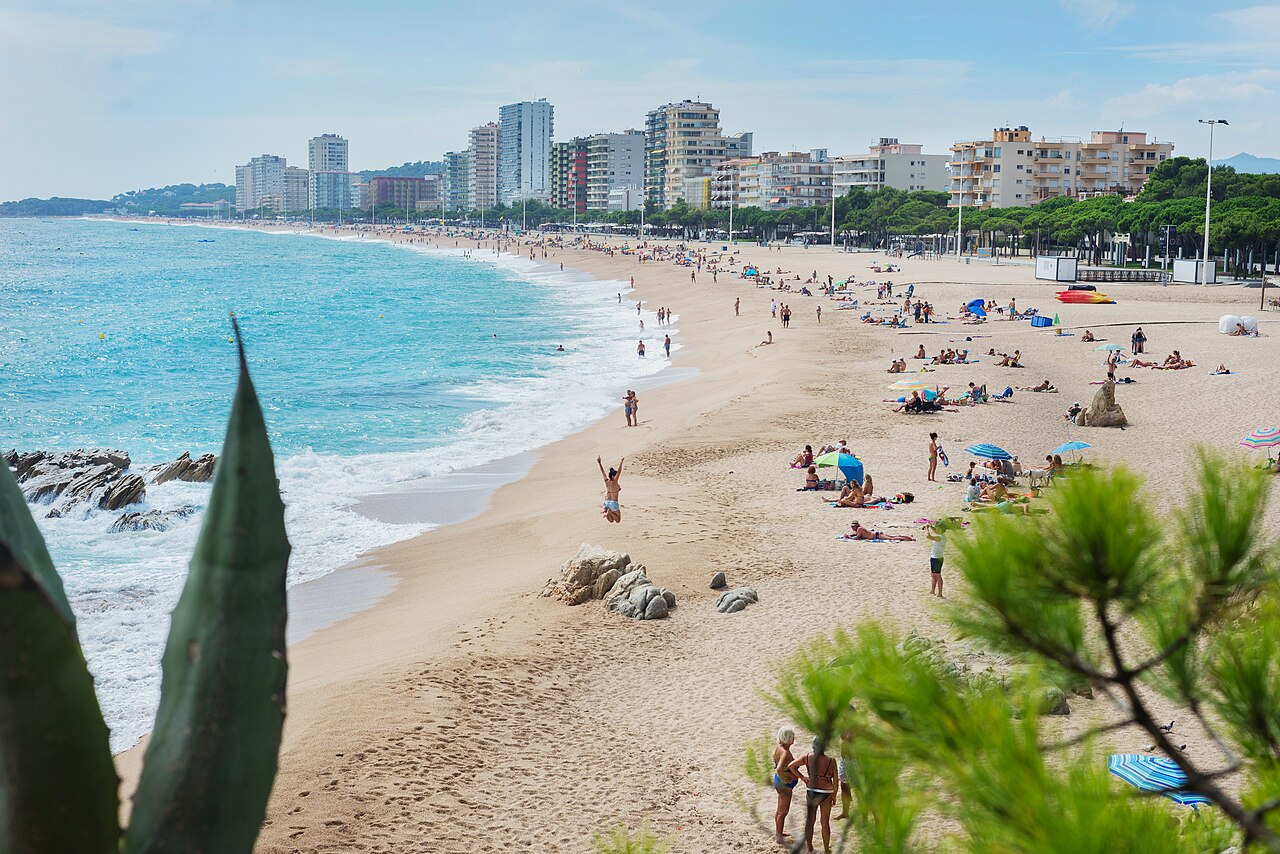
For those seeking seasonal revelry rather than outright speed, the event features the 250-metre Winter Splash. This non-competitive dash encourages swimmers to dive into the sea wearing festive Christmas costumes, accompanied by lighthearted prizes for the best holiday outfit and the best winter carol sung on the sand. Created by Swim No Limits as an annual open water tradition, the meeting welcomes shivering finishers back onto the dry beach with steaming hot refreshments, turning the winter chill into a warm seaside celebration.
Cadiretes massif: deep waters and clear cliffside depths
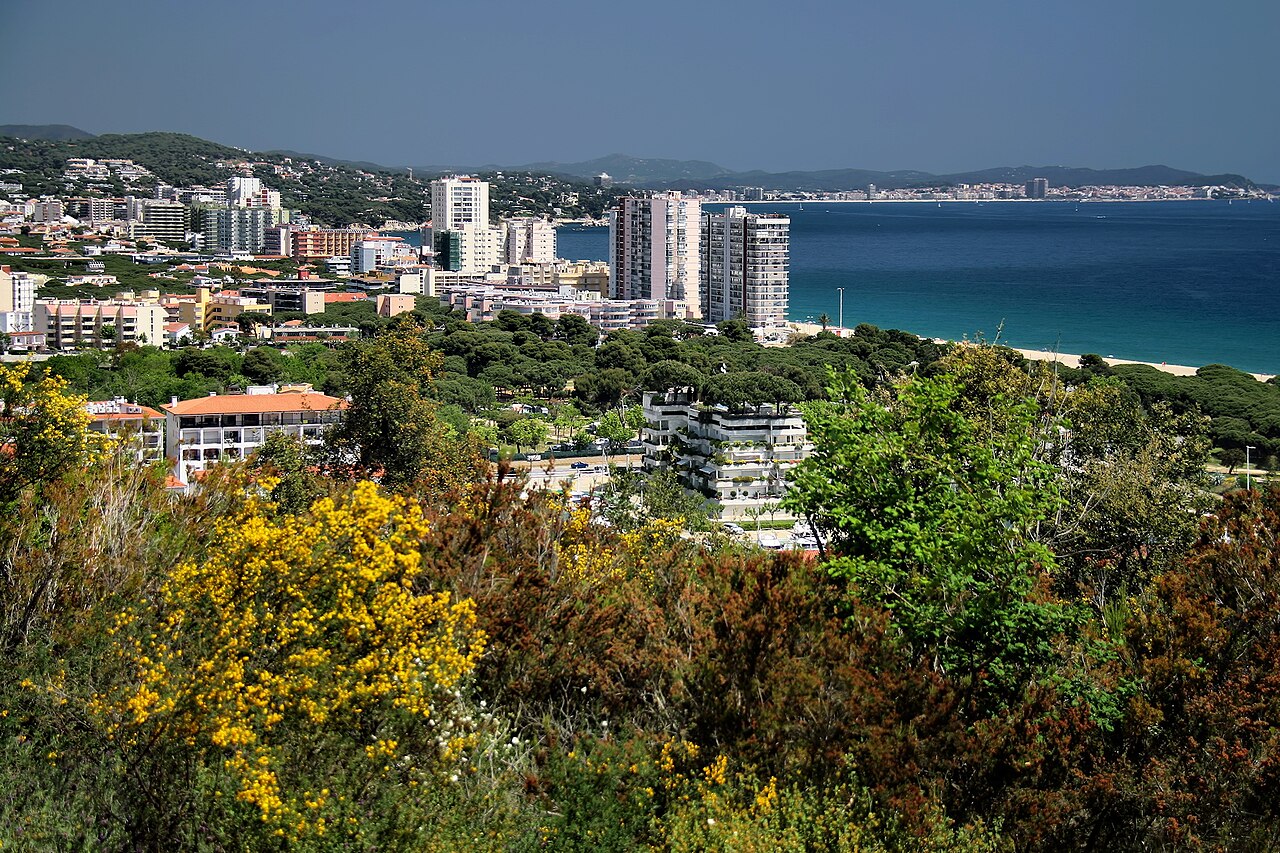
About ten kilometres down the coast to the southwest, the Cadiretes massif drops abruptly into the sea between Sant Feliu de Guíxols and Tossa de Mar, carving out sheer cliffs, secluded coves, and exposed rocky shores. Sunlight penetrates deep into the blue, allowing marine algae to colonize rocky ledges down to depths of sixty meters. High above the rolling swells, inaccessible rock crevices and sea ledges provide sheltered breeding sites where European shags nest along the rocky cliffs.
Illes Formigues and Palamós: medieval fleets and reefs
King Peter III of Aragon founded the royal port of Palamós in 1279 after the nearby river port of Torroella de Montgrí choked with silt brought down by the Ter River. The deep harbor provided secure shelter for naval fleets and merchant vessels navigating the exposed Catalan littoral. Three miles off the port of Palamós lie the Illes Formigues, a barren limestone archipelago of low crags and sea caves fringed with marine vegetation. On the night of August 28, Admiral Roger de Lauria launched a surprise attack against a French fleet of Genoese and French galleys anchored by the islets. By mounting two lanterns on each of his galleys, the admiral made his Aragonese squadron appear twice its actual size in the darkness, throwing the opposing force into panic before decisively routing them a few days later in the bay of Roses.
Castell de la Fosca: ancient settlements and maritime lookouts
About nine kilometres northeast of Platja d'Aro, perched on a rocky promontory at the northern end of Platja de Castell, sits the ancient Iberian settlement of Castell de la Fosca. Inhabited from the 6th century BC until the 1st century AD, this maritime stronghold was fortified with a thick defensive wall and two square stone towers guarding the approaches from land and sea. Archaeological excavations at the promontory revealed domestic stone structures containing rock-cut water cisterns and ceramic net sinkers, offering tangible proof of an ancient fishing community that harvested the surrounding Mediterranean shallows over two thousand years ago. About fourteen kilometres away atop the headland of Cape San Sebastián, a sister Iberian settlement flourished 156 meters above sea level between the 5th and 1st centuries BC, equipped with fifteen rock-cut silos before the arrival of Roman settlers at nearby Llafranc brought its occupation to a close.
Defensive architecture continued to evolve through later centuries to counter the threat of maritime raiders. About five kilometres from the race beach stands Torre Lloreta, constructed as a fortified coastal watchtower to defend local residents against Mediterranean piracy. Six kilometres away in Sant Feliu de Guíxols, a fortified Benedictine monastery was built over existing Roman foundations, utilizing natural hills for protection and retreat while exercising feudal vigilance over the natural bay.
Cala s'Alguer and S'Agaró: boat vaults and coastal paths
Tucked into an inlet sheltered by coastal woods lies Cala s'Alguer, an authentic sixteenth-century maritime hamlet situated directly on the shoreline. The cluster of stone huts features traditional Catalan ceramic vaults designed to store wooden skiffs and fishing gear out of reach of the tide. Stone terraces and natural rock ramps slope directly into the clear water, offering places to haul boats up from the sea. About four kilometres from Platja d'Aro, the coastal path borders Senya Blanca, an estate named after a whitewashed coastal wall once used by fishermen as an onshore navigation landmark. Built on a raised podium to span the uneven terrain, the property features radial garden paths, a pond, and a Brunelleschian loggia added in 1949 by architect Francesc Folguera.
The heart of the coastline remains the open seafront of Platja d'Aro itself, where the sandy shore extends for more than two kilometres beside rocky coves. The waterfront terminates near the marina at the mouth of the Ridaura river, providing easy access after a swim. On race morning, the broad beach of Platja Gran offers the perfect vantage point to take in the winter sea, test your cold-water limits, and swim beneath the iconic profile of Cavall Bernat.
Sources: Playa de Aro · Torre Lloreta · Senya Blanca · Puerto de Palamós
Course
Festive, non-competitive swim. Designed for friends, families, and club members to enjoy the sea and Christmas spirit together.
Fast and spirited distance. Ideal for those wanting to experience winter swimming without sacrificing the competitive spirit.
The main winter challenge. A demanding course designed for those looking to test their endurance and overcome limits in cold water.
Awards
- Wetsuit/No-wetsuit separated
Awards for top 3 male/female in 750m and 1500m. Special award for the first male and female without a wetsuit. 250m features fun prizes for best costume and best Christmas carol.
Aid stations
Hot refreshments provided after the swim.
How to get there
SNL Winter Platja d'Aro
Frequently asked questions
- When is SNL Winter Platja d'Aro?
- SNL Winter Platja d'Aro takes place on December 19, 2026.
- What distances does SNL Winter Platja d'Aro offer?
- SNL Winter Platja d'Aro offers 250 m, 750 m, and 1.5 km.
- How much is the entry fee for SNL Winter Platja d'Aro?
- The entry fee ranges from 8 € to 35 €. Includes exclusive gift (for 750m/1500m), official SNL cap, participation insurance, and hot refreshments.
- Is a wetsuit required at SNL Winter Platja d'Aro?
- Wetsuit use is permitted; there is a specific award category for swimmers without a wetsuit.
- Where does SNL Winter Platja d'Aro take place?
- SNL Winter Platja d'Aro is a sea swim. Location: Platja d'Aro, Cataluña, Spain.
- How do I register for SNL Winter Platja d'Aro?
- The reference page for registering for SNL Winter Platja d'Aro is https://www.swimnolimits.com/winter.
Where to stay
Platja d'Aro offers a range of stays suited for a winter weekend, from boutique hotels near the town center to modern apartment complexes overlooking the beach. Outside the peak summer season, prices are generally more accessible, ranging from 70 to 150 EUR per night for high-quality rooms. In the quieter areas of S'Agaró, you can find more intimate guesthouses. It is advisable to look for properties with secure storage for sports equipment. Check available options for your winter stay near the coast.
Things to do nearby
Beyond the race, the region is perfect for exploring the rugged coastline. You can hike sections of the Camí de Ronda, an ancient path that offers dramatic views of the cliffs and hidden coves. For a deeper dive into history, visit the 1st-century Roman villa ruins at Pla de Palol or the prehistoric dolmen sites in the mountains. If you prefer to stay active, kayak rentals are available in the calmer bays, allowing you to discover the shoreline from a different perspective. Explore these local coastal activities.
Swimmers
Other races by this organiser
- SNL ExperienceGirona, ES
Similar races



Comments
Transparency: some links on this page (stays, flights, experiences, gear) are affiliate links — if you book or buy through them, Omniathlon may earn a commission from the partner at no extra cost to you. As an Amazon Associate we earn from qualifying purchases.