
Cano Open Water
- Jun 13, 2026
- Last edition date
- Distance: 2km
At a glance
- Last edition date
- June 13, 2026
- Distances
- 2 km
- Where
- Lake · Lago di Como, Lecco, Lombardia, Italy
- Wetsuit
- Wetsuits are permitted.
- Registration
- openwatercano.it
About the race
At the southern tip of Lake Como's eastern arm, the lake constricts sharply before transforming into the Adda river. Here in Lecco, in the northern Italian region of Lombardy, the Cano Open Water takes open water swimmers across the enclosed waters that link the urban waterfront with the opposite shore. Held in June, the event gathers swimmers to take on a direct passage across the basin. Human settlement around this natural basin reaches back thousands of years, evidenced by the discovery in 1988 of a first Iron Age village at the Rocca di Chiuso. The course covers a distance of 2,000 metres through the open lake between Lecco and Malgrate.
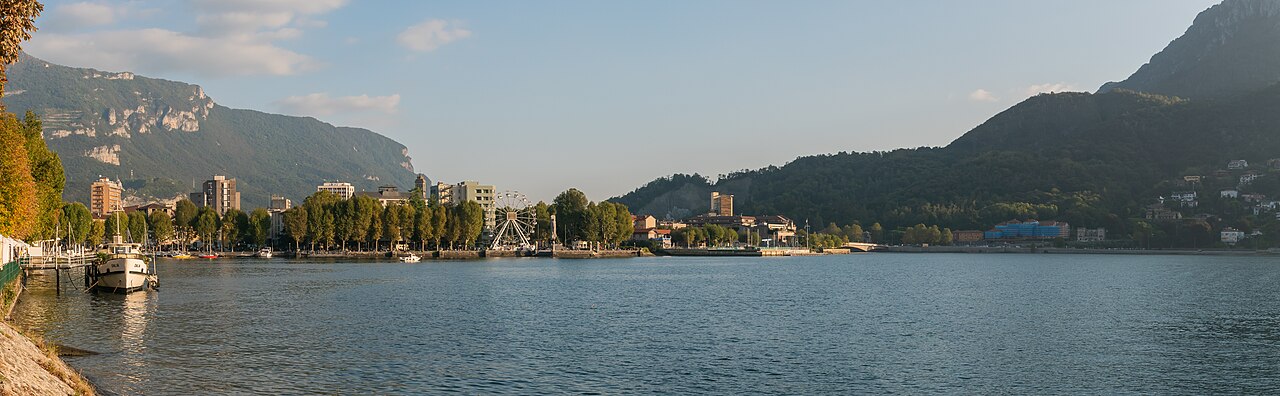
Swimmers enter the calm freshwater, sighting the opposite bank as the lake stretches out ahead of them. Organized by the Società Canottieri Lecco, the event is run as a timed non-competitive crossing that awards category rankings at the finish. The format allows participants to test their pace against the clock or simply savour the open water crossing alongside fellow swimmers. Safety regulations on the lake are strictly defined. Every swimmer is required to tow a personal safety buoy throughout the crossing, while wetsuits, swim caps, and goggles are permitted. Swim fins and paddles are not allowed. Throughout the two-kilometre crossing, the field is closely accompanied by dedicated support boats, qualified rescue staff, and medical personnel stationed across the course.
The Lecco to Malgrate crossing
The organisers of the Cano Open Water reserve the right to split the start into a maximum of three waves, not necessarily uniform, based on entry times and the sex of the participants. Times at the Cano Open Water are ranked in three groups, competitive swimmers, masters and amateurs, each split into under and over 45 and into women and men. Malgrate, the town on the far shore of the crossing, faces the final stretch of the Lario directly opposite Lecco. The first settlement at Malgrate was most probably called Antesitum, meaning 'beach placed ahead'. The lake waters around Lecco hold a great variety of fish, among them trout, pike, alborelle, chub, agoni and perch.
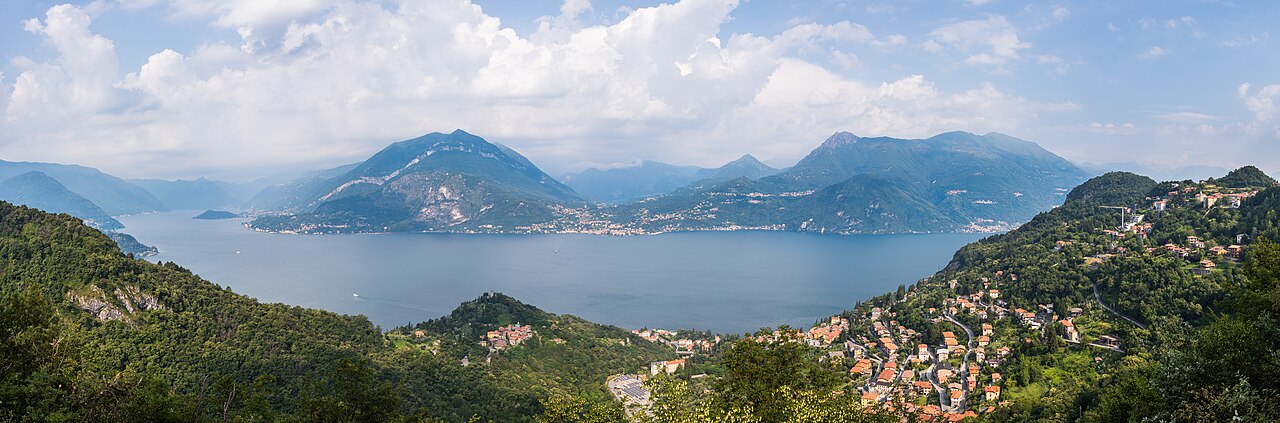
The Adda outlet: where Lake Como becomes a river
About eleven kilometres away, the limestone massif of the Grigna descends steeply toward this eastern arm of the lake. The massif also preserves rare endemic plant species that survive as biological remnants from the Quaternary glaciation.
Monte San Martino: the limestone towers over the course
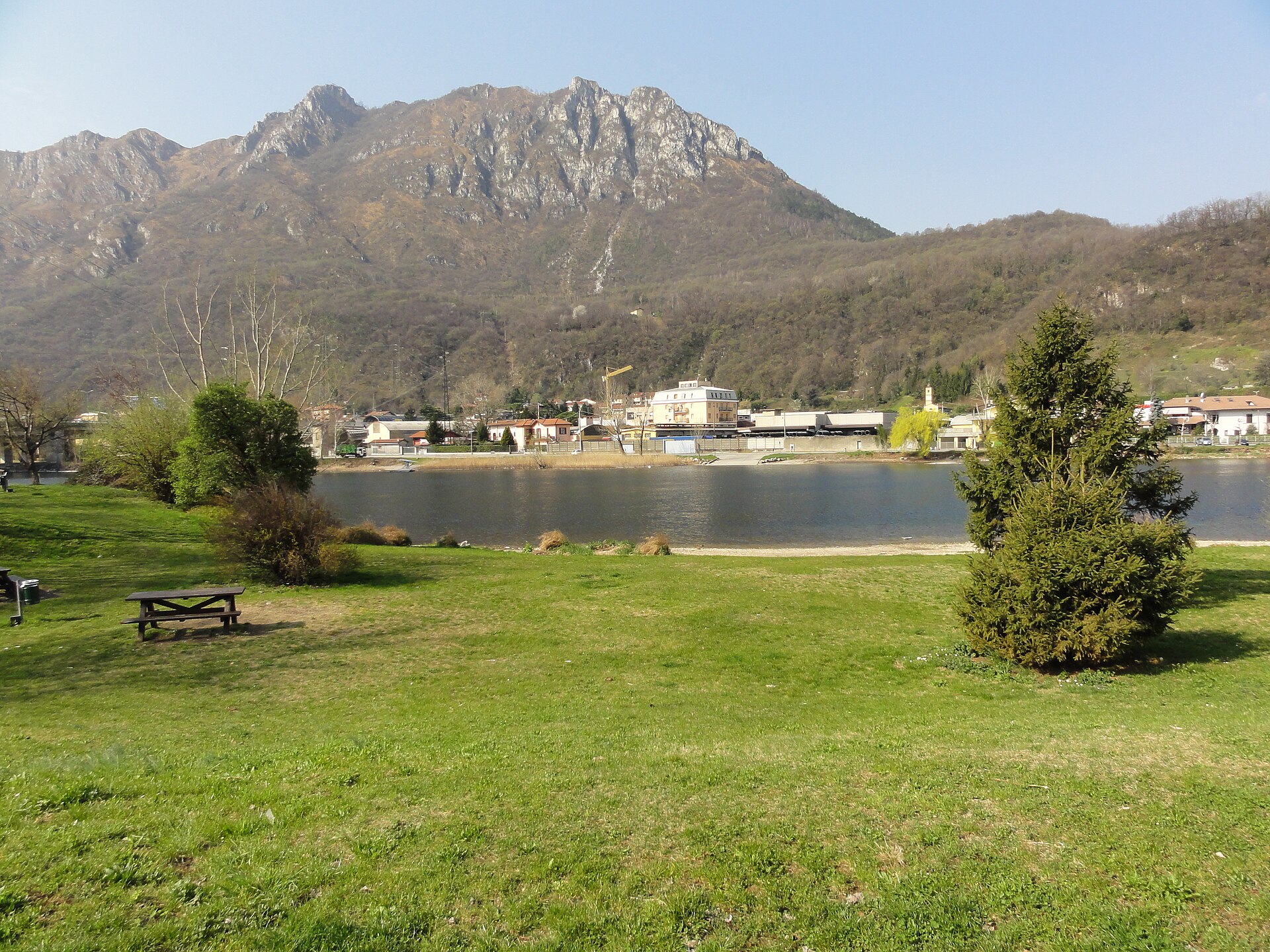
About two kilometres from the race area, Monte San Martino rises almost vertically straight out of the water at an altitude of 200 metres. To the northwest, the mountain slopes drop toward Lake Como through an imposing rocky wall. The sheer rock wall slopes down directly into the lake through a series of rocky towers called the Pizzetti. At the foot of these vertical crags, the lakeside locality of Pradello marks the trailhead where the Tecett equipped path begins. High above on a wooded ledge between the mountain face and the Coltignone rocks sits the Riccardo Piazza refuge. The refuge features a wide natural terrace overlooking Lake Como, providing a panoramic vantage point over the lake waters below.
The Visconti bastion: Lecco's medieval fortified harbour
The urban shoreline where the race begins has guarded lake trade since early medieval times. In the 10th century, a stone fortification was built in the Castello area under one kilometre from the race area to protect town warehouses, lakeside shipyards, and growing commercial markets. By the 14th century, the ruling Visconti family erected the Torre Viscontea as a defensive watchtower. The castle occupied a central position near the lake and served as the primary entry point to Lecco for travellers arriving from Milan. In 1117 the Lecco fleet besieged Como across the water while Milanese forces mounted a blockade by land. Between the late 15th and early 16th century, the Dukes of Milan expanded the lakeside defences into a fortified port annexed to the castle.
The complex formed a triangular layout with its base resting directly on the lake at the pier, complete with a defensive bastion and sentry box. The Gerenzone's artificial branch, the Fiumicella, filled the castle moat and powered three mills within the town walls. The fortified citadel stood until Emperor Joseph II ordered the demolition of the castle between 1782 and 1784.
Ponte Azzone Visconti: the fourteenth-century arches spanning the outlet
About one kilometre from the race area, the start of the Adda River is spanned by the Azzone Visconti Bridge, one of four bridges that cross the river within the town. Commissioned in the first half of the 14th century and constructed between 1336 and 1338, the bridge was built to carry traffic over the Adda. The original stone layout featured eight arches of unequal widths, two gate towers fitted with drawbridges, and a central fortress. Between 1349 and 1354, two additional spans were constructed on the western side of the bridge. In the 15th century, engineers added yet another span because of concerns that the heavy masonry piers were restricting water discharge from the lake during flood periods. Today the bridge extends across a total length of 131 metres. Between 1909 and 1910, a major restoration project widened the bridge deck by removing the original parapet walls and installing iron brackets.
Lakeside fortifications and border castles
Controlling the waterways around Lecco was essential for managing commerce and regional defence. About seven kilometres down the Adda valley, a Roman stone bridge once spanned the river between Olginate and Calolziocorte, defended by a Roman military outpost at Rossino positioned to control traffic and collect tolls. During the Venetian period, the Castello di Rossino functioned as a commercial hub where fish and other goods were actively traded. The castle's main building, known as the customs house, collected duties from merchants travelling between the Duchy of Milan and the Republic of Venice. Beneath the fortress, a branch of an underground tunnel network reached down to the Buliga stream in the locality of La Ca'. Further along the lake, about fourteen kilometres from the race area, Lierna Castle occupies a small peninsula extending out into Lake Como. The existing structures were built in the 10th century on top of older Roman foundations.
Lungolago di Lecco: washerwomen shores and the submerged patron saint
In the Middle Ages, the port of Lecco served as an active trading harbour that linked the region with Switzerland by way of the Stelvio and Spluga mountain passes. For generations, the shoreline was an unpaved, gentle slope that let cargo boats land directly while town washerwomen worked at the water's edge. Entering the lake here connects modern swimmers to an ancient tradition of shoreline life. The waterfront took on its modern shape in 1933, when the mouth of the Gerenzone river was closed and the shore was extended out into the lake and straightened to accommodate a road. Today the promenade begins at the mouth of the Caldone torrent. Just offshore from the promenade, a statue of Saint Nicholas was placed in the lake in 1955.
Sources: Lecco · Torre Viscontea (Lecco) · Mura di Lecco · Lungolago di Lecco · Azzone Visconti Bridge
Course
A 2000-meter course in the lake between Lecco and Malgrate, designed to test technique, endurance, and determination.
Awards
- Age group awards
Timed event with category-based rankings and final awards.
How to get there
Cano Open Water
Frequently asked questions
- When was the last edition of Cano Open Water?
- The last edition of Cano Open Water took place on June 13, 2026.
- What distances does Cano Open Water offer?
- Cano Open Water has a single distance: 2 km.
- Is a wetsuit required at Cano Open Water?
- Wetsuits are permitted.
- Where does Cano Open Water take place?
- Cano Open Water is a lake swim. Location: Lago di Como, Lecco, Lombardia, Italy.
- How do I register for Cano Open Water?
- The reference page for registering for Cano Open Water is https://openwatercano.it/.
Where to stay
Lecco offers a variety of stays ranging from boutique hotels on the historic port to traditional lakeside guesthouses. For those seeking independence, small apartments near the Lungolago provide easy access to the race village. Camping facilities are located within a short drive of the city center, offering options for those traveling with gear. Expect to pay between €120 and €220 per night for a double room during the June peak, with early booking recommended due to the proximity to the Regatta season.
Things to do nearby
The weekend in Lecco is defined by the verticality of the surrounding Pre-Alps. Outside of race hours, visitors can explore the lake via kayak or SUP to reach hidden coves inaccessible by road. Local mountain trails, such as those leading toward the Piani d'Erna, offer trekking paths with views over the entire basin. In the evenings, the city center hosts tastings of Valtellina-inspired cuisine, often paired with regional wines from the steep terraced vineyards that characterize the northern reaches of the lake.
Swimmers
Similar races


Comments
Transparency: some links on this page (stays, flights, experiences, gear) are affiliate links — if you book or buy through them, Omniathlon may earn a commission from the partner at no extra cost to you. As an Amazon Associate we earn from qualifying purchases.