
Trophée Cap Carifta 1ere étape - Défi DIDIER 113
- Oct 12, 2025
- Last edition date
- Distance: 3km
At a glance
- Last edition date
- October 12, 2025
- Distances
- 3 km
- Where
- Sea · Les Anses-d'Arlet, Martinique
- Registration
- ffneaulibre.fr
About the race
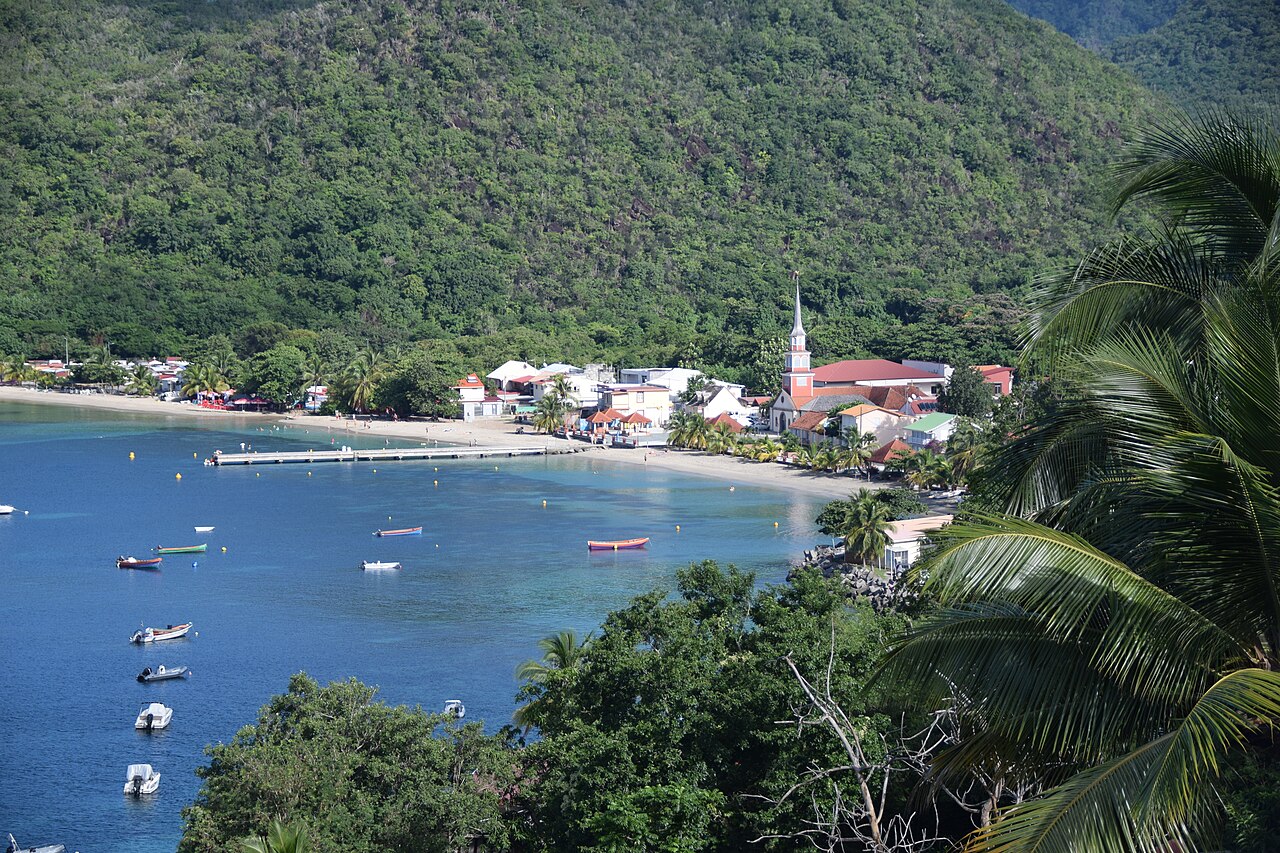
The Trophée Cap Carifta 1ere étape - Défi DIDIER 113 is an open water swimming race held in the sea at Les Anses-d'Arlet, Martinique; organized by the Ligue de Natation de Martinique, it gathers swimmers from across the island to test their speed in one of the Caribbean's most picturesque natural anchorages. Staged during October, the competition presents three distinct courses tailored to different levels of endurance: a 500-meter sprint, a 1,000-meter intermediate swim, and a 3,000-meter distance race. Swimmers plunge from the shore into clear, tropical saltwater while rhythmically navigating between the turnaround buoys. Over the years, the meet has established itself as an essential gathering for Caribbean aquatic talent, even serving in past editions as an official qualifying contest for the regional Carifta Games.
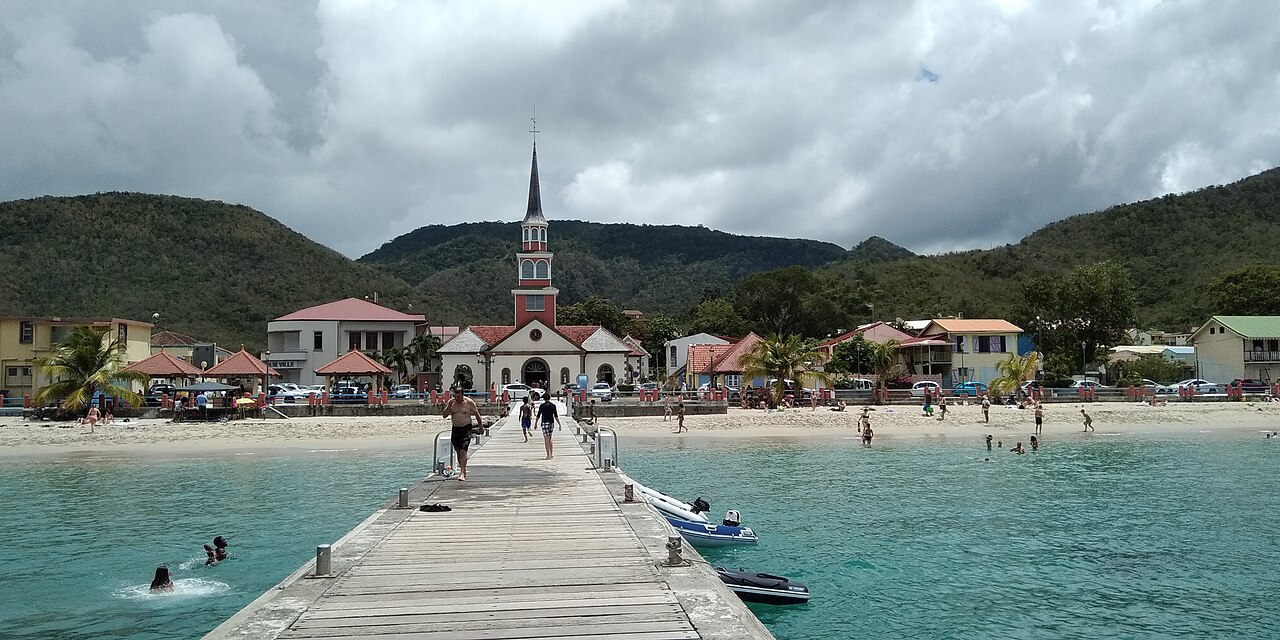
The Cap Carifta circuit, October water and the pier
Ten years of observations put the average October sea temperature around Martinique between 29.1°C (84 °F) at La Trinité and 29.2°C (85 °F) at Fort-de-France. The sea-race circuit of the Ligue de Natation de Martinique is made up of three stages: the Défi DIDIER113, the Coupe Wendy BADIAN and the Grand Prix de la CTM. In the Trophée Cap Carifta, swimmers in the Carifta open-water categories race a set distance at each stage, which is 3 km at the Défi DIDIER113, to validate their qualification for the Carifta selection. The top three swimmers in each category of the overall Trophée Cap Carifta ranking are selected for the 2026 Carifta Games open-water team. The Carifta open-water categories are girls and boys aged 14 to 15, born in 2011 and 2012, and aged 16 to 18, born in 2008, 2009 and 2010. The church of Saint-Henri stands at the edge of the beach in the village of Les Anses-d'Arlet, in exact alignment with the pier.
The coral shallows and sea turtles of Les Anses-d'Arlet beach
What sets the bay of Les Anses-d'Arlet apart from conventional race venues is the vibrant marine world visible beneath every stroke. Swimmers glide over crystalline waters where healthy coral formations rise from the sandy seabed just yards from the main pier and the sand. Darting between the coral heads, schools of colorful reef fish weave through the light beams filtering down through the surface. The visibility through the tropical water transforms the swim into an effortless drift across a living reef, where navigating along the marked course doubles as an underwater safari. It is an environment that rewards keeping your eyes open beneath the surface, turning the final stretch toward the sand into an encounter with wild marine life.
Diamond Rock: the stone frigate and offshore wildlife sanctuary
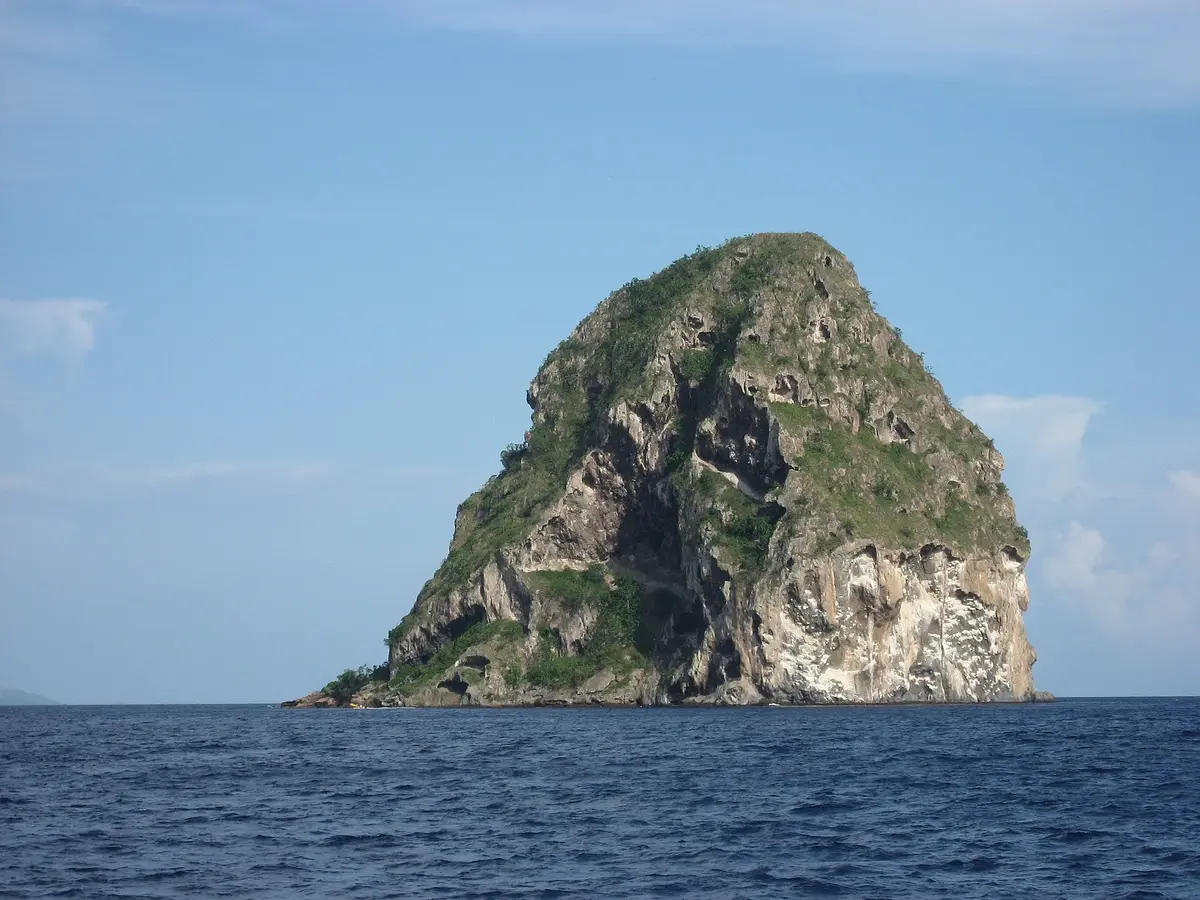
Diamond Rock boasts a bizarre chapter of naval warfare: in February 1804, the British Royal Navy officially commissioned the isolated crag as a stone frigate under the name HMS Diamond Rock. To maintain their improbable garrison atop the rock, British sailors made their sleeping quarters inside natural cliffside caves and carved out a functioning hospital inside a cavern at the waterline. The British occupation held the natural fortress for well over a year until June 1805, when an earth tremor fractured their stone freshwater cistern, ultimately compelling the thirsty garrison to surrender to the French. Relieved of its military cannons, the uninhabited rock has since reverted to a wild offshore haven.
Diamond Rock is designated an Important Bird Area, providing nesting sanctuaries on its sheer rock ledges for thriving colonies of brown boobies, brown noddies, and bridled terns. Biologists also view its predator-free cliff faces as a possible last surviving sanctuary for the rare, elusive couresse grass snake. Deep beneath the ocean swells surrounding the rock, an enormous triangular underwater cavern attracts adventurous scuba divers to its dark vaults.
Fort Saint Louis: naval battles and scuttled frigates in the bay
Roughly fifteen kilometers up the coast, guarding the northern approaches across the water, stands Fort Saint Louis on a rugged rocky peninsula. Originally established as a wooden citadel on a steep-sided promontory, the fortification was strengthened between 1677 and 1687 with a massive 487-meter defensive wall that wraps along the headland. Its strategic placement turned the nearby roadstead into the main stage for centuries of fierce naval clashes between rival colonial empires. The headland saw intense combat during the Dutch naval invasion of 1674, when an enemy fleet launched an all-out assault against the anchorage at Fort-Royal. The French defended the harbor with two unfortified artillery positions placed right at the water's edge, while a captain deliberately scuttled his ship to choke the passage into the Carénage.
To completely close the deep-water navigation channel against the invading armada, defenders scuttled two more merchant vessels and stretched a heavy floating boom across the inner harbor entrance. Centuries of maritime warfare continued to reshape the headland, with British forces finally seizing the fort in 1762 after bombarding its ramparts from the dominating hills of Morne Garnier and Morne Tartenson. Another daring British capture followed in 1794, when a naval commander steered his armed sloop straight up to the sea walls and stormed ashore with landing boats. The underwater archaeology of the anchorage deepened further in February 1809, when the French frigate Amphitrite was purposely scuttled in the harbor waters to prevent it from falling into British hands. The sunken vessel lay hidden in the sediment for over a century until 1960, when port construction crews uncovered the frigate's hull, eventually salvaging copper sheathing and preserved timber relics from the seabed.
Fort-de-France Bay: mangrove wetlands and marine fauna
The eastern margins of the inlet protect 3,361 hectares of dense mangrove forest, forming the largest contiguous wetland ecosystem on the island. These brackish, tangled waterways are officially recognized as an Important Bird Area, providing nesting and foraging grounds for caribs, hummingbirds, and flycatchers that flit among the canopy. For open water swimmers, this blend of untamed nature, rich naval history, and transparent, turtle-rich waters makes lining up along the sand at Les Anses-d'Arlet a quintessential Caribbean experience.
Sources: Diamond Rock
Course
Awards
The top 3 swimmers in the overall Trophée Cap Carifta ranking per category will be selected for the 2026 Open Water Carifta Games.
Previous editions
- 2025results
How to get there
Trophée Cap Carifta 1ere étape - Défi DIDIER 113
Frequently asked questions
- When was the last edition of Trophée Cap Carifta 1ere étape - Défi DIDIER 113?
- The last edition of Trophée Cap Carifta 1ere étape - Défi DIDIER 113 took place on October 12, 2025.
- What distances does Trophée Cap Carifta 1ere étape - Défi DIDIER 113 offer?
- Trophée Cap Carifta 1ere étape - Défi DIDIER 113 has a single distance: 3 km.
- Where does Trophée Cap Carifta 1ere étape - Défi DIDIER 113 take place?
- Trophée Cap Carifta 1ere étape - Défi DIDIER 113 is a sea swim. Location: Les Anses-d'Arlet, Martinique.
- How do I register for Trophée Cap Carifta 1ere étape - Défi DIDIER 113?
- The reference page for registering for Trophée Cap Carifta 1ere étape - Défi DIDIER 113 is https://www.ffneaulibre.fr/evenements/liste/6328/trophee-cap-carifta-1ere-etape-defi-didier-113-les-anses-d-arlet/page/2/club/DESC.
Where to stay
Les Anses-d'Arlet offers a range of options, from traditional Creole-style wooden cottages near the coast to boutique hotels overlooking the harbor. For those preferring direct access to the sea, small beach-front apartments are common, with prices typically ranging from €90 to €220 per night depending on proximity to the water.
Things to do nearby
Beyond the race, the area is suited for exploring the local marine environment through kayak and SUP tours that navigate the shallow reefs. Inland, guided trekking trails lead through the lush vegetation of the interior, while coastal villages offer opportunities to sample local rum and traditional Creole cuisine at small, family-run establishments.
Swimmers
Other races by this organiser
Similar races


Comments
Transparency: some links on this page (stays, flights, experiences, gear) are affiliate links — if you book or buy through them, Omniathlon may earn a commission from the partner at no extra cost to you. As an Amazon Associate we earn from qualifying purchases.