
SWA OWS Series: Koombana Bay
- Jan 23, 2027
- Distances from 500m to 10km
At a glance
- Next edition date
- January 23, 2027
- Distances
- 500 m · 1.3 km · 2.5 km · 5 km · 7.5 km · 10 km
- Where
- Sea · Koombana Bay, Bunbury, Western Australia, Australia
- Entry fee
- 500 m: 38.5 AUD · 1.3 km: 76 AUD · 2.5 km: 82.5 AUD · 5 km: 87 AUD · 7.5 km: 93.5 AUD · 10 km: 98 AUD
- Registration
- openwaterswimming.com.au
About the race
Inside the curved amphitheatre of Koombana Bay, the ocean water flattens behind a century-old breakwater while resident wild bottlenose dolphins cruise along the shore. The SWA OWS Series: Koombana Bay is an open water swimming race held in the sea at Koombana Bay in Bunbury, Western Australia. Organized by Swimming WA, the gathering takes place in January and has welcomed open water swimmers to Bunbury across most seasons since 2016. Swimmers take to the sea across a comprehensive range of course lengths designed for every category of endurance. Distances start at a 500-metre sprint and scale progressively to 1,250 metres, 2,500 metres, 5,000 metres, 7,500 metres, and a full 10,000-metre marathon.
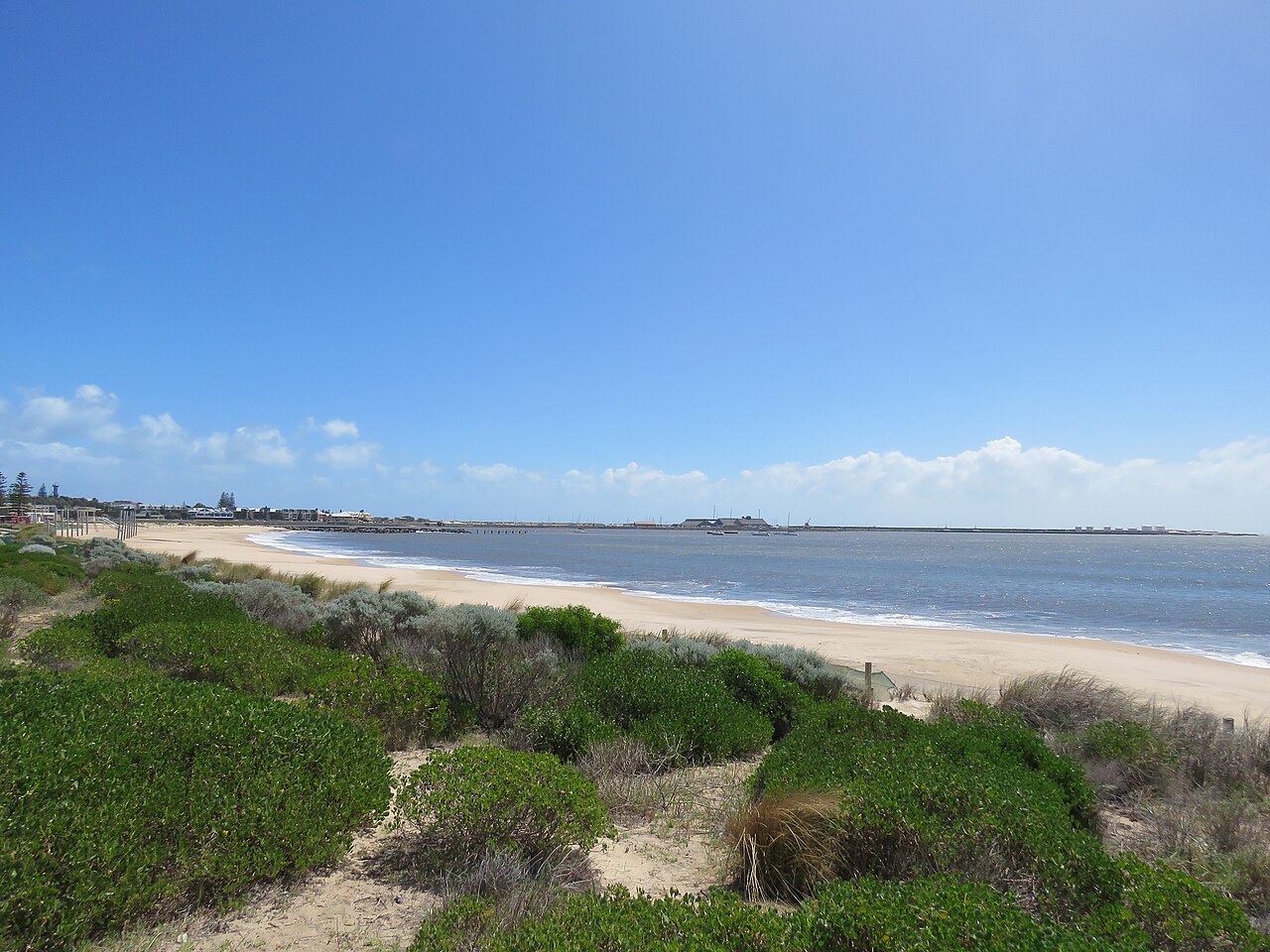
While swimming along the Western Australian coast often involves contending with heavy swells and turbulent breaks, this stretch of coastline is tucked neatly into a sheltered pocket. Framed like a natural amphitheatre, the bay keeps rolling ocean surf firmly locked outside. The protected venue offers calm, pristine waters where you can settle into a steady stroke without having to battle chaotic surf.
Where the Collie River meets the Leschenault Estuary
Bunbury sits right at the confluence where both the Preston River and the Collie River empty out into Koombana Bay. Behind the bay, the Collie River catchment area stretches inland across more than 3,000 square kilometres of regional Western Australia. These river waters carry a long colonial exploration history that began in the early nineteenth century. In November 1829, Alexander Collie and Lieutenant William Preston became the first Europeans to chart the course of this river system. About seven kilometres away along the coast, the broader aquatic system opens into the Leschenault Estuary, a vast tidal water body spanning 13.5 kilometres in length and 2.5 kilometres across. Formed over thousands of years as marine currents built up an extensive sand dune system that began developing 7,000 years ago, the estuary eventually split into two sections 4,500 years ago when the drifting sands reached the eastern shore.
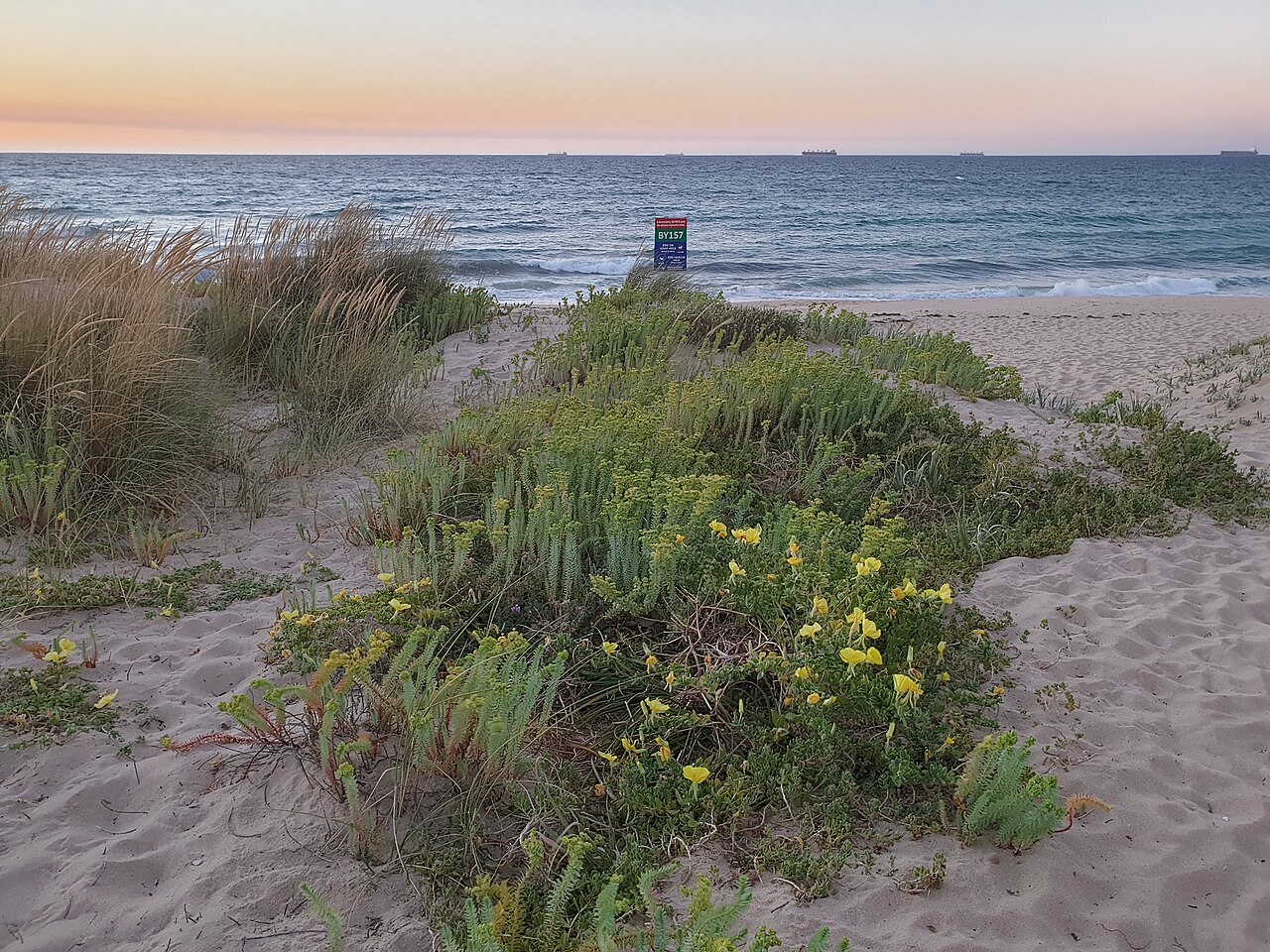
Wild dolphins and ancient mangroves of the Leschenault Inlet
Beneath the pristine surface of Koombana Bay lives one of the coastline's most celebrated wildlife populations. Wild bottlenose dolphins frequent the calm waters on a regular basis, swimming freely right up to the shoreline. The bay features a designated interaction zone at the water's edge where you can watch them gliding through the shallows. Running immediately alongside Koombana Bay, the sheltered waters of the Leschenault Inlet shelter another extraordinary ecological treasure. Here grows a rare stand of white mangroves, recognized as the southernmost mangrove colony in Western Australia.
From Wardandi fishing waters to French navigators in Bunbury
Long before European ships dropped anchor on this coastline, the Wardandi Aboriginal people lived along these shores. They hunted and fished across the rich waterways of Bunbury for countless generations prior to colonial settlement. The bay itself honors this heritage: its name comes from the Noongar word 'Koombarra', which translates to 'big'. European navigators first recorded the area in 1803, when the French expedition commander Captain Louis de Freycinet logged the earliest registered sighting of the shoreline. By the 1830s, operations along the coast continued into the 1850s. Later in the century, timber harvested in the surrounding forests was floated down the Collie River to be loaded onto tall ships bound for overseas ports. To safeguard shipping and provide permanent shelter for the port, a breakwater was constructed in 1903. Today, in the Marlston Hill district, an old historic lighthouse and a lookout tower still stand.
Life along the Koombana foreshore and the Casuarina Harbour
That seafaring past is woven directly into the public promenade lining the race beach. The Koombana Bay foreshore features an architectural pedestrian bridge built with curving overhead ribs that echo the wooden hull of an old whaling vessel. A short walk further along the lawn brings you to a nautical-themed children's playground crowned with two large red funnels that resemble an ocean liner. After finishing your swim and stepping off the sand, the post-race gathering centers on the 62Thirty Café, located directly on the Koombana Bay foreshore with expansive views out over the waves. At the southern end of the beach sits The Plug, the local name for the bridge and breakwater structure connecting Koombana Bay to the Leschenault Inlet. Both The Plug and the nearby rock walls of the Casuarina Boat Harbour are renowned as productive local spots for catching squid.
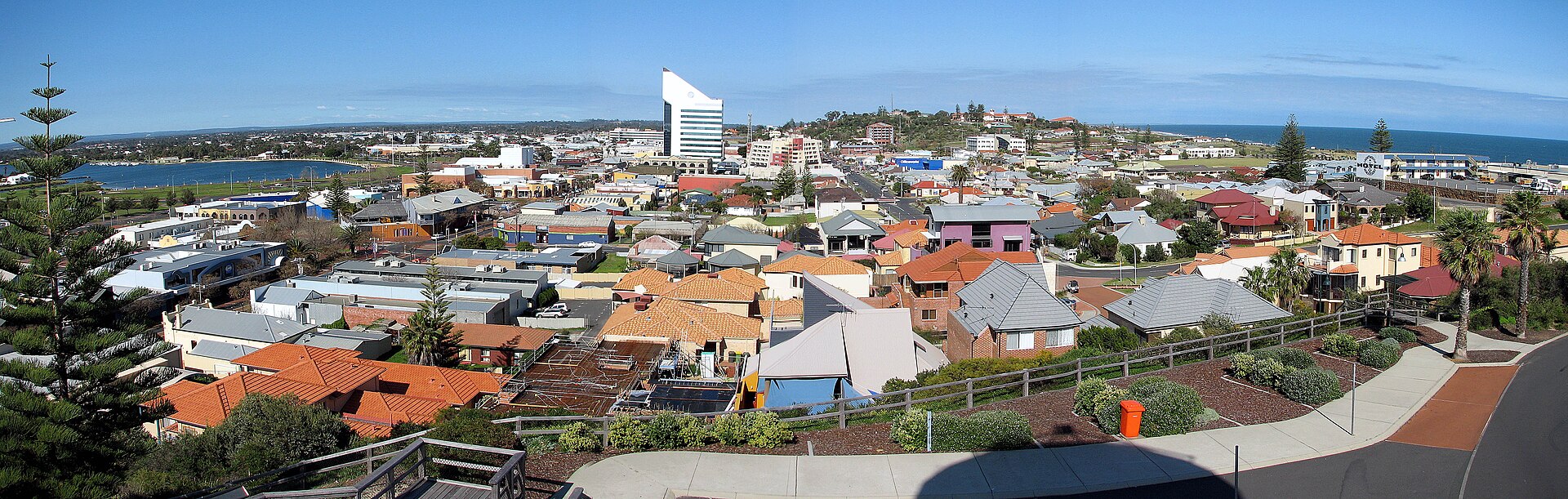
Sources: Bunbury, Western Australia · Bunbury woodchip bombing
Course
How to get there
SWA OWS Series: Koombana Bay
Frequently asked questions
- When is SWA OWS Series: Koombana Bay?
- SWA OWS Series: Koombana Bay takes place on January 23, 2027.
- What distances does SWA OWS Series: Koombana Bay offer?
- SWA OWS Series: Koombana Bay offers 500 m, 1.3 km, 2.5 km, 5 km, 7.5 km, and 10 km.
- How much is the entry fee for SWA OWS Series: Koombana Bay?
- Entry fees by distance: 500 m: 38.5 AUD · 1.3 km: 76 AUD · 2.5 km: 82.5 AUD · 5 km: 87 AUD · 7.5 km: 93.5 AUD · 10 km: 98 AUD. Standard entry prices for SWA OWS Series. Non-members require a Day Licence in addition to entry prices ($5 for 500m, $25 for all other distances).
- Where does SWA OWS Series: Koombana Bay take place?
- SWA OWS Series: Koombana Bay is a sea swim. Location: Koombana Bay, Bunbury, Western Australia, Australia.
- How do I register for SWA OWS Series: Koombana Bay?
- The reference page for registering for SWA OWS Series: Koombana Bay is https://www.openwaterswimming.com.au/events-ows/.
Where to stay
Bunbury offers a range of stays from boutique hotels overlooking the historic harbor to relaxed caravan parks located just steps from the sand. Most options are concentrated within a 10-minute drive of Koombana Bay. You can expect to pay between $150 and $300 per night for standard coastal lodging, while self-contained holiday apartments near the city center vary based on seasonal demand.
Things to do nearby
Beyond the race, the region is defined by its maritime heritage and natural encounters. Visitors often head to the Dolphin Discovery Centre for a closer look at the local pod or rent a kayak to paddle the protected inlet. For those seeking land-based activity, the nearby Tuart Forest provides trails through some of the last remaining old-growth forests of its kind, while the local vineyards offer a contrast to the coastal intensity of the swim weekend.
Swimmers
Other stages of this series
- SWA OWS Series: CoogeeCoogee, AU
- SWA OWS Series: RockinghamRockingham, AU
- SWA OWS Series: MullalooMullaloo, AU
- SWA OWS Series: SorrentoSorrento, AU
- New Town Toyota Round 6: City to ScarbsCity Beach, AU
- WA’s Big Ocean RelayNorth Cottesloe, AU
Similar races


Comments
Transparency: some links on this page (stays, flights, experiences, gear) are affiliate links — if you book or buy through them, Omniathlon may earn a commission from the partner at no extra cost to you. As an Amazon Associate we earn from qualifying purchases.