We are a strange species. We pay good money, sign liability waivers, sometimes squeeze into neoprene wetsuits, and plunge into waters that are often colder than is reasonable. We do all this to simulate the desperate escape of lifers and death row inmates.
Let's be honest, when it comes to prison breaks, deep down, we are all rooting for the fugitive. The idea of a human being alone, challenging oppressive currents and reinforced concrete with the sheer strength of their muscles and willpower, has a magnetic appeal. There is something Homeric about an escape by swimming: it is the ultimate challenge to our limits, the overcoming of an imposed boundary, the physical and brutal embodiment of the concept of freedom. Today, open water competitions that mimic prison escapes are born from exactly this romantic instinct: we like the idea of measuring ourselves against that same terror, but knowing that at the finish line there is a volunteer waiting for us with a smile and a finisher's medal, right in front of a kiosk to refuel with a sports drink instead of a policeman with handcuffs and perhaps a firing squad.
The invention of a myth: the perfect escape
There is a funny detail in all this sporting epic: the escape by swimming is almost entirely a literary fiction. Although many escapes from high-security prisons actually occurred, real fugitives used much more pragmatic means like motorboats, stolen sailboats, or even helicopters, as the boss Escadinha did in Brazil in 1985. No one really relied on a desperate crawl through shark-infested waters.
Yet, the romantic idea of the escape by swimming is a very powerful topos. It was Alexandre Dumas, first of all, who made us dream of freedom earned through strokes.
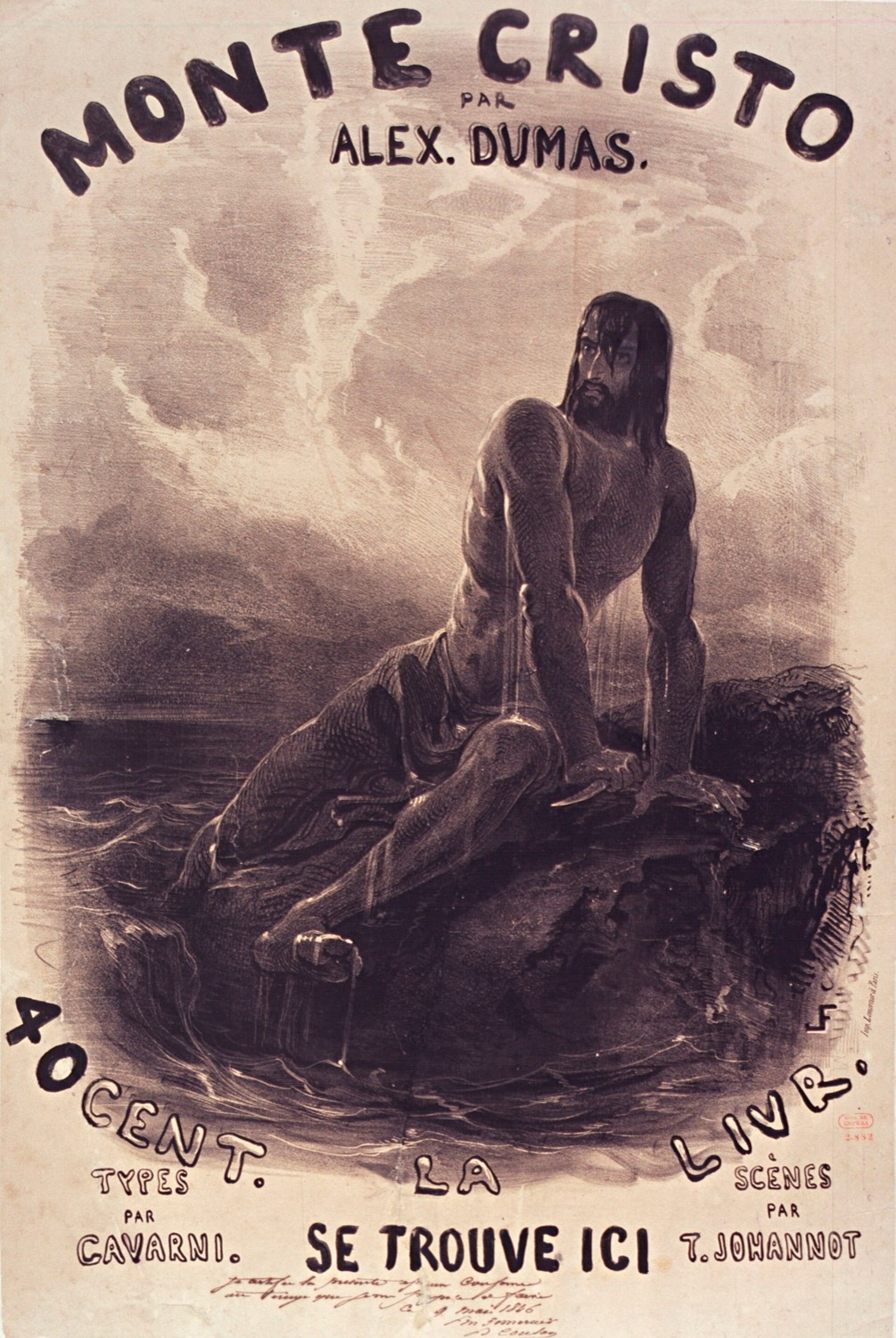
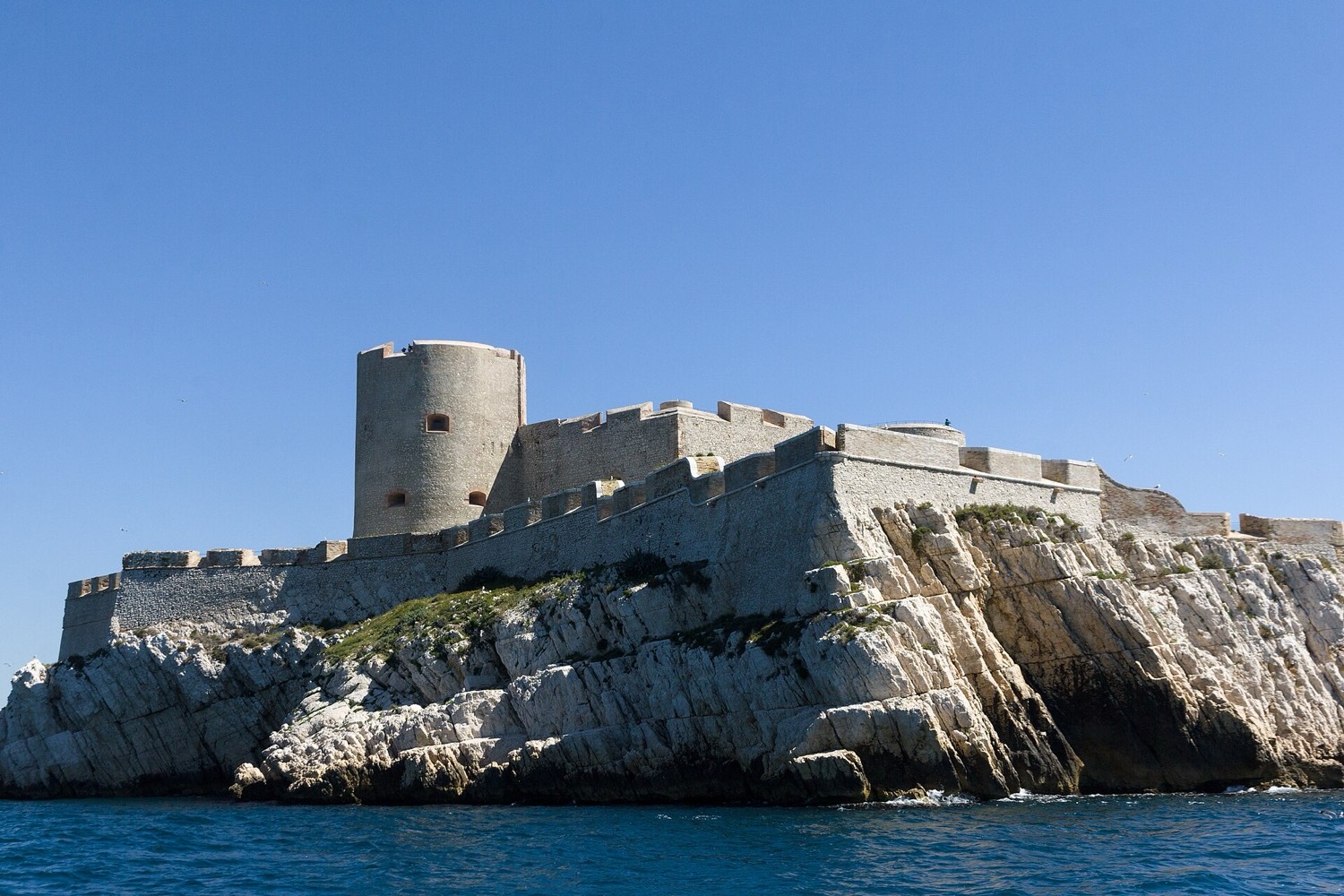
The Château d'If was a state prison off the coast of Marseille from 1540 to 1914. In nearly four centuries, there is no documented record of a single successful escape. But Edmond Dantès, replacing a corpse in a shroud, cut the fabric and escaped by swimming in the pages of The Count of Monte Cristo. From that moment on, we stopped believing the records and started believing the myth.
Same story for Devil's Island, in French Guiana. Henri Charrière set his legendary escape on the back of coconut sacks there in Papillon. A formidable novel, it's just a pity that he never set foot on that island: French criminal records assign him two years in the cells of Île Saint-Joseph, right next door, and the actual escape from the forest, on the mainland. Cornered about the inconsistencies, Charrière defended himself by claiming that the book was «75 percent true».
The Frenchman Jacques Tuset took part in the first swim crossing of that island, fourteen kilometers, and he hasn't stopped since. He was inducted into the International Marathon Swimming Hall of Fame in 2018, when he had a record of 55 prison-island swims. Today he claims more than seventy and we can consider him a specialist in the field.
The three most famous island escapes in the world are a novel, a fake, and a rumor (that of the prisoners of Rottnest Island, in Australia). But it doesn't matter. The collective imagination has filled the gaps in history with the legends it wanted to hear.
Water as a zero-cost wall
In reality, the water was not the escape route but the prison itself. A zero-cost wall that requires no maintenance and doesn't work guard shifts.
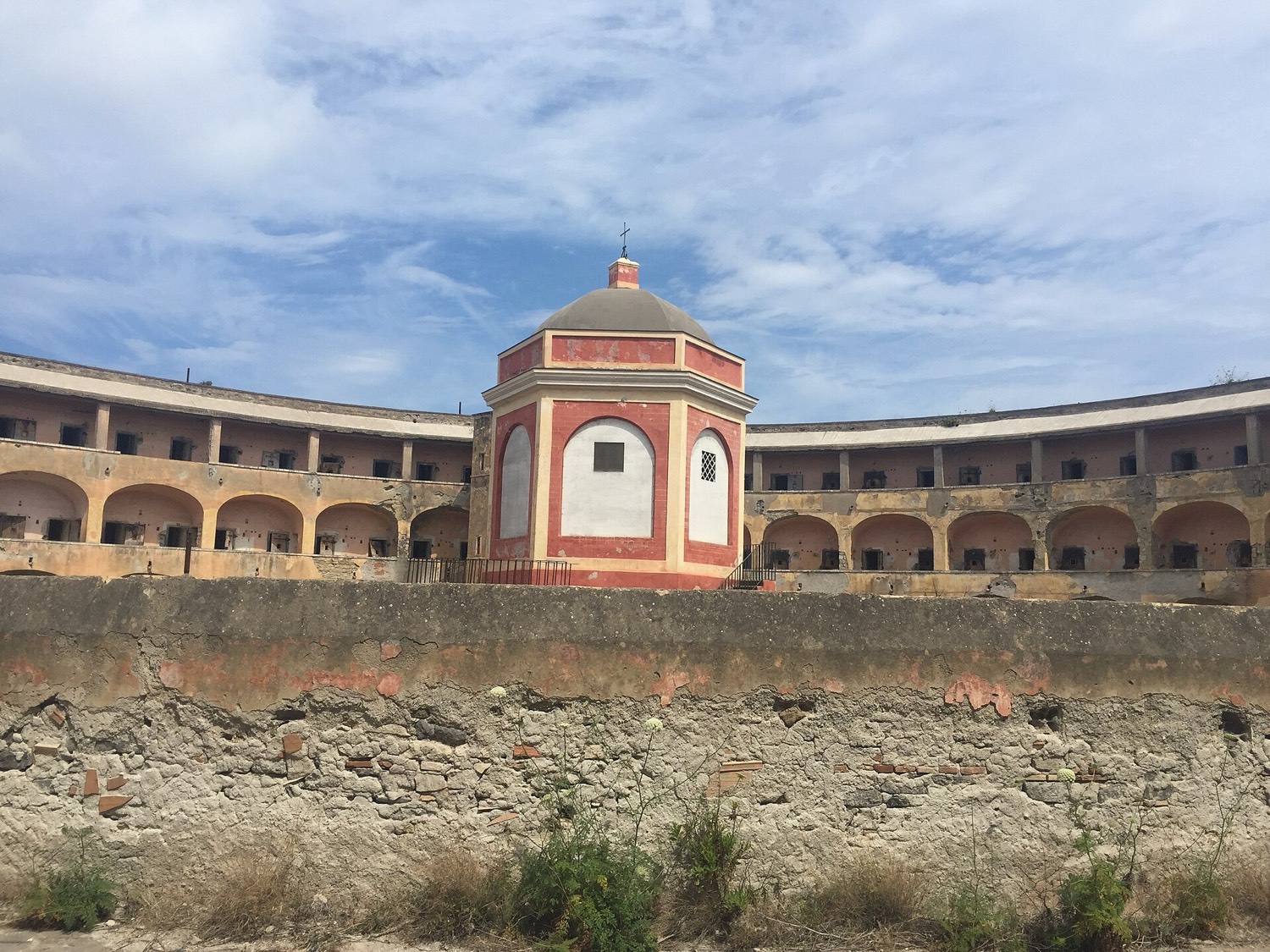
When the engineer Francesco Carpi built the Bourbon prison of Santo Stefano at the end of the eighteenth century, he followed the frightening Panopticon layout theorized by Jeremy Bentham. The cells in a circle, the guard tower in the center, the slit windows to erase the view of the horizon. But the real warden was the Tyrrhenian Sea.
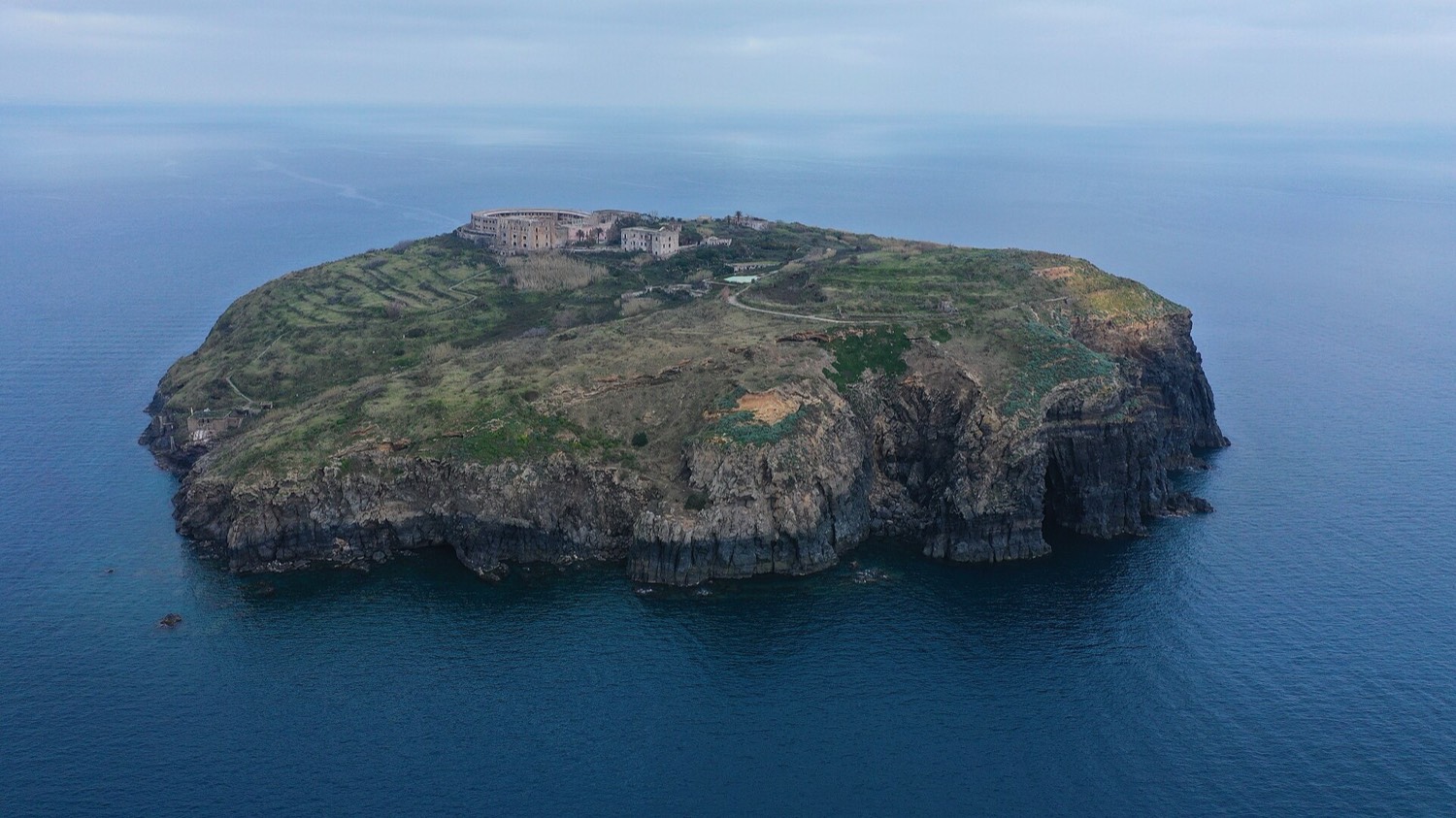
The authorities spread the rumor that the bodies of the dead, thrown into the sea, attracted schools of man-eating sharks. It was pure psychological terrorism. The only man who ever tried to escape by swimming from there was Giovanni Scalfi. In August 1956 (although the Ventotene race website dates the episode to 1958), he lowered himself with a sheet, swam to Ventotene, and then stole a small sailboat. He was pushed by the winds onto the beach of Ischia, where the Carabinieri arrested him while he was drying off.
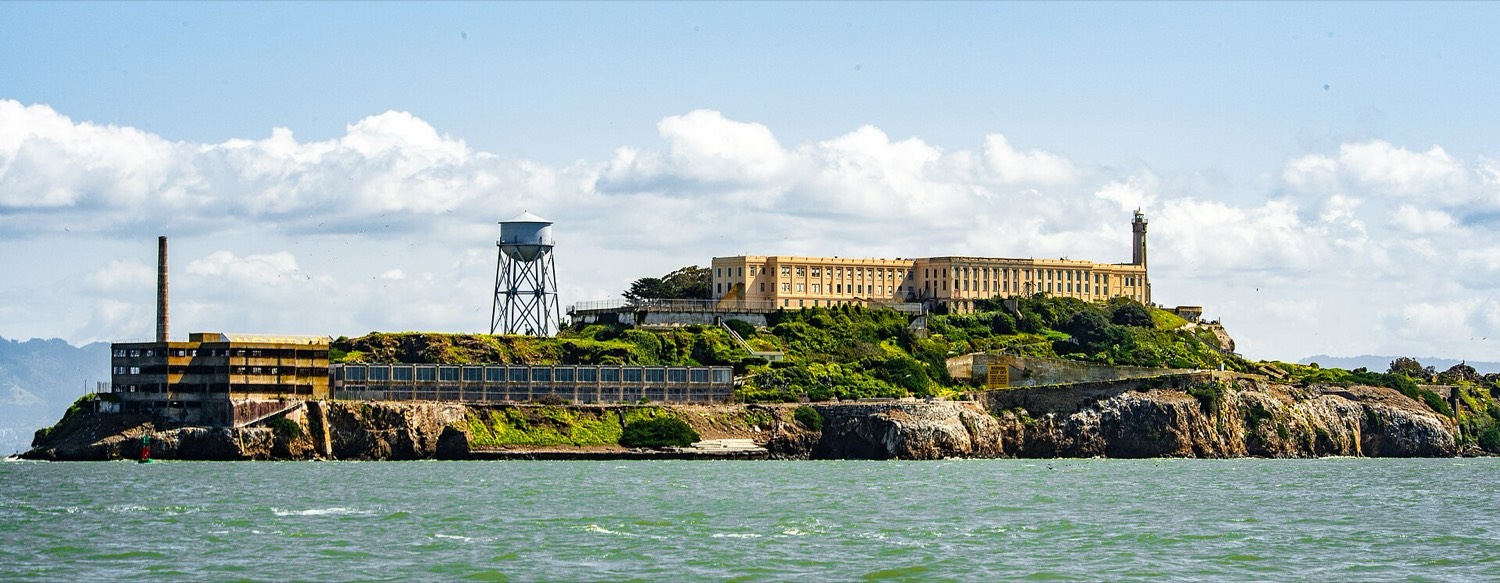
On the other side of the planet, Alcatraz used the same principle. Between 1934 and 1963, for America's most dangerous criminals, the San Francisco shore was just 1.25 miles (two kilometers) away. But in winter the water temperature drops to about 12 °C and the wild currents travel at over 6 knots.
On June 11, 1962, Frank Morris and the Anglin brothers (yes, those from the film with Clint Eastwood) tried. A raft made with rubber raincoats and papier-mâché heads in the bed. The official report lists them as drowned, but everyone is rooting for them.
The only one who made it (in his own way) was John Paul Scott in December 1962. He jumped into the freezing waters and swam for three miles to Fort Point. He arrived alive, they recovered him frozen, and took him back to his cell. His crossing did not become a myth: it was downgraded to a capture report.
Sweating and swimming for fun
There is a certain irony: today, escapes are not made by convicts, but by athletes, and they even pay an entry fee to be able to do it.
The Défi de Monte-Cristo in France, born in 1999, is an athlete-grinding machine: sixteen different races from one to six kilometers, spread over two weekends in June and a finale in La Ciotat in September. For 2026, the organizers announced nearly 10,000 registrants — staggered, certainly not all in the water together. Since 1999, 60,000 swimmers have descended into the waters of Marseille. The premier event, the five-kilometer race, starts from the Château d'If: from there, when it was a prison, it appears no one ever escaped. They are all chasing the ghost of Dumas.
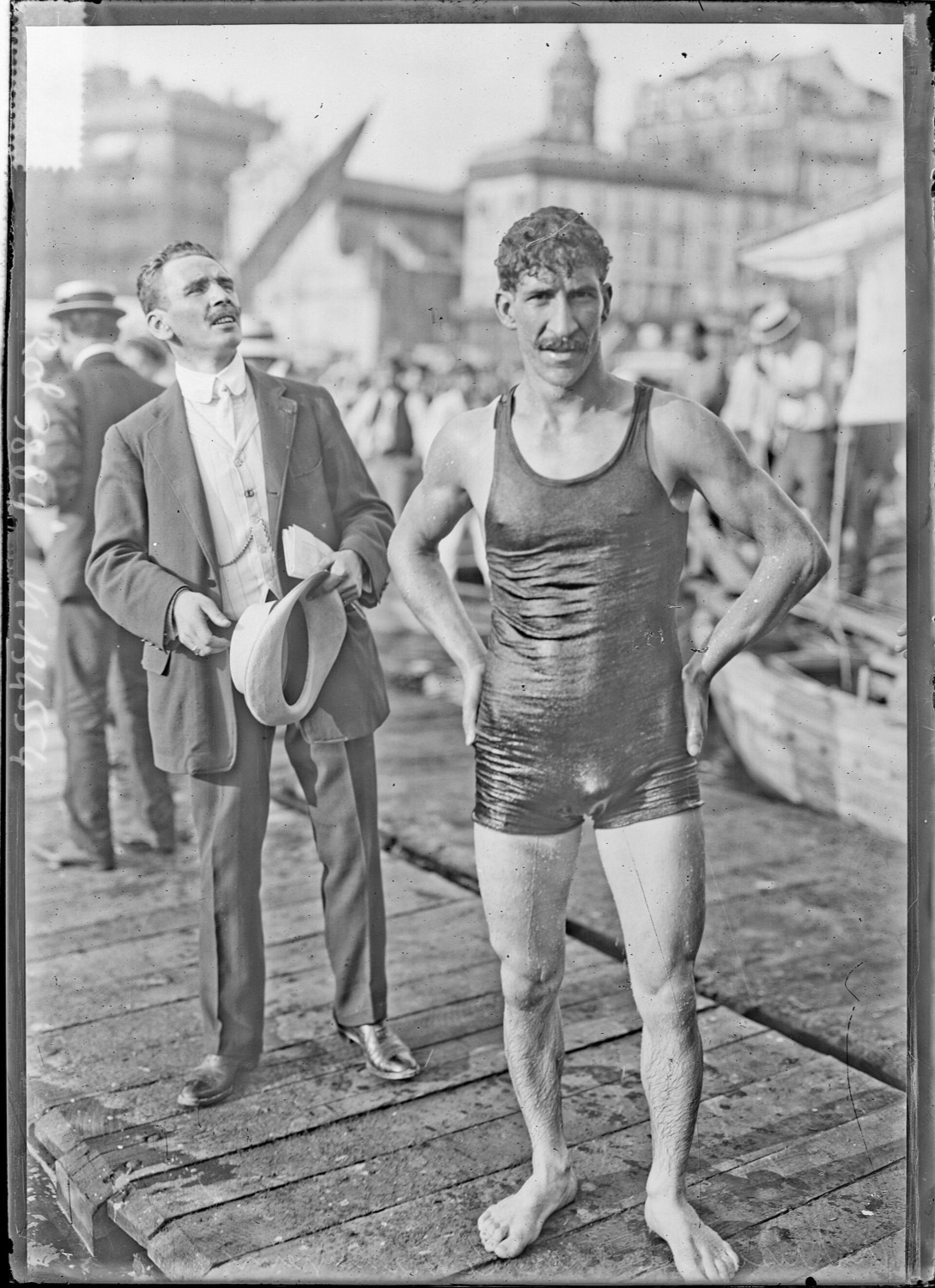
At Alcatraz, the Sharkfest Swim has been bringing open water swimming tourists to challenge the bay for thirty-three editions: the organizers swear they have escorted more than 20,000 swimmers to the finish line.
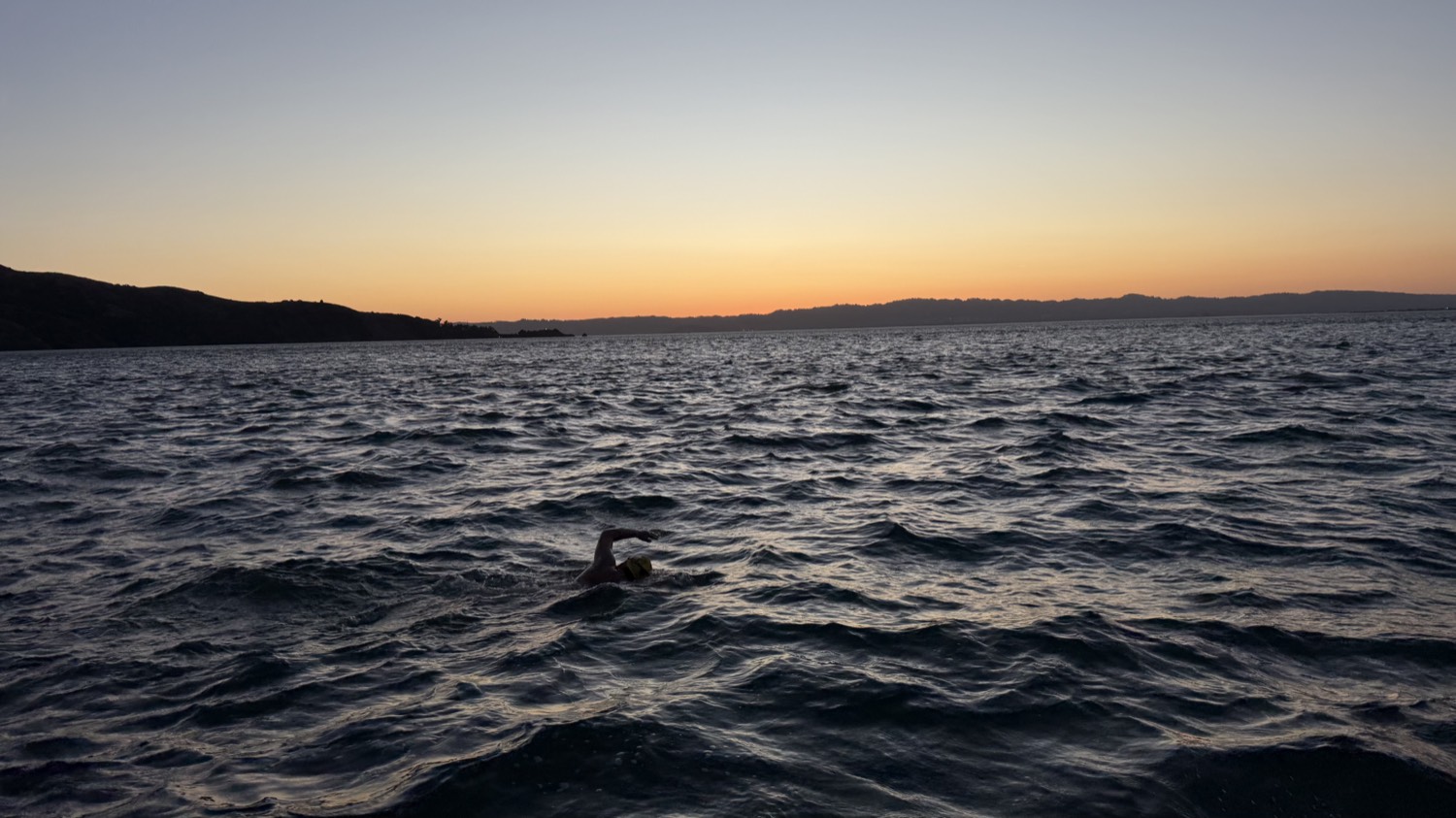
Trump would like to reopen the Alcatraz prison as a high-security facility, but he probably doesn't know all these things...
Starting from the island of Santo Stefano on September 7, 2025, two hundred and twenty-four people arrived by swimming at the beach of Cala Nave, in Ventotene. They had just completed the Escape from Santo Stefano. It is an open water event of 2.5 km that starts from pier 4 of the nearby island.
At Robben Island, the Cadiz Freedom Swim involves 7.5 km of strokes in the ocean. A guy named Theodore Yach did it 68 times alone.
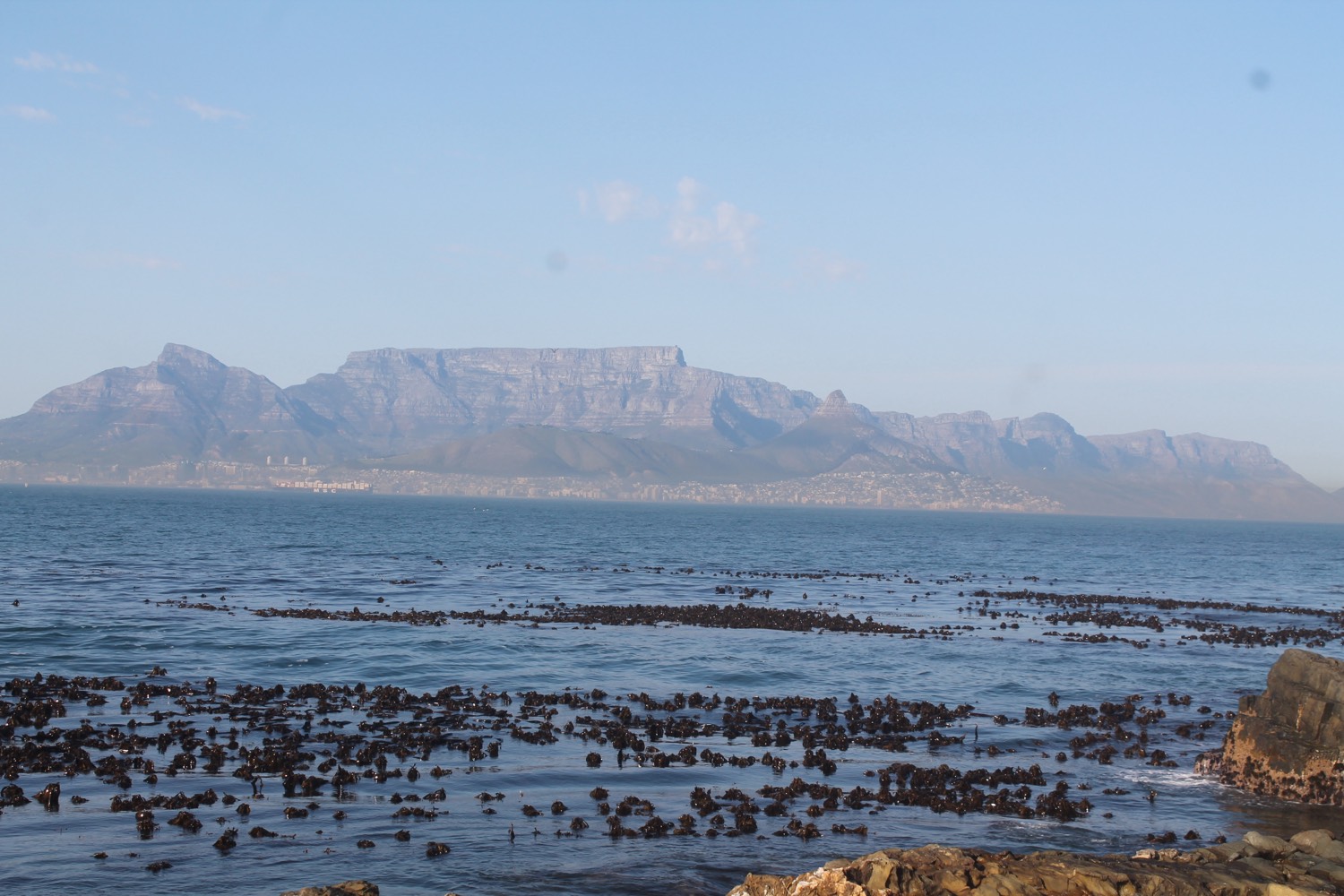
In Brazil, the Fuga da Ilha Grande brings an average of 50 athletes to cover a 13 km ocean course toward the mainland.
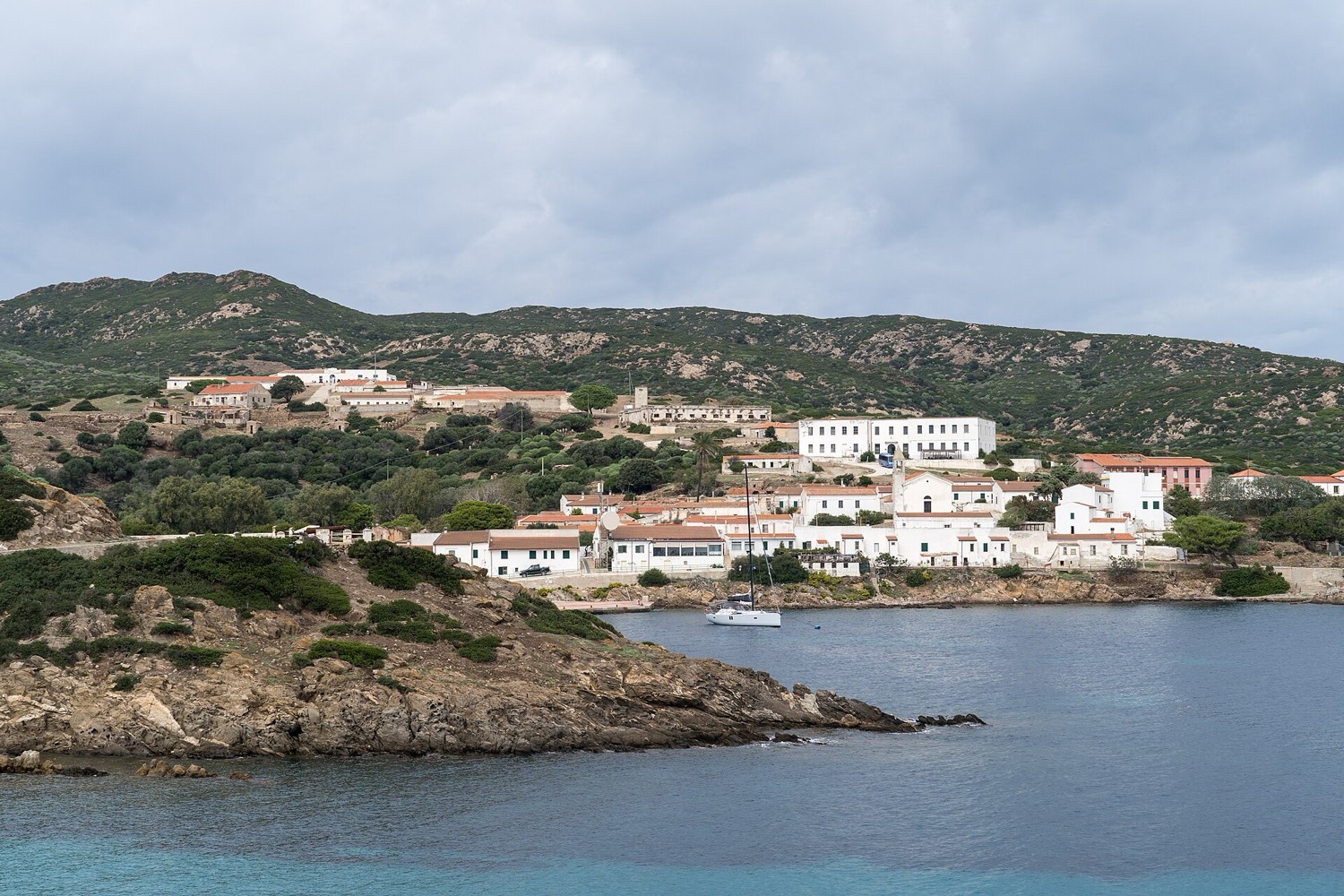
But the effort and the search for pushing limits take even more hybrid forms. In Italy, the Escape from Asinara — run on June 28, 2026 — is not pure long-distance swimming, but an aquathlon. First, 14.4 kilometers of running on the island's trails. Then, with breath already broken, you jump into the sea for 1.7 kilometers of swimming in the Fornelli channel. Then out again for 1.6 kilometers of running on Isola Piana, and the final blow: 900 meters of swimming to La Pelosetta.
The Fornelli channel takes its name from the high-security wing that overlooked that stretch of sea, the one where, after the 1979 riot, the State locked up those it considered most dangerous. From the entire island, in over a century, only one man escaped: the Sardinian bandit Matteo Boe, by inflatable boat, while his accomplice was captured. Today, athletes gasp, kick, and drink saltwater in that very same stretch of sea, to feel the thrill of making it.
Silent islands and reclaimed water
Of course, the party doesn't sound the same on all islands. At Ilha Anchieta, in Brazil, the crossing is swum every June over five distances. But on June 20, 1952, a riot left 108 prisoners and ten employees on the ground, and there is no trace of it in the race program for that date.
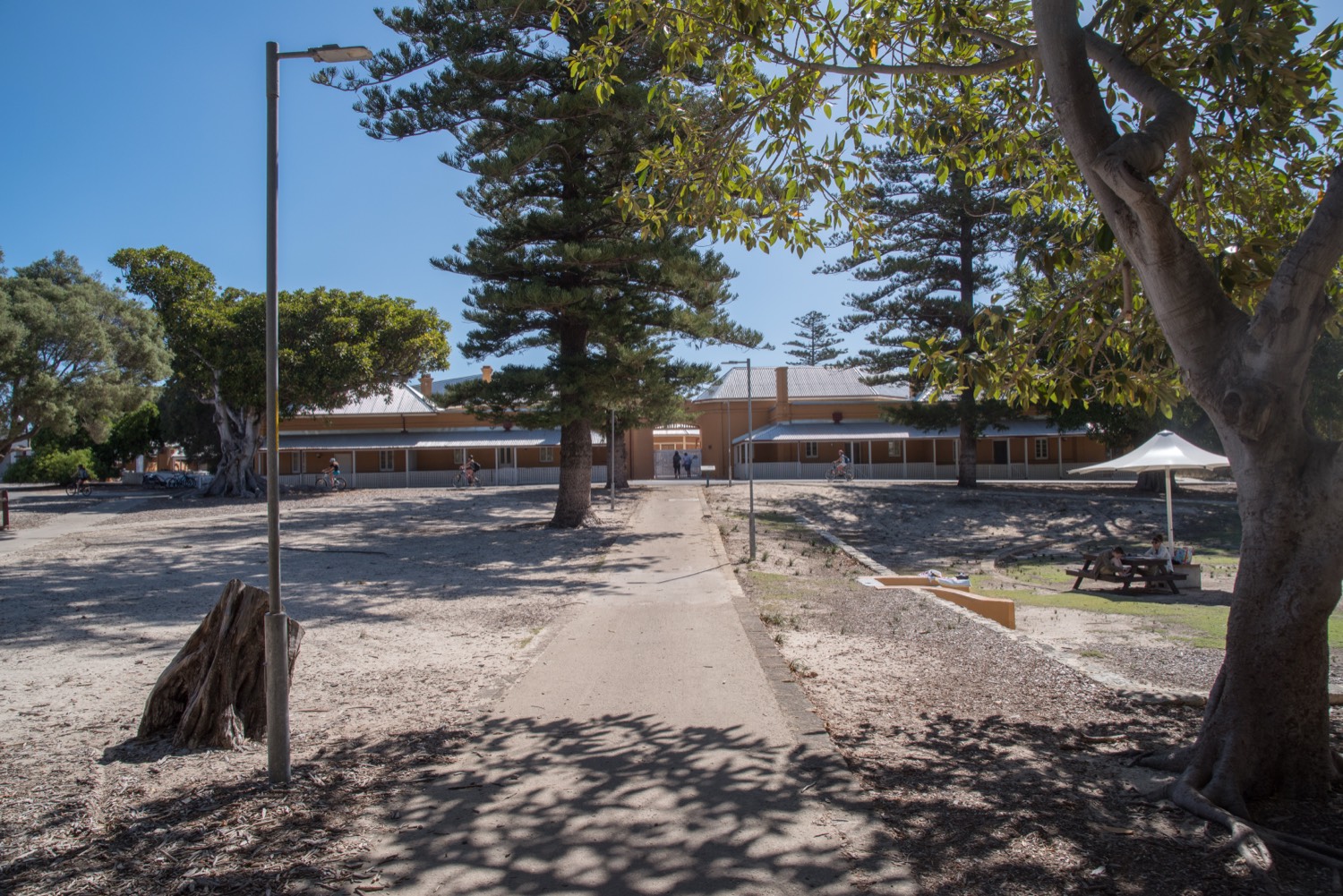
And there is Rottnest Island, in Australia. Today, a 19.7-kilometer race is swum there, which in 1991 started with forty-four registrants and in 2006 counted 3,910, to the point that they had to draw lots for spots. But from 1838 to 1931, the island was a prison for Aboriginal men and boys: between 3,700 and 4,000 deportees, depending on which government source you read, and at least 373 deaths in custody buried in nameless graves. In the Noongar language, it is called Wadjemup, «the place across the water where the spirits are». The Quod, the prison building, was rented out as tourist accommodation until 2018; the burial ground was a campsite, closed only in 2007.
However, where we can dive in, we do. Governments had built their worst penitentiaries with one assumption: the ocean cannot be beaten. Modern swimmers, with gels and strokes, have proven them wrong. The water was never a real wall. Or rather, it was, but the human desire to climb over it, to touch the sand on the other side with a chip on the ankle while challenging the waves, has won across the board, even if Trump perhaps doesn't know this yet.