
Oceanman Guanacaste
- Dec 12 – 13, 2026
- Distances from 500m to 10km
At a glance
- Next edition date
- December 12 – 13, 2026
- Distances
- 500 m · 1.5 km · 2 km · 4 km · 5 km · 10 km
- Where
- Sea · CC Papagayo, Guanacaste, Costa Rica
- Entry fee
- 70–155 €
- Wetsuit
- Mandatory below 14 °C (57 °F), optional between 14 °C (57 °F) and 24 °C (75 °F), and forbidden above 24 °C (75 °F)
- Registration
- oceanmanswim.com
About the race
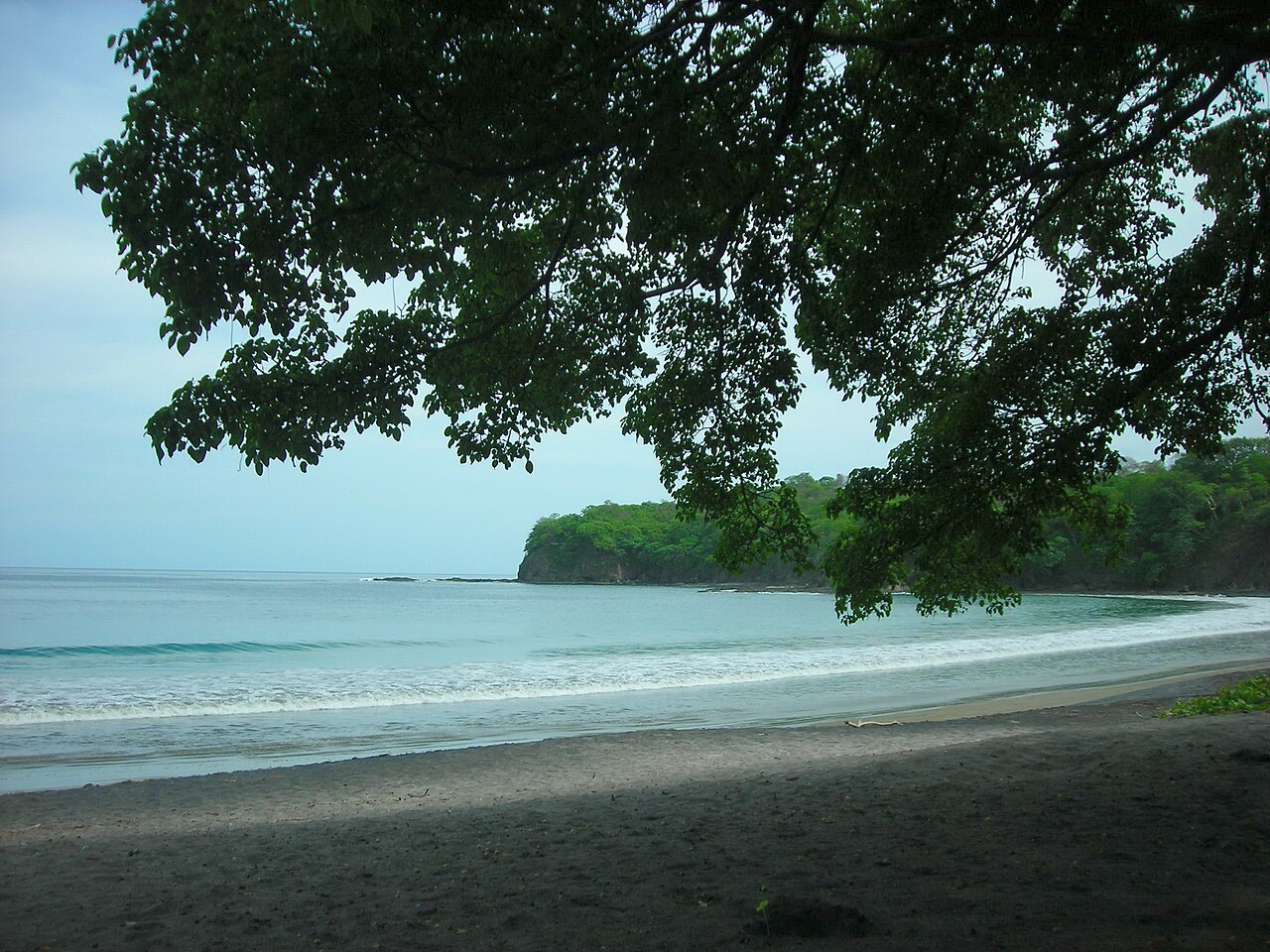
Along the volcanic coves of Costa Rica's Papagayo Peninsula, the Pacific settles into a sheltered basin framed by tropical dry forests. OCEANMAN Guanacaste is an open water swimming race held in the sea off CC Papagayo, situated along the scenic coast of Guanacaste in Costa Rica. Organized by OCEANMAN, the gathering brings together swimmers seeking open Pacific courses within the tranquil sanctuary of the gulf. Every December, the event sets out an expansive ladder of distances designed for every level of swimmer, ranging from a 500-meter sprint to 1,500, 2,000, 4,000, 5,000, and marathon-distance 10,000-meter courses. Swimmers step into remarkably warm tropical water beneath balmy coastal skies, where moving through the gentle salt water feels effortless from the very first stroke. Even when shifting coastal weather brings changes in the breeze across the bay, participants report finding an absorbing, steady rhythm where every stroke remains an enjoyable experience.
Two days in the Gulf of Papagayo
OCEANMAN Costa Rica returns on 12 and 13 December, with the Gulf of Papagayo as the venue of the competition. In the 2026 programme of OCEANMAN Costa Rica the 5 km and 10 km open water races fill the first day of competition. On the second day of OCEANMAN Costa Rica the programme moves to the 2 km distance and the 500 m relays. The Costa Rican athlete Jason Rojas won the 2025 edition of Oceanman, which was held on the beaches of Guanacaste. The Gulf of Papagayo has a maximum depth of approximately 100 metres.
Papagayo Peninsula: volcanic geology and sheltered Pacific bays
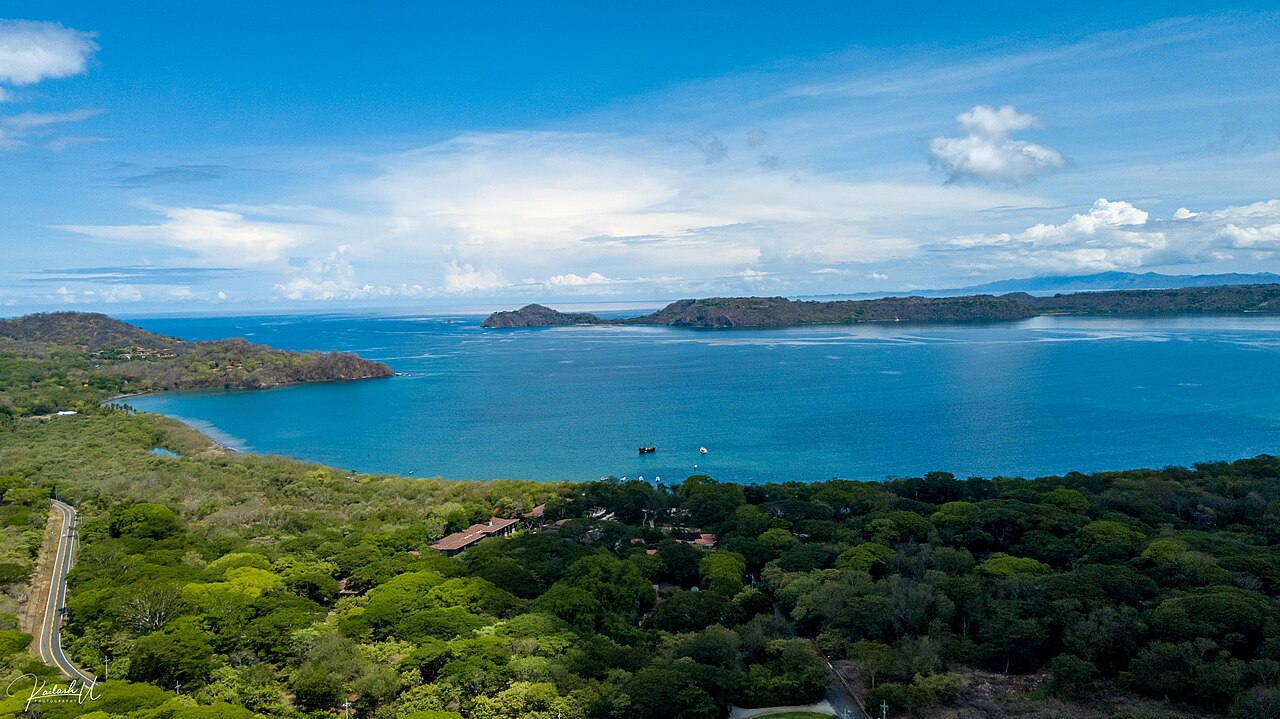
The distinct coastal shape that cradles the swim was born of ancient geological forces. The Papagayo Peninsula was formed by volcanic activity and sculpted over thousands of years by marine and weather erosion. Across its 15-mile coastline, this winding headland reveals 31 distinct beaches, each set into natural bays and coves along the Pacific margin. To the north, the prominent mass of the Elena Peninsula acts as a massive buffer, shielding the waters of the Papagayo Peninsula from heavy open-ocean swell. The surrounding hills and headlands remain pristine, safeguarded by a strict government mandate requiring that 70% of the peninsula's land remains preserved in its wild, natural state. Forming part of the coastline of Santa Rosa National Park, Bahía de Santa Elena is almost completely enclosed by land, connecting to the ocean through a narrow passage measuring roughly one kilometer that opens toward the north.
Iguanita Wildlife Refuge: mangroves, coral reefs, and nesting turtles
About five kilometers from the race area, the Iguanita Wildlife Refuge protects 115 hectares of diverse habitats encompassing beaches, quiet estuaries, mangrove swamps, and coastal forests. At the edge of the refuge, a 1.5-kilometer grey sand beach rests quietly between towering sea cliffs. Mangrove forests cover fully 89% of the refuge area, weaving dense underwater thickets of red, black, and white mangrove species. This submerged network acts as a rich, safe nursery that provides crucial habitat and nutrients for regional fish and prawns. Within the refuge's marine waters thrive 24 species of mollusks, 22 species of fish, 13 species of crustaceans, 5 species of coral, and 3 species of echinoderms.
Playa Panama: calm waters, black volcanic sand, and coastal dry forest
The waters at Playa Panama are renowned for being remarkably calm, allowing swimmers to sight easily and hold their line without fighting heavy surf or turbulence. Just beyond the sand, the grounds transition into native tropical dry forest where local wildlife can often be spotted moving through the trees. The sheltered cove makes the shoreline a relaxed staging area, offering effortless access to warm-up activities such as stand-up paddleboarding and ocean kayaking. Boating life on the peninsula gathers on the southwest side, where the Papagayo Marina opened in 2009 with 180 slips for vessels. After long hours out on the courses, swimmers gather on the beach at Vistas del Golfo, dining alfresco while looking out across lush coastal gardens.
Sources: Iguanita Wildlife Refuge · Papagayo Peninsula
Course
Awards
- Age group awards
- Wetsuit/No-wetsuit separated
Awards for top 3 in each age group and category (OceanMan, Half OceanMan, Sprint, Oceankids).
Aid stations
Water and electrolyte stations available on course for long distances.
How to get there
Airport: LIR
Oceanman Guanacaste
Frequently asked questions
- When is Oceanman Guanacaste?
- Oceanman Guanacaste takes place on December 12 – 13, 2026.
- What distances does Oceanman Guanacaste offer?
- Oceanman Guanacaste offers 500 m, 1.5 km, 2 km, 4 km, 5 km, and 10 km.
- How much is the entry fee for Oceanman Guanacaste?
- The entry fee ranges from 70 € to 155 €. Standard prices valid until 25 Nov 2026. Prices listed in EUR.
- Is a wetsuit required at Oceanman Guanacaste?
- At Oceanman Guanacaste, wetsuits are mandatory below 14 °C (57 °F), optional between 14 °C (57 °F) and 24 °C (75 °F), and forbidden above 24 °C (75 °F). Standard OceanMan global regulation applies.
- Where does Oceanman Guanacaste take place?
- Oceanman Guanacaste is a sea swim. Location: CC Papagayo, Guanacaste, Costa Rica.
- How do I register for Oceanman Guanacaste?
- The reference page for registering for Oceanman Guanacaste is https://oceanmanswim.com/races/guanacaste-costa-rica.
Where to stay
The area around Las Catalinas and the Papagayo Peninsula offers a mix of high-end boutique hotels integrated into the walkable town layout and more traditional vacation rentals. You will also find beach-front villas that cater to families and groups. Expect to pay between $250 and $600 per night for quality coastal lodging during the high season, though smaller apartment-style units further from the immediate coastline can be found starting at $150.
Things to do nearby
Beyond the race, the region is defined by its outdoor access. You can explore the dry forest reserves on guided mountain biking or trekking tours, or head to the coast for SUP and kayak excursions through the nearby mangrove estuaries. For those interested in local culture, visiting the traditional towns of the interior for coffee and artisanal tastings offers a look into the region's agricultural history beyond the beach.
Swimmers
Other races by this organiser
- Oceanman Phang-NgaPhang-Nga, TH
- Oceanman CórdobaCórdoba, AR
- Oceanman KrabiKrabi, TH
- Oceanman LimaLima, PE
- Oceanman MaafushiMaafushi, MV
- OCEANMAN Ayia NapaAyia Napa, CY
Similar races



Comments
Transparency: some links on this page (stays, flights, experiences, gear) are affiliate links — if you book or buy through them, Omniathlon may earn a commission from the partner at no extra cost to you. As an Amazon Associate we earn from qualifying purchases.