
Lake Boga Bank 2 Bank
- Dec 13, 2026
- Distances: 200m and 3.1km
At a glance
- Next edition date
- December 13, 2026
- Distances
- 200 m · 3.1 km
- Where
- Lake · Lake Boga, Victoria, Australia
- Entry fee
- 70 AUD
- Registration
- lakebogabank2bank.com
About the race
From the swimming zone beside Lakeside Drive to the pier at Jacaranda Crescent, 3.1 kilometres of flat freshwater stretch in a straight line across Lake Boga in Victoria, Australia. The Lake Boga Bank 2 Bank is an open water swimming event staged across this expansive inland basin. Setting off from one bank, swimmers follow a point-to-point journey where open horizons replace ocean breakers and river currents. Standing on the water's edge, the stillness of the surface sets a tranquil stage for long-distance pacing. For less experienced competitors and junior swimmers, the event offers the 200-metre Swim Around the Buoy. This shorter event launches directly from the main event hub, looping around a single turn buoy before guiding swimmers straight back to the welcoming bank.
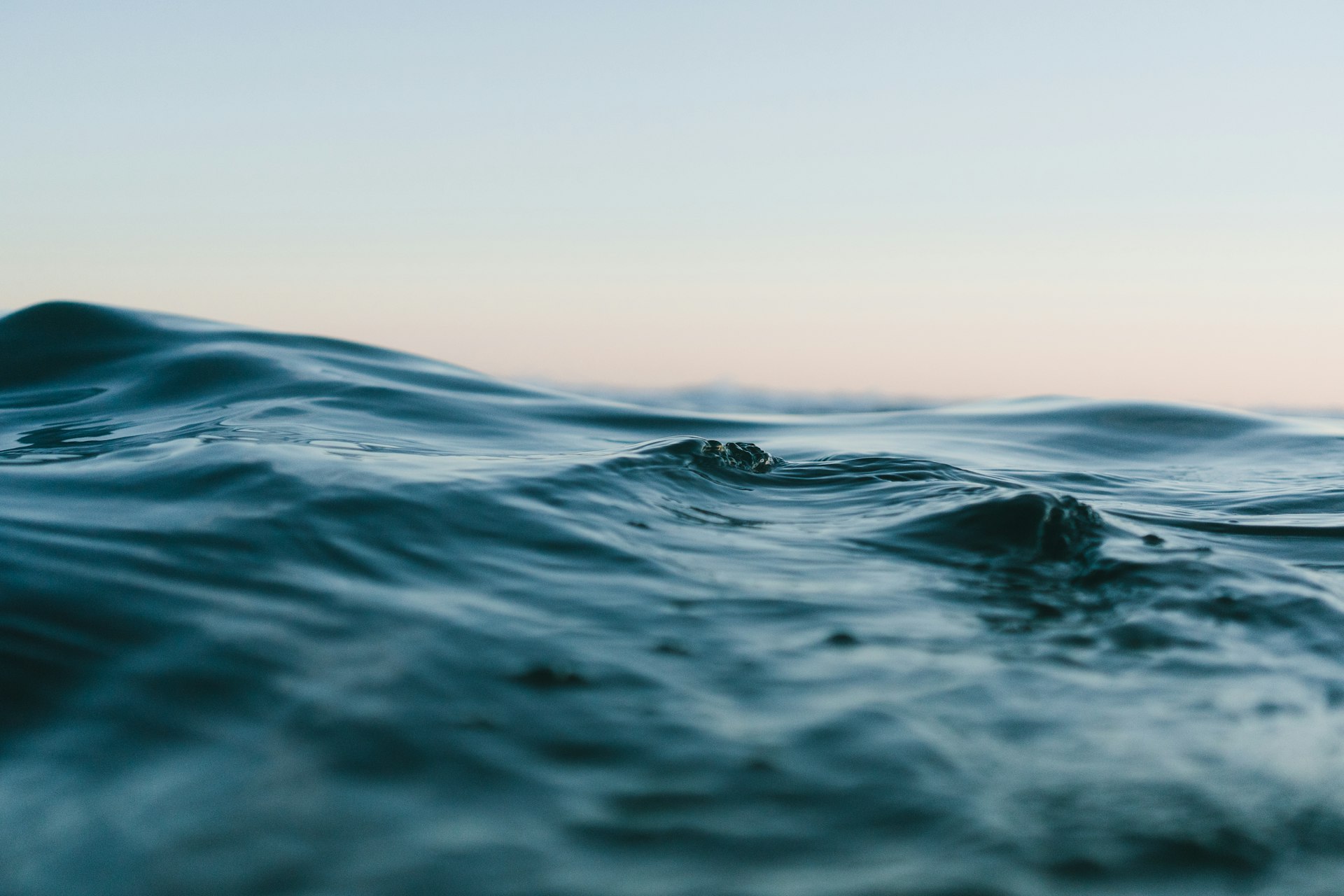
Conditions in the lake remain notably calm, providing swimmers with clear sightlines all the way across the water. Without ocean swell, rolling chop, or marine tides to disrupt stroke rhythm, participants can settle into a steady, rhythmic stroke from the opening stretch. The weekend carries the genuine warmth of a regional country gathering, where athletes and spectators linger long after the finish to catch up on the grass. Festivities begin on the Saturday evening before race day with a social dinner hosted at the Lake Boga Waterski Club, gathering the swimming community along the foreshore. When the race gets underway on Sunday, local children gather along the jetty to cheer on swimmers as they surge toward the finish line between the wooden piles and the boat ramp.
Lake Boga: water harvesting and seasonal filling
Covering a surface area of 940 hectares, Lake Boga is a vast endorheic freshwater lake. At its full supply level of 69.5 metres, the lake reaches an impressive maximum storage capacity of 37,794 megalitres. Even when the basin is drawn down to its minimum operating level of 67.22 metres, it retains a maximum depth of two metres. Like many inland water bodies in Victoria, the lake has experienced dramatic cycles of surplus and scarcity. Severe regional water shortages caused by extended drought once led the lake to dry out completely. That period of parched bed clay came to an end in 2010. A comprehensive refilling effort began in March 2010, successfully restoring the lake to full capacity by June of that same year and revitalising its aquatic environment.
Today, the seasonal inflow of water is carefully managed through harvesting operations conducted during the cooler winter and spring months. The lake generally achieves its full capacity between November and December. This seasonal cycle ensures that by December, when swimmers line up on Lakeside Drive, the water levels are at their annual peak, offering an expansive freshwater arena.
From a yearly lake crossing to the Bank 2 Bank
The Lake Boga Bank 2 Bank traces back to 2014, when an annual swim across the lake began, held once a year after the Australia Day weekend. That first challenge was to swim the length of Lake Boga, which measures just short of 3.5 km. Each year more swimmers joined the crossing, together with paddlers and a boat crew. The first Lake Boga Bank 2 Bank in 2021 drew over 60 swimmers, each with an individual paddler, and its first male and female finishers were Troy Bauerle and Janessa Fitzgerald. Every swimmer in the 3.1 km Bank 2 Bank needs either a support paddler in an unpowered vessel or a swim tow. The Bank 2 Bank swim has a cut-off of two hours, after which the support vessel collects swimmers and returns them to either the start or the finish line.
No. 1 Flying Boat Depot on the Lake Boga foreshore
During the Second World War, the very characteristics that appeal to open water swimmers brought Lake Boga into national defence planning. In 1942, military planners chose the lake as a major flying boat base because it was completely free of obstructions and offered virtually unlimited landing and take-off directions, accommodating winds from any quarter. The broad inland basin formed a safe haven for seaplane operations. In June 1942, the Royal Australian Air Force commissioned the No. 1 Flying Boat Repair and Service Depot at Lake Boga, operating the installation until November 1947. Technicians and mechanics stationed along the lake maintained and repaired military aircraft belonging to Australian, American, and Dutch armed forces throughout the Pacific conflict.
The peaceful water regularly received heavy military flying boats, including the PBY Catalina, the Dornier Do 24, and the multi-engine Short Sunderland. To service these massive aircraft, heavy workshops and substantial hangars were constructed directly along the lake foreshore. Today, the area still preserves tangible reminders of its aviation heritage, including an underground communications bunker that has been carefully restored to its wartime appearance.
Wemba-Wemba waters and the Little Murray floodplain
Long before aviation engineers assessed the lake, Indigenous Australians lived in balance with this river country. The Wemba-Wemba people occupied the area surrounding Lake Boga for thousands of years prior to the arrival of Major Sir Thomas Mitchell in June 1836. Their enduring connection to the water is reflected across the nearby network of rivers and creeks that shape the southern Murray River basin. The Little Murray River is an anabranch of the Murray River, descending 17 metres along its 46-kilometre route. The Wemba-Wemba traditionally named this winding watercourse Parnimilli, which translates to little river, and it is also known as the Marraboor River. Splitting away from the Murray River at Fish Point, the Little Murray rejoins the main river stream downstream at Swan Hill.
Between these two river courses lies Pental Island, bordered by the Murray River along its northern perimeter and the Little Murray to the south. Known to the Wemba-Wemba as Pakaruk, the island is connected to the mainland by two road bridges spanning the river channel. In 1871, this exact parcel of river land became the subject of a formal border dispute over whether the Little Murray River was in fact an extension of the Loddon River. About 14 kilometres from the race venue, the historic Murray Downs Station sits nestled between the Wakool River to the north and the Murray River to the south. In the nineteenth century, station life relied entirely on paddle steamers chugging along the river to transport wool and supplies.
River crossings have long defined the region, starting about 15 kilometres away at Swan Hill where a punt was established in 1846 to ferry travellers across the Murray. A modern replacement bridge is now under construction 110 metres upstream, ensuring that river transport keeps evolving.
Sources: Lake Boga Flying Boat Base · Lake Boga · Lake Boga (Victoria)
Course
A short and sweet swim starting from the event hub, heading out to a buoy and looping back to the bank. Ideal for juniors or newcomers in calm freshwater conditions.
A point-to-point swim across the lake, starting at the swimming zone near the far toilet block on Lakeside Drive and finishing between the pier and boat ramp on Jacaranda Crescent.
How to get there
Lake Boga Bank 2 Bank
Frequently asked questions
- When is Lake Boga Bank 2 Bank?
- Lake Boga Bank 2 Bank takes place on December 13, 2026.
- What distances does Lake Boga Bank 2 Bank offer?
- Lake Boga Bank 2 Bank offers 200 m and 3.1 km.
- How much is the entry fee for Lake Boga Bank 2 Bank?
- The entry fee is 70 AUD. Registration is handled via an external link accessible after free registration on the platform.
- Where does Lake Boga Bank 2 Bank take place?
- Lake Boga Bank 2 Bank is a lake swim. Location: Lake Boga, Victoria, Australia.
- How do I register for Lake Boga Bank 2 Bank?
- The reference page for registering for Lake Boga Bank 2 Bank is https://www.lakebogabank2bank.com/.
Where to stay
Lodging in the Lake Boga area centers on modest, functional options. You will find lakeside caravan parks offering cabin rentals and powered sites, often favored by local fishing enthusiasts. For more structured stays, the nearby regional center of Swan Hill provides standard motel rooms and boutique apartment options. Expect to pay between $120 and $220 per night, depending on proximity to the water and the level of service.
Things to do nearby
The weekend is defined by local heritage and river life. You can visit the Flying Boat Museum on the foreshore to see the restored Catalina aircraft or explore the local history of the Mallee region. For those wanting more time on the water, kayak and SUP rentals are available for sunset paddles. The nearby Murray River offers opportunities for riverside brunching, while local fruit orchards and vineyard tastings provide a snapshot of the agricultural character of north-west Victoria.
Swimmers
Similar races


Comments
Transparency: some links on this page (stays, flights, experiences, gear) are affiliate links — if you book or buy through them, Omniathlon may earn a commission from the partner at no extra cost to you. As an Amazon Associate we earn from qualifying purchases.