
Kvarner Pliva - Mali Lošinj
- Sep 13, 2020
- Last edition date
- Distances from 50m to 10km
At a glance
- Last edition date
- September 13, 2020
- Distances
- 50 m · 100 m · 1.5 km · 3 km · 10 km
- Where
- Sea · Mali Lošinj, Primorje-Gorski Kotar, Croatia
- Registration
- kdp-swim-croatia.hr
About the race
Sheltered by sunken karst valleys, the calm waters of Mali Lošinj form one of the Adriatic's most protected natural havens for open-water swimmers. The Kvarner Pliva - Mali Lošinj is an open water swimming race held in the sheltered sea of Mali Lošinj, in the Primorje-Gorski Kotar county on the Croatian coast. Organized by KDP Primorje, the event takes place in September and brings together swimmers across a wide spread of challenges. The program caters to every background, featuring youth dashes over 50 and 100 metres, middle distances of 1,500 and 3,000 metres, and an ambitious 10,000-metre sea marathon. In past editions, the 3,000-metre challenge was run as two 1,500-metre circuits within the natural amphitheater of the bay. The race unfolds inside Čikat Bay, a remarkably calm natural harbor shielded from almost every prevailing wind except westerly gusts that sweep across the open sea.
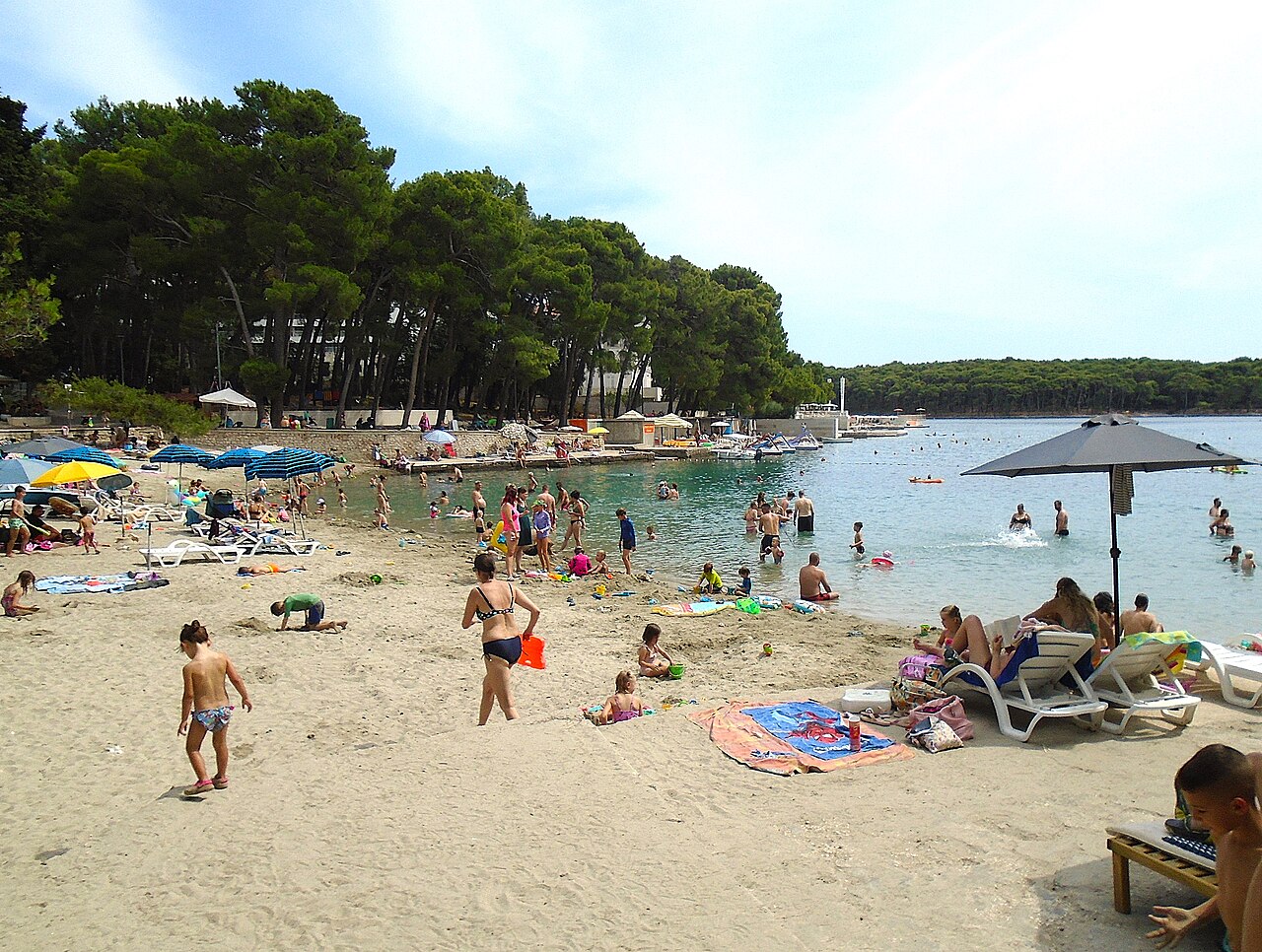
The submerged karst port and the Koludarc passage
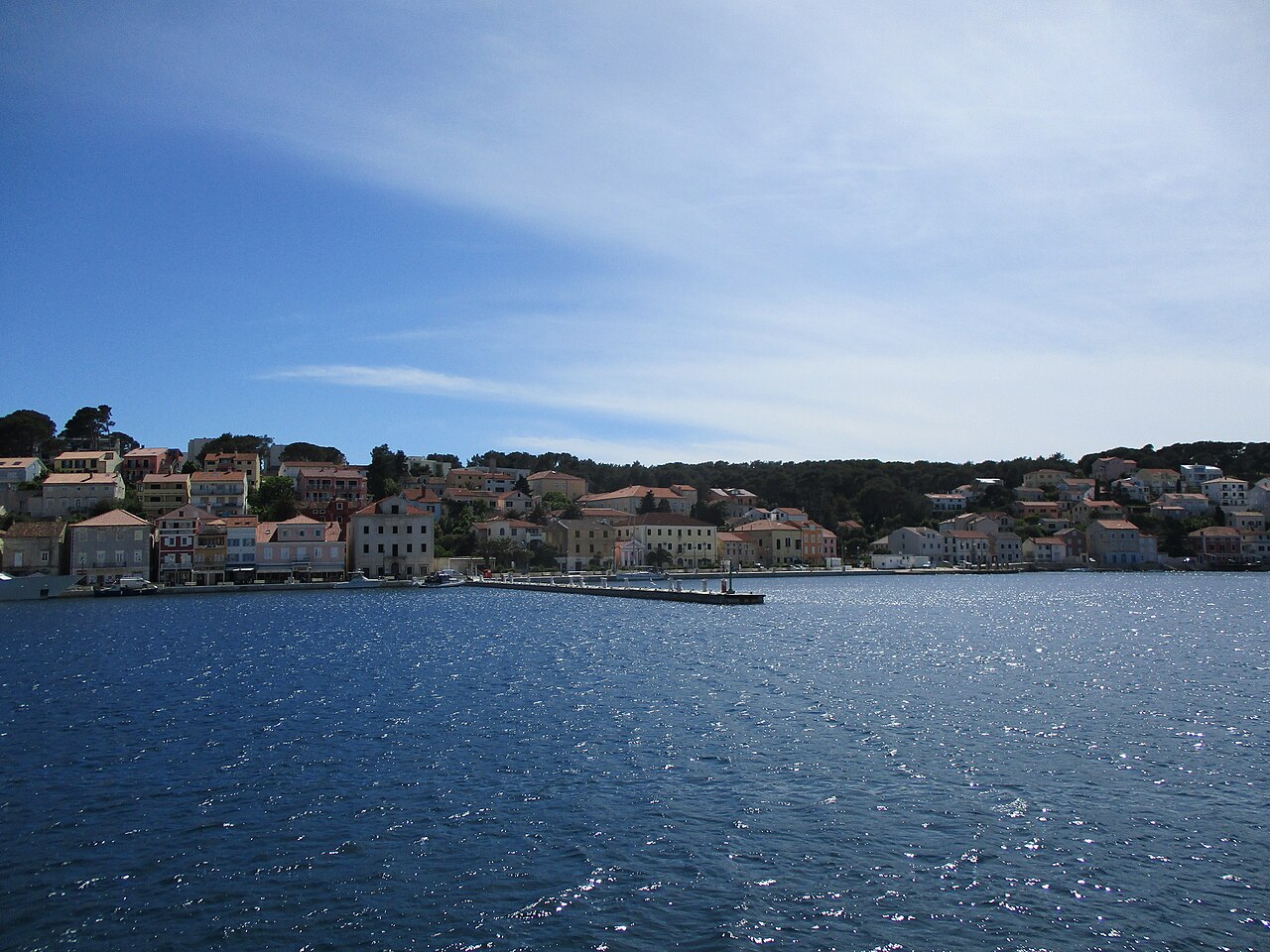
Mali Lošinj sits on the island of Lošinj, the seventh largest island in the Adriatic Sea. The island features an exceptionally rugged shoreline stretching across 112.2 kilometres, with an indentation index of 3.7 that ranks it among the most fragmented and cove-carved coasts in all of Croatia. This intricate geometry creates a paradise for swimming, where every turn in the coast opens into a secluded bay. The port of Mali Lošinj itself was forged by the geological submergence of ancient karst formations, creating one of the most thoroughly sheltered natural harbors anywhere in the Adriatic. Acting as a natural sea wall across the mouth of the harbor is the islet of Koludarc, which lies just off the western coast of Lošinj and encloses the main port.
Vessels steering into the deep inner waters look to the green lighthouse perched on Cape Križ, the northernmost tip of the islet. To the south of Koludarc, the sea narrows into an exceedingly shallow natural passage that safely admits only small, shallow-draft boats.
Ambroz Haračić’s pine forests and the bottlenose dolphin reserve
The marine environment around Mali Lošinj has long been cherished for its mild Mediterranean climate and gentle, warming sea currents, qualities that originally helped establish the island as an acclaimed health resort. Much of the shoreline's unmistakable fragrance comes from the dense pine woods that wrap around Mali and Veli Lošinj, which were deliberately planted toward the end of the 19th century through the tireless work of local botanist Ambroz Haračić. Haračić dedicated years to cataloging the unique flora and fauna of the island, and a stone monument commemorating his legacy stands on the southern shore of Čikat bay. The pristine clarity of the surrounding sea also made the town an early pioneer in marine sports, earning it a reputation as an international hub for competitive spearfishing after hosting the sport's first World Championship back in 1957. On August 6, 2006, the Lošinj archipelago was designated as the very first dolphin reserve in the entire Mediterranean, dedicated to protecting the thriving local population of bottlenose dolphins.
The Austrian villas and sea captains of Čikat Bay
On land, swimmers can stroll along the Čikat seaside promenade, a shaded coastal route that winds its way from Veli Žal all the way to Srebrna Bay. The waterfront is lined with grand historic residences built by the Austrian nobility, including majestic properties such as Villa Karolina, Diana, and Saborka, which have since been restored and converted into luxury seaside hotels. This architectural splendor was built on deep maritime roots; historically, Čikat Bay bustled with activity as the site of three busy shipyards. By 1868, Mali Lošinj had reached its nautical peak with 11 working shipyards, commanding the most powerful merchant fleet anywhere in the Adriatic and outstripping major regional ports such as Rijeka, Trieste, and Venice.
At the mouth of the bay stands the Annunziata cape chapel, an iconic coastal sanctuary originally erected in 1534 and expanded in 1858. For generations, Lošinj sea captains navigating past the headland have sounded their ship horns as a gesture of reverence and farewell. Beneath the waves here, the waters surrounding Cape Madona in Čikat Bay are protected as hydro-archaeological zones, safeguarding traces of the seafaring centuries that passed right through these race waters.
The Ilovik channel: Roman sarcophagi and Venetian towers
The maritime heritage extends to the geography of the island itself, which was artificially divided into two by a cut at Privlaka, echoing the Roman-era canal carved at Osor that originally severed Lošinj from neighboring Cres. Journeying down to the island's southeastern tip brings you to Cape Mrtvaška, a secluded bay that opens outward into the Ilovik channel. Since antiquity, this tiny harbor has served as the embarkation point for boats crossing over to the neighboring island of Ilovik. Separating the islands of Ilovik and Sveti Petar is a narrow channel measuring 2.5 kilometres in length and 300 metres in width. Protected from open sea swells, the Ilovik channel has provided safe anchorage to vessels since ancient times, preserving a remarkable layering of history.
History stands equally tall above the water on the islet of Sveti Petar, where a Benedictine monastery was founded during the 11th century, its historic masonry now woven into the fabric of the island cemetery walls. Watching over the channel nearby is a sturdy square watchtower constructed by the Venetians in 1597 to defend these coastal waters against Uskok raiders. Floating over these ancient straits after finishing your laps is a powerful reminder of how long seafarers and swimmers have sought shelter in crystal-clear bays.
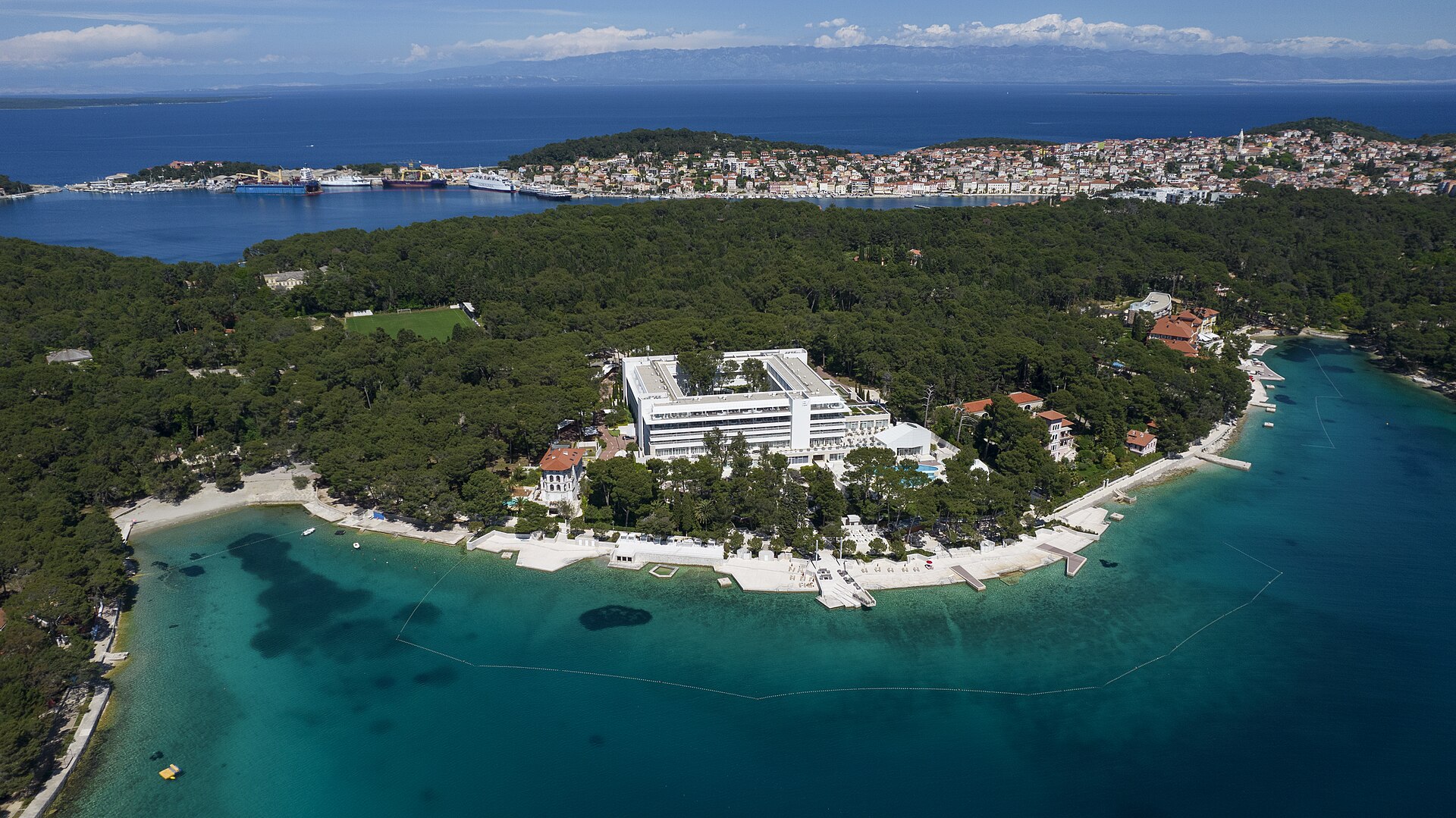
Sources: Mali Lošinj · Čikat · Lošinj · Vele Orjule · Mrtvaška
Course
Challenge race held in the Čikat bay area.
Sport race consisting of two laps of the 1500m course.
Useful info
Event organized by KDP Primorje. Includes categories for adults and children. Logistics: recommended ferries from Valbiska-Merag or Brestova-Porozina. Registration and regulations available via the official links on the website. Wetsuits subject to FINA/HSSDP regulations based on water temperature.
How to get there
Ferry connections: Valbiska (Krk) - Merag (Cres) and Brestova - Porozina (Cres).
Kvarner Pliva - Mali Lošinj
Frequently asked questions
- When was the last edition of Kvarner Pliva - Mali Lošinj?
- The last edition of Kvarner Pliva - Mali Lošinj took place on September 13, 2020.
- What distances does Kvarner Pliva - Mali Lošinj offer?
- Kvarner Pliva - Mali Lošinj offers 50 m, 100 m, 1.5 km, 3 km, and 10 km.
- Where does Kvarner Pliva - Mali Lošinj take place?
- Kvarner Pliva - Mali Lošinj is a sea swim. Location: Mali Lošinj, Primorje-Gorski Kotar, Croatia.
- How do I register for Kvarner Pliva - Mali Lošinj?
- The reference page for registering for Kvarner Pliva - Mali Lošinj is https://kdp-swim-croatia.hr/.
Where to stay
Mali Lošinj offers a distinct mix of historic converted villas, such as those along the Čikat promenade, and modern apartments. For a more authentic feel, look for family-run guesthouses near the harbor. During the mid-September race weekend, expect standard double rooms to range between 80€ and 160€, depending on proximity to the water. Camping options are also available in the pine-shaded areas surrounding the bay, providing direct access to the starting zones.
Things to do nearby
Beyond the race, the region is defined by its maritime heritage and geography. You can rent a kayak to explore the narrow channels near the Osor swing bridge, which separates Cres and Lošinj. For those interested in local flavor, the town features numerous konobas offering traditional Adriatic seafood and local wine tastings. Hiking trails crisscross the island, offering panoramic views of the archipelago that are best appreciated after your swim.
Swimmers
What to see around
1. Museum of Apoxyomenos (bronze Greek statue). 2. Čikat Forest Park (trails for trail running/MTB). 3. Lošinj Aromatic Garden. 4. Boat excursion to the island of Susak. 5. Hike to Osoršćica mountain for a panoramic view of the archipelago.
Other races by this organiser
- Memorijal Veljka RogošićaNovi Vinodolski, HR
Similar races


Comments
Transparency: some links on this page (stays, flights, experiences, gear) are affiliate links — if you book or buy through them, Omniathlon may earn a commission from the partner at no extra cost to you. As an Amazon Associate we earn from qualifying purchases.