
Coral Reef Swim
- Nov 8, 2026
- Last edition date
- Distances from 1.6km to 8km
At a glance
- Last edition date
- November 8, 2026
- Distances
- 1.6 km · 3.9 km · 8 km
- Where
- Sea · da Buck Island National Monument a Mermaid Beach (The Buccaneer Beach & Golf Resort), Christiansted, U.S. Virgin Islands
- Entry fee
- 1.6 km: 100 USD · 3.9 km: 140 USD · 8 km: 160 USD
- Registration
- swimrace.com
About the race
The deep resonance of a conch shell blown across Buck Island signals the start of an open water crossing toward Saint Croix. The Coral Reef Swim is an open water swimming event held in the Caribbean Sea off the coast of Christiansted, on the island of Saint Croix in the United States Virgin Islands. Swimmers set out into open water to complete a course that stretches across the channel to the finish on Mermaid Beach at The Buccaneer Beach & Golf Resort. The event was created nearly three decades ago by Elizabeth Armstrong, the third-generation owner of The Buccaneer, together with Kim Sanford. They established the crossing to foster marine conservation and bring active attention to the fragile coral barrier reefs that shelter these waters.
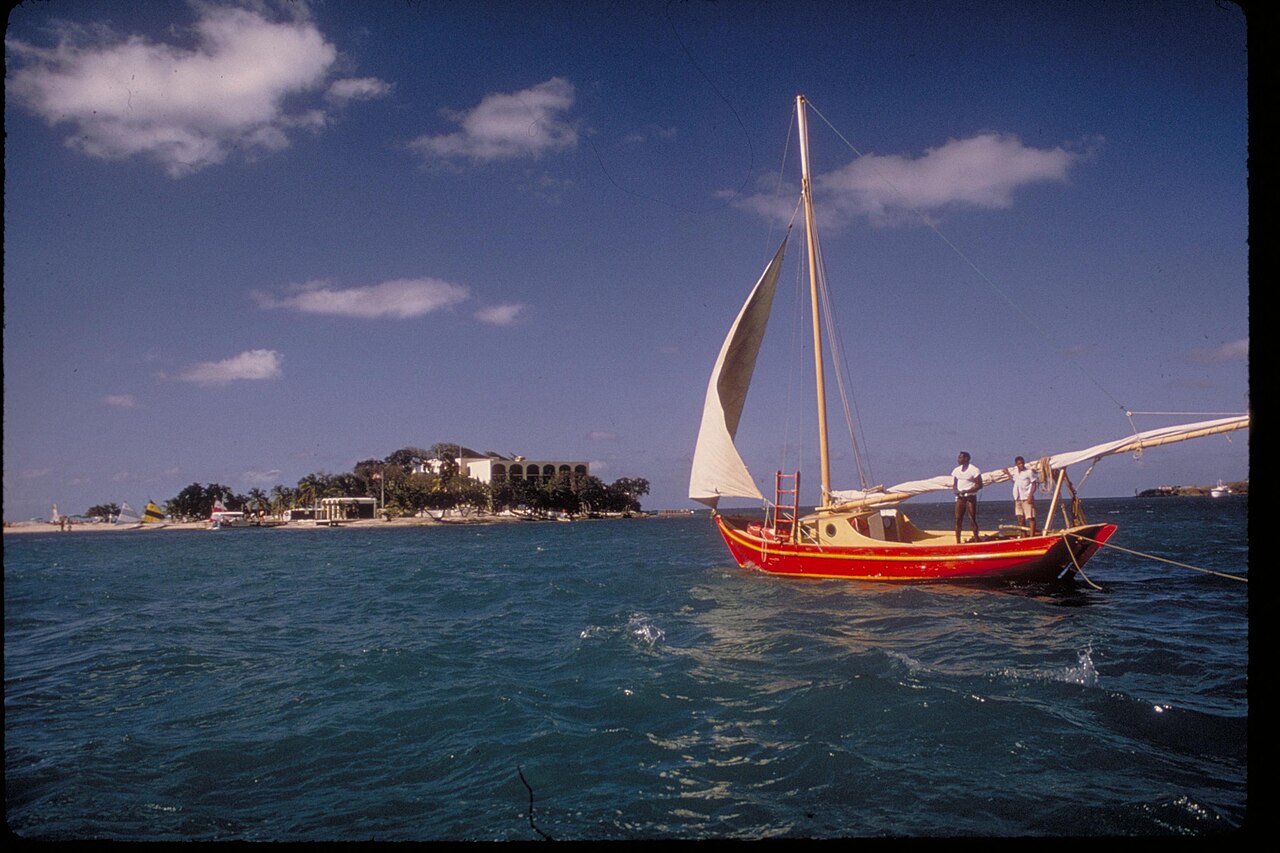
The gathering revolves around three distinct courses, with options of one mile, roughly two and a half miles, and the flagship five-mile traverse. That premier five-mile distance starts directly offshore from the pristine sands of the Buck Island Biosphere Reserve, sending swimmers on an uninterrupted journey straight across the open sea. The morning of the crossing begins with an early boat journey under the soft light of sunrise, carrying competitors out across the turquoise sea to the sands of Buck Island. Slipping into the sea, swimmers find warm tropical water that typically sits between seventy-eight and eighty-one degrees Fahrenheit, offering comfortable immersion without the need for thermal gear. Past participants have encountered steep ocean swells and heavy head currents that demand relentless navigation and grit.
Over the decades, the athletic tradition of the race has been defined by notable marathon swimmers, none more prominent than Alex Kostich, who began swimming the event in 1999 and has claimed victory more than fifteen times. At the end of the crossing, competitors touch down on the golden sand of Mermaid Beach, where a Caribbean celebration immediately takes over the shoreline. Swimmers are welcomed from the surf by the ringing rhythms of a live steel pan band, post-race massages under the palm trees, and the vibrant performances of traditional mocko jumbie stilt dancers towering above the crowd.
Buck Island Reef: the protected barrier of elkhorn coral
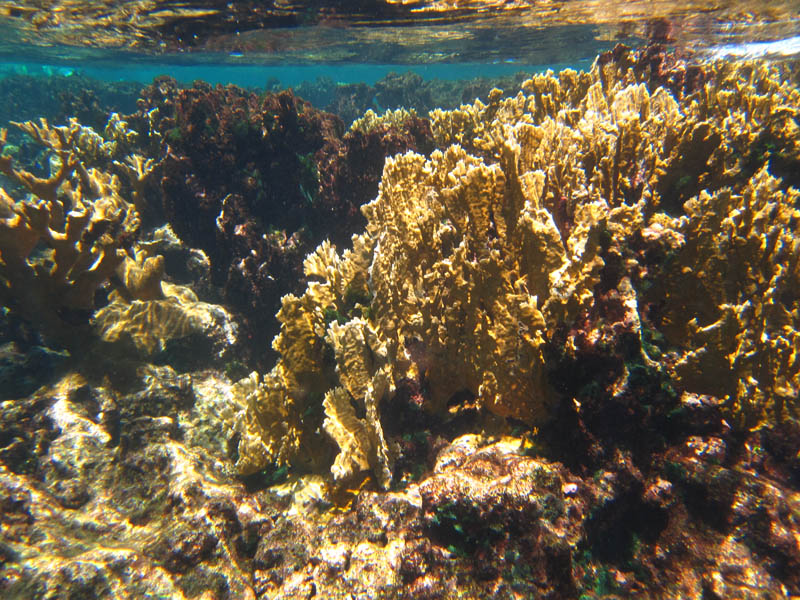
The five-mile journey begins at Buck Island Reef National Monument, a protected islet of 176 acres anchored one and a half miles off the northeast coast of Saint Croix. Recognized early on for its natural value, the surrounding marine garden was first placed under protection in 1948 before gaining formal status as a National Monument in 1961, with its boundaries significantly expanded in 2001. Two thirds of the uninhabited island is cradled by a towering barrier reef built primarily of elkhorn coral, acting as a massive living breakwater against the open ocean. Off the eastern tip of the island, a marked underwater trail allows snorkelers to navigate directly among the towering submerged coral crests. Beneath the surface, this thriving coral sanctuary supports a vibrant ecosystem of more than 250 species of marine fish.
East End Marine Park: seagrass meadows and Point Udall
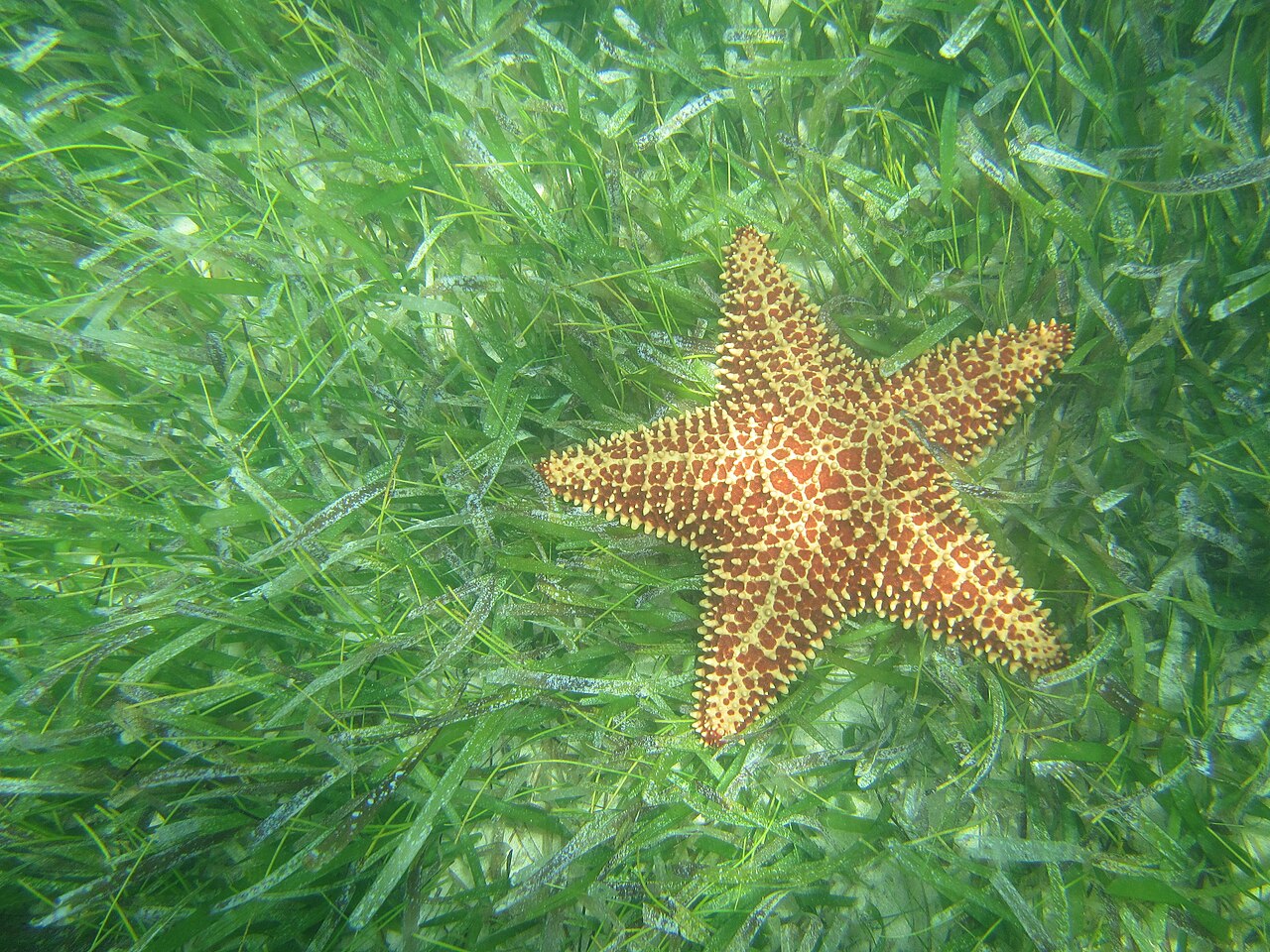
St Croix East End Marine Park is located about seven kilometres away. This marine protected area features diverse coral formations ranging from shallow-water linear reefs close to the breakers to mid-water patch reefs and deep mesophotic structures thriving in dimmer waters. These reef formations provide a crucial habitat for branching colonies of elkhorn coral and staghorn coral, both of which are federally classified as threatened under the Endangered Species Act. Vast underwater pastures dominated by turtle grass and manatee grass carpet the sandy seabed across the marine park, stabilizing the bottom and sheltering young marine life. The park's easternmost sand beaches serve as crucial nesting grounds where green and hawksbill sea turtles come ashore from August through November.
To balance human access and wildlife survival, the park is partitioned into four functional zones: Recreational, Open Fishing, Turtle Wildlife Preserve, and strictly protected No Take areas. The eastern end of this coastal landscape culminates at Point Udall, the easternmost geographic point of the United States. Rising dramatically from the sea, the rugged headland is composed of ancient volcanic and sedimentary rocks that trace their roots back to the Upper Cretaceous period. High above the cliff face stands the Millennium Monument, a massive sundial built to commemorate the very first sunrise of the year 2000 on American soil.
Great Pond: ancient coastal lagoons and seabird sanctuaries
Along the island's southeastern shoreline, about seven kilometres from the race venue, lies Great Pond, a sprawling 50-hectare saline coastal lagoon. This sheltered basin is separated from the open sea by a vegetated baymouth bar that runs for 1,100 metres and measures up to 105 metres wide. Depending on seasonal rainfall and freshwater runoff, the water salinity within the lagoon fluctuates broadly between 20 and 40 parts per thousand. At the southwestern boundary of the marine park, Great Pond encompasses one of the largest remaining contiguous mangrove tracts on Saint Croix. These dense mangrove fringes provide shelter for abundant birdlife, securing the area's designation as an Important Bird Area. The wetland supports stable populations of white-crowned pigeons and green-throated caribs, alongside a vibrant breeding colony of least terns.
The shores around the lagoon also preserve a long record of human settlement on Saint Croix. Archaeological excavations here have brought to light ancient human remains dated from 300 to 700 AD and from 700 to 900 AD. Centuries later, during the eighteenth century, the area became the 430-acre Great Pond plantation.
Salt River Bay and the islets of Christiansted
About fourteen kilometres along the northern coast from the race site, Salt River Bay National Historical Park and Ecological Preserve conceals a dramatic marine canyon that plunges to depths of nearly 500 feet. The prehistoric Salt River Canyon features two sheer vertical submarine walls facing each other across the abyss, originating from an ancient riverbed and waterfall structure. Humpback whales visit the deep ocean mouth of the canyon during their annual migrations in February and March, while nurse sharks and reef sharks inhabit the rocky ledges year-round. In the sheltered waters of the inner bay, dense concentrations of bioluminescent dinoflagellates, comb jellies, and glowing fireworms illuminate the water with bright flashes of light when disturbed after dark.
The inlet at Salt River has witnessed centuries of human passage, having been settled by the Taino people from the 1300s until they were displaced by the Caribs around 1425. High above the channel, Fort Salé preserves a triangular earthwork redoubt constructed by the Dutch in 1642 and subsequently taken over and renamed by the French in 1650. Closer to the finish at Mermaid Beach, the town of Christiansted opens onto its historic waterfront, where wharf facilities provide direct departures to northern diving reefs. In the middle of the harbour sits Protestant Cay, a small islet that in the nineteenth century served as the official residence for the local harbour pilot.
Today, this tiny scrap of land provides one of the very last natural refuges for the endemic Saint Croix ground lizard, surviving alongside a sister colony on nearby Green Cay. Across these crystal-clear Caribbean waters, swimmers complete their journey from the outer reef back to the quiet shores of Saint Croix.
Sources: Buck Island Reef National Monument · Christiansted, U.S. Virgin Islands
Course
The renowned five-mile race starts at Buck Island National Monument and ends at The Buccaneer Beach & Golf Resort’s Mermaid Beach, traversing crystal clear Caribbean waters.
Previous editions
- 2025results
How to get there
Coral Reef Swim
Frequently asked questions
- When was the last edition of Coral Reef Swim?
- The last edition of Coral Reef Swim took place on November 8, 2026.
- What distances does Coral Reef Swim offer?
- Coral Reef Swim offers 1.6 km, 3.9 km, and 8 km.
- How much is the entry fee for Coral Reef Swim?
- Entry fees by distance: 1.6 km: 100 USD · 3.9 km: 140 USD · 8 km: 160 USD.
- Where does Coral Reef Swim take place?
- Coral Reef Swim is a sea swim. Location: da Buck Island National Monument a Mermaid Beach (The Buccaneer Beach & Golf Resort), Christiansted, U.S. Virgin Islands.
- How do I register for Coral Reef Swim?
- The reference page for registering for Coral Reef Swim is https://www.swimrace.com.
Where to stay
Accommodations in Christiansted range from historic colonial-era guesthouses converted from old merchant homes to expansive beachfront resorts. Travelers often seek out the 'boutique hotels on the harbor' for proximity to the town’s dining, or private villas tucked along the north shore. Expect rates to fluctuate significantly based on proximity to the water; standard rooms in town typically start around $180/night, while full-service resorts closer to the race finish at Mermaid Beach can range from $350 to $600+ per night during the peak season.
Things to do nearby
The island offers a deep dive into Caribbean history and ecology. Beyond the race, visitors can explore the underwater snorkel trails of the National Monument or take guided kayak tours through the bioluminescent bays. For those interested in heritage, a walking tour of the town’s Danish-era forts and colonial architecture is standard, complemented by rum distillery visits in the hills. The weekend can be balanced with light trekking in the rainforest or simply observing the marine life along the coastline, which remains the island's primary draw.
Swimmers
Similar races


Comments
Transparency: some links on this page (stays, flights, experiences, gear) are affiliate links — if you book or buy through them, Omniathlon may earn a commission from the partner at no extra cost to you. As an Amazon Associate we earn from qualifying purchases.