Ciutat de Mataró
- Sep 27, 2026
- Distance: 2km
About the race
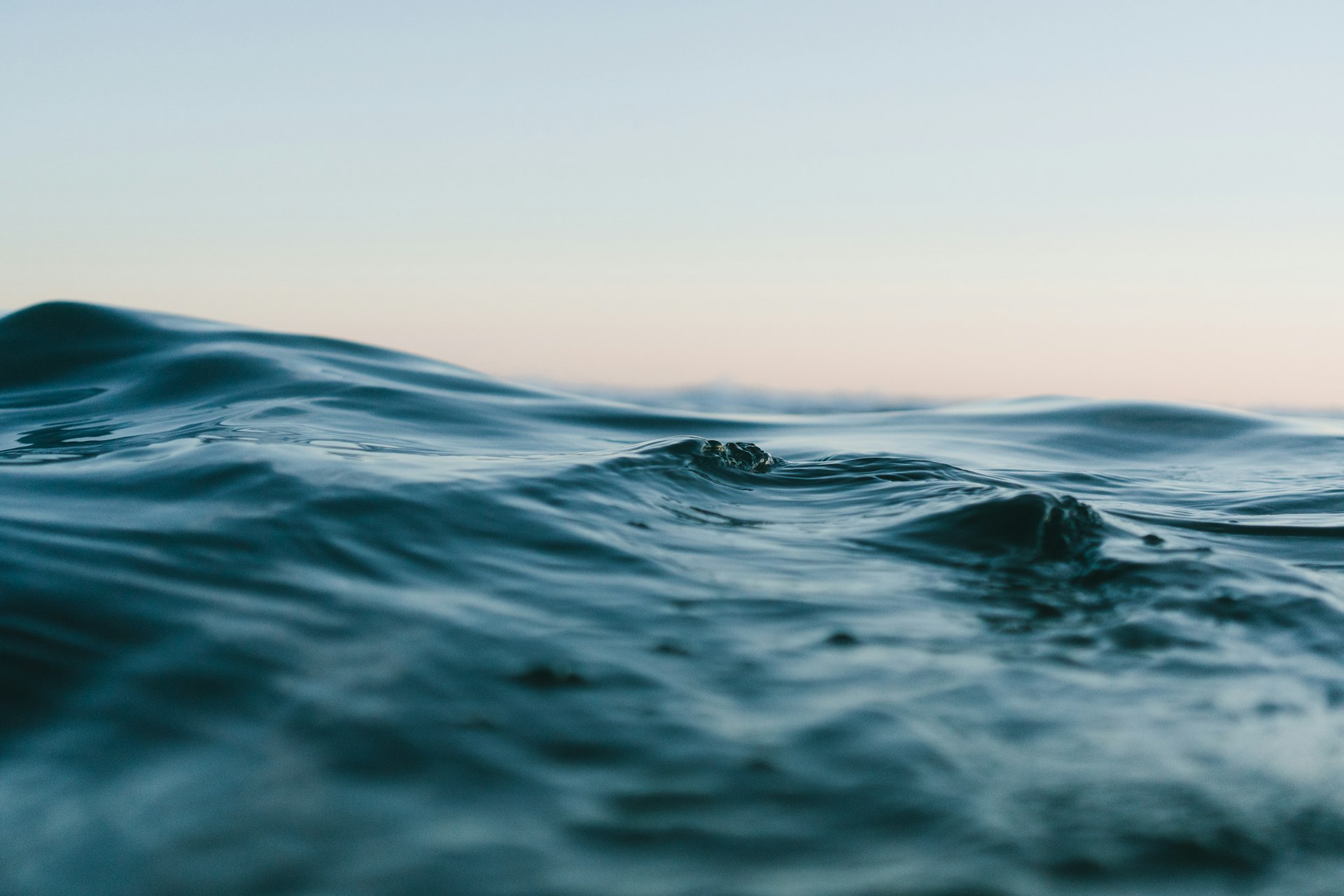
Between 1569 and 1600, military engineer Jorge de Setara directed the construction of the Mataró City Wall, a strategic defense system designed to fortify the settlement against constant maritime threats. Following the lines of ancient Roman fortifications, these walls and towers defined the town's silhouette for centuries, protecting a community often marked as 'Civitas Fracta'—or 'broken city'—during the turbulent years following territorial conflicts in the Middle Ages. Today, the defensive line has faded into the urban fabric, but the maritime horizon remains the stage for the Ciutat de Mataró, an annual open water event hosted by the Federació Catalana de Natació at Platja Del Varador. Swimming here means tracing a path where merchant ships once navigated, shadowed by a history of resilience.
The coastal horizon
As you find your rhythm off the coast, notice the railway tracks running parallel to the shore. This line, inaugurated in 1848, was the first of its kind in the Iberian Peninsula, championed by local sea merchant Miquel Biada. The modern landscape is equally defined by natural elements; keep an eye out for yellow-legged and black-headed gulls, or perhaps the occasional cormorant perched near the breakwaters. The seabed here belongs to the 'Alguer de Mataró', a vital meadow of Posidonia oceanica that creates a unique marine ecosystem. While you swim, your gaze might drift toward the Hermitage of St. Simon, a 17th-century landmark that has long served as a navigational point for those at sea. For those drawn to the deep history of this coastline, the Roman villa of Can Llauder stands as a silent witness to the 1st century BC, when wealthy residents sought luxury in this exact geography. The coarse granite-sand beaches, formed by the erosion of inland mountains, provide the final touch to an environment shaped by intense natural and human activity. Swimmers looking to build their season will find the local calendar dense: the LXXV Badalona Swimming Crossing offers a historic challenge nearby, while the Vilassar Solidarity Swimming Crossing provides a different perspective on these waters just a few weeks apart. The Ciutat de Mataró continues this tradition, inviting participants to compete in the same Mediterranean expanse that once defined the maritime fortunes of the city, from the Roman era to the birth of the railway.
Sources: Mataró · Roman villa of Can Llauder
Course
How to get there
Ciutat de Mataró
Where to stay
Mataró offers a range of options, from boutique hotels near the historic port area to comfortable apartments scattered throughout the city center. For those preferring a more direct connection to the coast, several camping sites are located within a short distance of the main beaches. Prices typically range from €80 to €150 per night depending on the proximity to the waterfront and the level of service chosen.
Things to do nearby
Beyond the race, the region invites exploration through its deep-rooted viticultural history, famously linked to the 'Mataro' (Mourvèdre) grape variety. Visitors can engage in guided tastings or head to the coast for kayak and SUP excursions to view the city from a different angle. The nearby Roman archaeological sites and the shaded walking paths along the coastal torrents offer a blend of antiquity and nature that complements the weekend perfectly.
Swimmers
Comments
Transparency: some links on this page (stays, flights, experiences, gear) are affiliate links — if you book or buy through them, Omniathlon may earn a commission from the partner at no extra cost to you. As an Amazon Associate we earn from qualifying purchases.