
Circuito Paulista de Maratonas Aquáticas — Ilhabela (maio)
- May 23, 2027
- Distances from 800m to 4km
At a glance
- Next edition date
- May 23, 2027
- Distances
- 800 m · 2 km · 4 km
- Where
- Sea · Praia Grande, Ilhabela, São Paulo, Brazil
- Entry fee
- 290 BRL
- Registration
- instagram.com
About the race
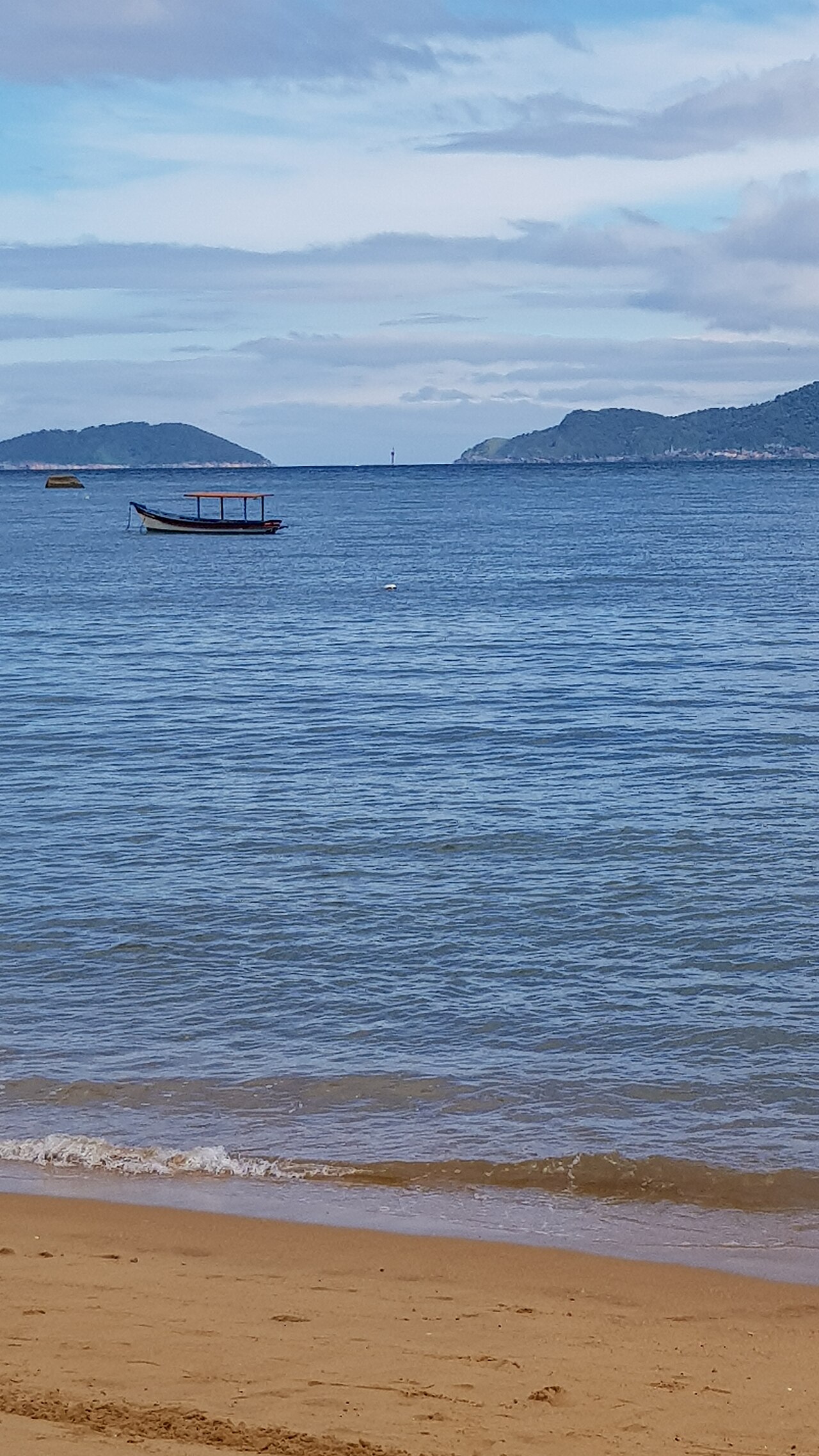
The mountain ridges of São Sebastião rise nearly fourteen hundred metres. The Circuito Paulista de Maratonas Aquáticas, organised by Maratona Aquática Igor de Souza, brings open water swimming to the sea at Praia Grande on Ilhabela, an archipelago municipality on the northern coast of São Paulo state in Brazil. Setting out from the sands of Praia Grande, competitors take on courses in the marine strait that separates the island from the mainland coast. The Ilhabela fixture serves as the fifth stage of the state circuit, organised in partnership with the Federação Aquática Paulista and the Associação Aquática. Swimmers choose between three main distances: a short 800-metre course, a 2-kilometre medium race, and a 4-kilometre marathon event.
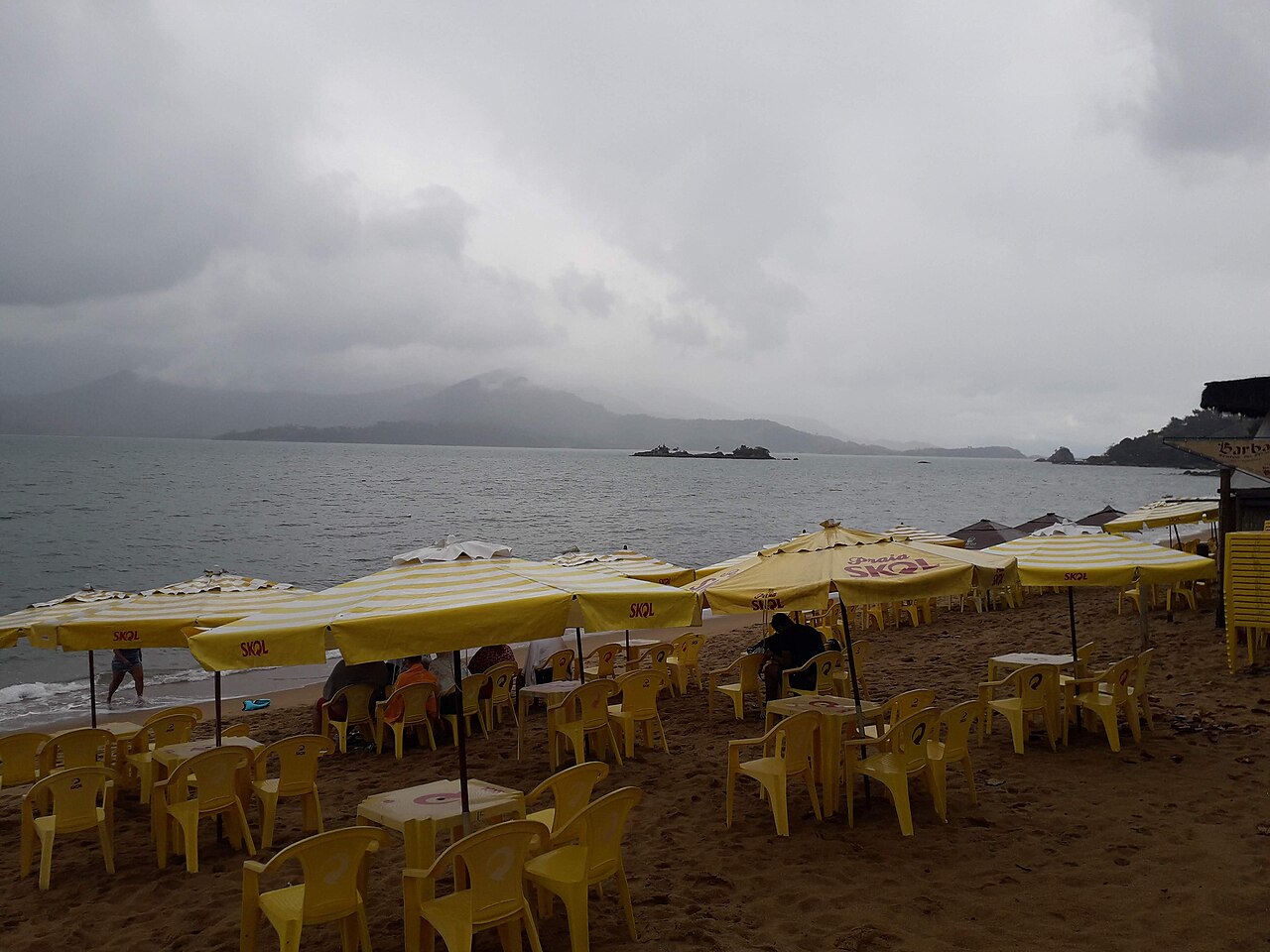
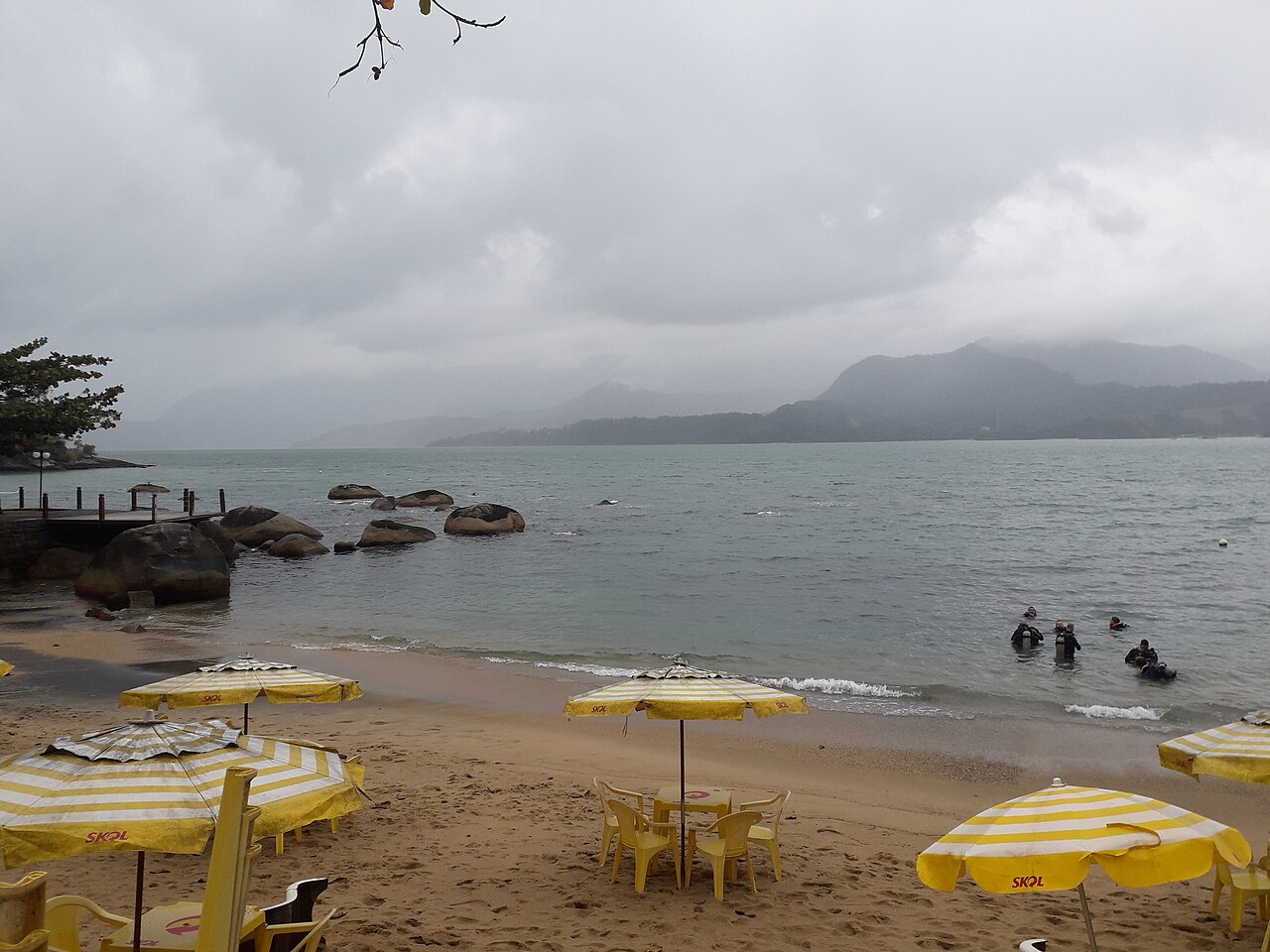
In earlier editions, the short course was set at 750 metres, alongside an introductory 400-metre swim for novices and young participants. Relays have also featured on the programme, bringing together teams of two men and two women to race over 1,200 metres. In past events, local coaches welcomed the inclusion of youth swimmers directly into the 2-kilometre race. Race morning fills the beach with energy as clubs arrive early to prepare their athletes. Swimmers wade into the salt water, find their stroke rhythm, and navigate the course marks through the open sea.
Canal de São Sebastião: the sheltered island strait
Ilhabela is a maritime municipality formed by an archipelago whose primary landmass, Ilha de São Sebastião, is the second-largest maritime island in Brazil. The island is separated from the mainland by an 18-kilometre channel known as the Canal do Toque-Toque. Across the channel, on the mainland municipality of São Sebastião, the coastline presents a contrasting variety of beaches. Barequeçaba has dark, firm sand suitable for walking borders a shallow shelf where water depth reaches waist height only twenty metres out. The waves at Barequeçaba remain consistently weak, and the strip between the highway and the shore is filled with hotels, inns, and restaurants. Nearby Guaecá beach alternates between flat water and strong surf with heavy currents, framed by hills clad in Atlantic Forest vegetation. At the southern end of Guaecá, trails reach secluded coves where swimming back is sometimes the only way out after heavy rains.
Ilhabela State Park: rainforest peaks and marine life
Rising immediately behind the coast is the Ilhabela State Park, an expansive conservation unit covering 27,025 hectares across twelve islands, two islets, and two reefs. The wider archipelago also encompasses the outlying islands of Búzios and Vitória. On the main island of São Sebastião, jagged mountain summits soar up to 1,379 metres in altitude, forming a massive wall of green above the sea. More than 250 waterfalls cascade down these slopes, fed by thousands of mountain streams. Along the coastal plains of the archipelago, meandering rivers flow through sheltered mangroves, and these coastal habitats provide sanctuary for migratory bird species. Further out along the exposed southern and eastern coasts, different coastal environments emerge.
Praia do Bonete stretches 600 metres as a premier surf destination on São Paulo's northern coast, while the heart-shaped bay of Castelhanos runs for two kilometres on the eastern side, being the only east-facing beach reachable by motorized land vehicles and featuring hiking trails to inland waterfalls. Beneath the surface along the coast, the marine environment hosts a variety of aquatic life. Seaweed beds of Sargassum and sea lettuce grow in nearshore waters on rocky shores, with some species floating freely or forming colonies extending offshore.
Pirates, sugar mills, and legends along the channel
The shores of Ilhabela have supported human settlements for at least two thousand years, beginning with prehistoric shell-mound builders and ceramic-producing tribes. European history began in 1502 when the naval expedition of Gonçalo Coelho and Amerigo Vespucci arrived in the strait and bestowed the name São Sebastião on the main island. During the sixteenth and seventeenth centuries, the protected anchorages of the channel became a preferred refuge and watering station for English, French, and Dutch pirates and privateers. Later, in the eighteenth century, a whaling station was established at Ponta das Canavieiras to produce oil, remaining active until about 1850. Sugarcane cultivation took root on the island as early as the seventeenth century, transforming the coastal hillsides.
By 1912, an official cartographic survey documented twenty-seven working mills across the island, all dedicated to producing local aguardente. About one kilometre from the race venue, the colonial estate of Engenho São Mathias preserves this period with its traditional main house, wooden water wheel, working distillery, and historic storage vats. Engenho São Mathias is tied to the history of Praia da Feiticeira, an adjacent beach named after a nineteenth-century local woman accused of witchcraft.
Praia Grande and Praia da Feiticeira seafronts
Praia Grande itself is the largest beach on the western coast of Ilhabela, extending for about 600 metres in the Cambaquara district, thirteen kilometres south of the island's historical village center. The beach has a steep slope of coarse, yellowish sand, where a freshwater stream flows into the ocean at the left end of the bay. A small chapel stands right on the sand, giving the starting area a distinctive coastal character. Above the sand, an avenue overlooks the bay with kiosks and dining tables arranged along the waterfront, alongside a seafront promenade fitted with benches, an active campsite, and a sports court. It provides a comfortable hub for spectators to follow the action and for swimmers to regroup and rest after completing their distance.
Just one kilometre away, Praia da Feiticeira offers an intimate seaside setting. The beach is 250 metres long and features a steep slope into the sea. Two waterfalls flow into the coastal strip between the beach and the southern shoreline, while an artificial waterfall constructed by the former estate owners cascades directly onto the beach, providing swimmers with a refreshing freshwater wash right by the sea.
Course
Awards
- Age group awards
Standard circuit rules usually apply; age group categories are typically defined by the organizer.
Previous editions
- 2026May 24, 2026
How to get there
Circuito Paulista de Maratonas Aquáticas — Ilhabela (maio)
Frequently asked questions
- When is Circuito Paulista de Maratonas Aquáticas — Ilhabela (maio)?
- Circuito Paulista de Maratonas Aquáticas — Ilhabela (maio) takes place on May 23, 2027.
- What distances does Circuito Paulista de Maratonas Aquáticas — Ilhabela (maio) offer?
- Circuito Paulista de Maratonas Aquáticas — Ilhabela (maio) offers 800 m, 2 km, and 4 km.
- How much is the entry fee for Circuito Paulista de Maratonas Aquáticas — Ilhabela (maio)?
- The entry fee is 290 BRL. Standard single race fee is R$ 290 (or R$ 455 for two races in the same event). 2026 edition prices.
- Where does Circuito Paulista de Maratonas Aquáticas — Ilhabela (maio) take place?
- Circuito Paulista de Maratonas Aquáticas — Ilhabela (maio) is a sea swim. Location: Praia Grande, Ilhabela, São Paulo, Brazil.
- How do I register for Circuito Paulista de Maratonas Aquáticas — Ilhabela (maio)?
- The reference page for registering for Circuito Paulista de Maratonas Aquáticas — Ilhabela (maio) is https://www.instagram.com/igor.maratonaaquatica/.
Where to stay
Ilhabela offers a range of lodging options, primarily composed of converted colonial houses, boutique hotels overlooking the port, and coastal pousadas. Prices typically range from R$ 400 to R$ 1,200 per night, depending on proximity to the channel and the level of service. Camping facilities are available further from the main urban center, though less common for race weekends.
Things to do nearby
The weekend provides opportunities to explore the island's unique topography through trekking paths that lead to the heart-shaped Castelhanos Bay or by renting kayaks and SUP boards to navigate the calmer inner inlets. Visitors often focus on the colonial history of the Vila or engage in local seafood tastings at the Perequê waterfront, where the fishing heritage remains a core component of the island's identity.
Swimmers
Other races by this organiser
- Circuito Paulista de Maratonas Aquáticas — ParaibunaParaibuna, BR
- Circuito Paulista de Maratonas Aquáticas — São Sebastião (outubro)São Sebastião, BR
Similar races


Comments
Transparency: some links on this page (stays, flights, experiences, gear) are affiliate links — if you book or buy through them, Omniathlon may earn a commission from the partner at no extra cost to you. As an Amazon Associate we earn from qualifying purchases.