
Aguas Abiertas Nocturnas — Circuito Lagos de Bs.As.
- Jan 17, 2026
- Last edition date
- Distances: 750m and 1.5km
At a glance
- Last edition date
- January 17, 2026
- Distances
- 750 m · 1.5 km
- Where
- Lake · Buenos Aires, Argentina
- Entry fee
- 750 m: 72,000 ARS · 1.5 km: 78,000 ARS
- Registration
- lagosdebsas.ar
About the race
When darkness falls over Buenos Aires in the heat of January, glowing beacons flicker to life across the emerald surface of the lake. Aguas Abiertas Nocturnas is an open water swimming race set in an inland lake in Buenos Aires, offering swimmers an unusual nocturnal competition during the peak of the Argentine summer. Organized by Circuito Lagos de Buenos Aires, a sporting collective active since 2010, the event draws swimmers into the water after the summer sun has fully set. Swimmers take on courses of either 750 or 1,500 meters in total darkness, navigating purely by the luminous glow of individual markers. To guarantee safety and sightlines in the black water, every participant is equipped with a towable safety buoy and personal illumination that casts floating rings of light into the dark. Gliding stroke after stroke along the glowing circuit feels like drifting through an illuminated mirror, an intense communal adventure that finishes ashore with live music and hot food shared beneath the night sky.
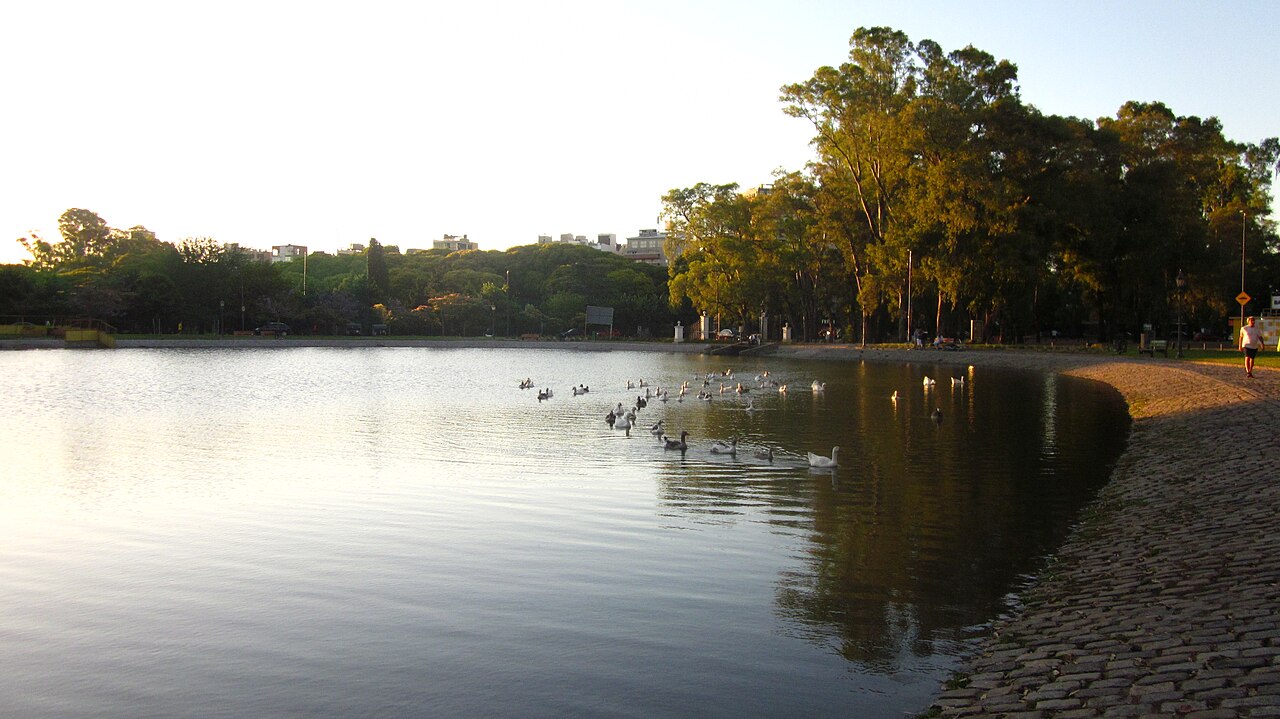
The emerald spring water of the Buenos Aires basin
The race takes place within a sheltered five-hectare lake fed by natural springs, giving the water an unexpected emerald tint framed by dense riparian vegetation. This freshwater enclave offers calm, current-free swimming. The lake basin rests just inland from the southwestern shore of the vast Río de la Plata, the great estuary that defines the coastal geography and maritime climate of Buenos Aires.
Laguna Club in Luján: the night format
The 2027 night swim of Circuito Lagos de Buenos Aires is scheduled for Laguna Club, on Ruta 7 km 81 in Luján, Buenos Aires province. The organisers describe the venue as a beautiful stretch of water on the western access road from the city of Buenos Aires. Open-water races of Lagos de Buenos Aires are swum without wetsuits unless the organisation announces otherwise. The start of the 750 m swim is set according to sunset, and the 1,500 m swim goes five minutes after it. Age categories for both distances run from up to 19 years to over 60, in ten-year steps, and the minimum age to compete is 18.
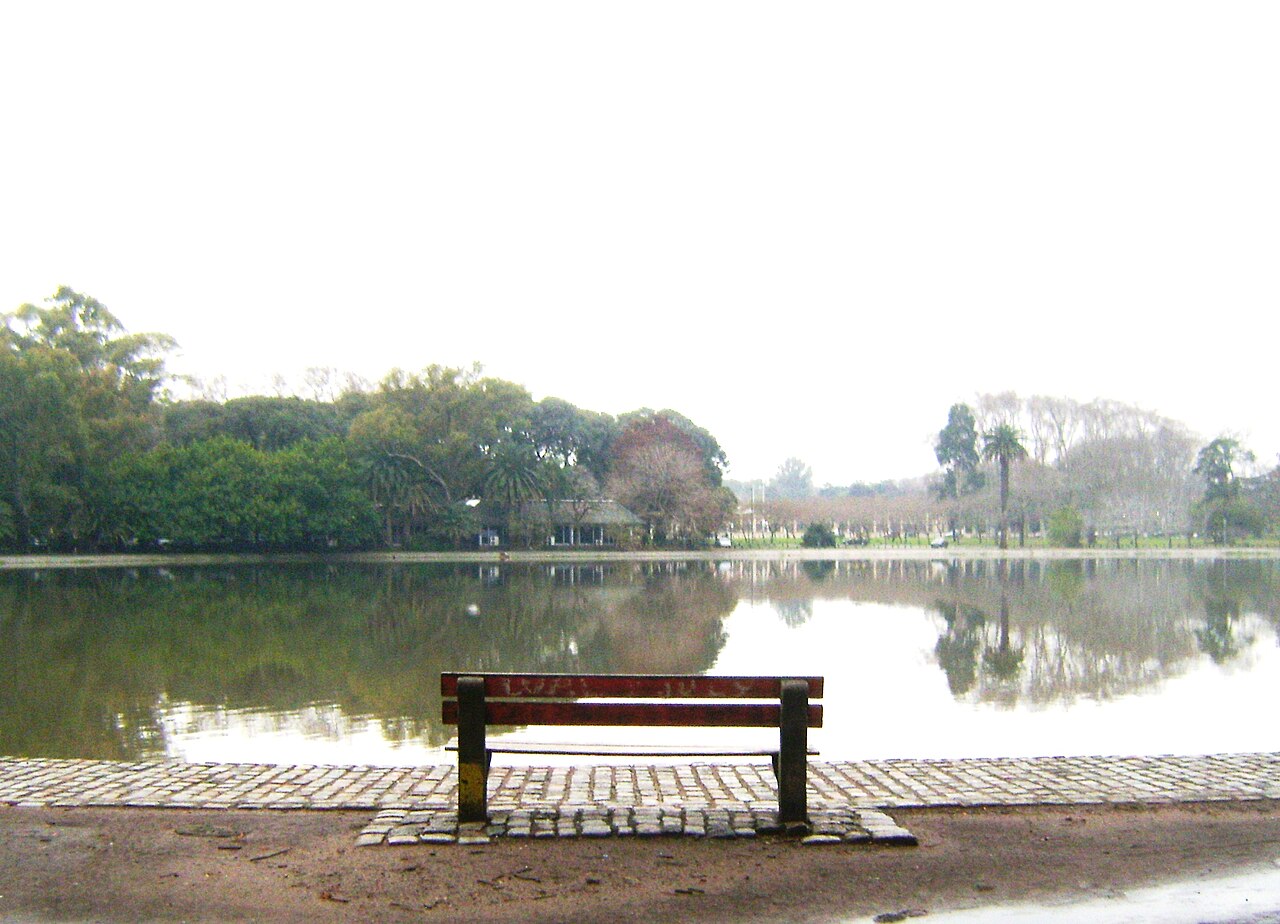
From the Riachuelo shore to the buried customs pier
The shores of this river system have witnessed maritime traffic since the earliest European arrival, beginning when Juan Díaz de Solís first navigated the waters of the Río de la Plata in 1516. The original shoreline once washed right against the ground where the Casa Rosada stands today. In 1713, the colonial port erected the Castle of San Miguel on that water's edge, fortifying the riverbank with stone turrets, a protective moat, and a drawbridge. When the iconic government palace was painted pink, local tradition held that ox blood was mixed into the limewash to seal the exterior walls against the persistent damp rising from the river. As river trade expanded in 1855, the New Customs House thrust a massive 300-meter pier straight out into the river, capped with a central beacon tower designed to guide deep-draft vessels into safe anchorage. Today, the river has receded from those historic stone wharves, and the buried foundations of that Victorian customs pier rest forgotten beneath the lawns of Colón Park.
Río de la Plata: gunboat duels and nineteenth-century blockades
The Spanish royalist squadron dominated the Río de la Plata along with the Paraná and Uruguay rivers, utilizing the fortified outpost of Isla Martín García as their staging ground. On the night of July 15, 1811, royalist gunboats slipped silently past the outer beacons under cover of darkness to initiate the first bombardment of Buenos Aires, confronted only by a single patriot gunboat commanded by Hipólito Bouchard. A month later, in August 1811, Spanish warships launched a second assault, pounding the harbor access channel for five hours from long range, unable to cross the protective sandbank guarding the beacons. By March 4, 1812, during the third bombardment, royalist ships battered the Buenos Aires pier and patriot vessels, prompting crowds of local residents to rush down to the beaches and ravine.
Under direct enemy fire, townspeople hauled heavy artillery cannons down to the water's edge to establish a defensive battery on the sand. Naval tension on the Río de la Plata continued well into the nineteenth century, as the harbor endured extended maritime blockades imposed first by the French navy between 1838 and 1840, and later by a joint Anglo-French expedition from 1845 to 1848. More than a century after those gunboat battles lit the estuary with cannon fire, swimmers now illuminate these inland waters with personal safety beacons, turning a warm summer night into an enchanting race through emerald spring water.
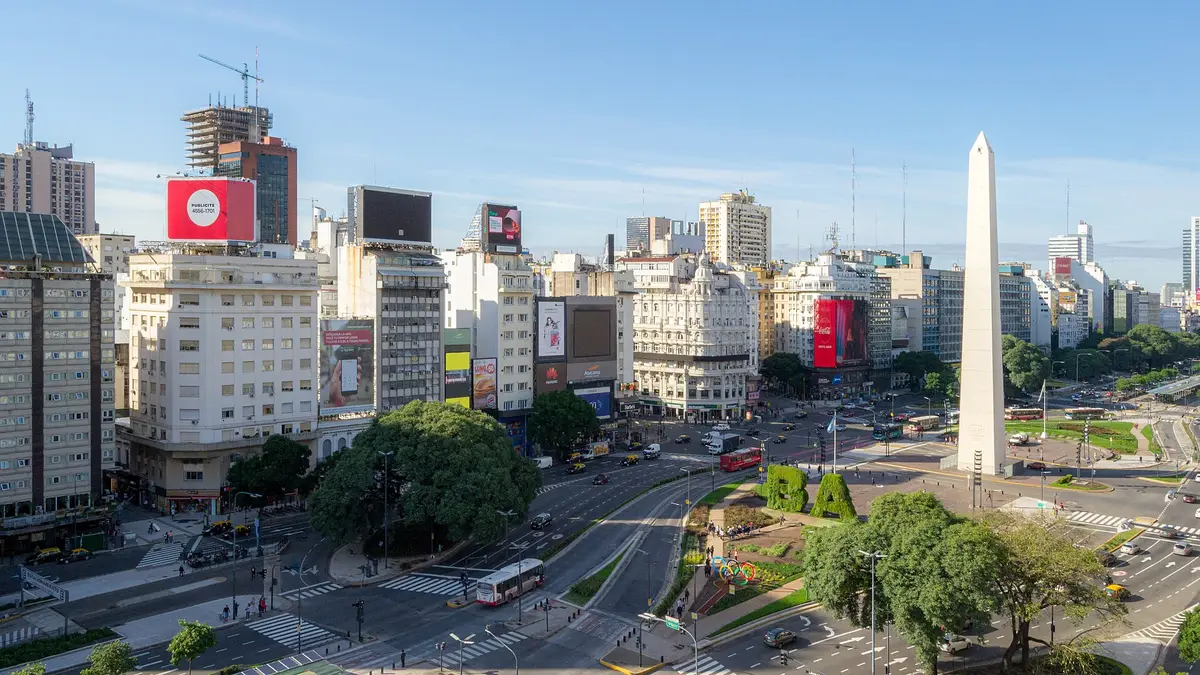
Sources: Buenos Aires · Primer bombardeo de Buenos Aires · Tercer bombardeo de Buenos Aires
Course
How to get there
Aguas Abiertas Nocturnas — Circuito Lagos de Bs.As.
Frequently asked questions
- When was the last edition of Aguas Abiertas Nocturnas — Circuito Lagos de Bs.As.?
- The last edition of Aguas Abiertas Nocturnas — Circuito Lagos de Bs.As. took place on January 17, 2026.
- What distances does Aguas Abiertas Nocturnas — Circuito Lagos de Bs.As. offer?
- Aguas Abiertas Nocturnas — Circuito Lagos de Bs.As. offers 750 m and 1.5 km.
- How much is the entry fee for Aguas Abiertas Nocturnas — Circuito Lagos de Bs.As.?
- Entry fees by distance: 750 m: 72,000 ARS · 1.5 km: 78,000 ARS.
- Where does Aguas Abiertas Nocturnas — Circuito Lagos de Bs.As. take place?
- Aguas Abiertas Nocturnas — Circuito Lagos de Bs.As. is a lake swim. Location: Buenos Aires, Argentina.
- How do I register for Aguas Abiertas Nocturnas — Circuito Lagos de Bs.As.?
- The reference page for registering for Aguas Abiertas Nocturnas — Circuito Lagos de Bs.As. is https://www.lagosdebsas.ar/.
Where to stay
The area surrounding the lakes offers a mix of local lodges and small-scale guesthouses. Budget-conscious participants often opt for campsites located directly along the lake perimeter, while those seeking more comfort can find boutique inns in the nearby towns. Prices generally range from $40 to $120 per night, depending on the proximity to the water and the level of service provided. Early booking is recommended, especially for dates coinciding with the summer race schedule, as local availability can tighten quickly during peak weekend events.
Things to do nearby
The region around the Buenos Aires lakes is primarily defined by its outdoor lifestyle. Athletes often spend the days leading up to the race exploring the shorelines via kayak or stand-up paddleboard to familiarize themselves with the water conditions. Beyond the lake, the surrounding countryside offers extensive trails suitable for trekking and cycling. For those interested in local culture, the small townships frequently host weekend markets where artisanal food and regional beverages can be sampled after the race morning.
Swimmers
Other stages of this series
- Open Water LujánLujan, Buenos Aires, Argentina, AR
- Aguas Abiertas Balneario Municipal GualeguaychúGualeguaychú, AR
- Aguas Abiertas Lagos del RocíoLagos del Rocío, AR
- Aguas Abiertas Laguna de Gómez — JunínJunín, AR
- Aguas Abiertas Lago La CandelariaTristán Suárez, AR
- Aguas Abiertas San Miguel del MonteSan Miguel del Monte, AR
Similar races


Comments
Transparency: some links on this page (stays, flights, experiences, gear) are affiliate links — if you book or buy through them, Omniathlon may earn a commission from the partner at no extra cost to you. As an Amazon Associate we earn from qualifying purchases.