
Fondo nel Golfo
- Jun 27, 2026
- Last edition date
- Distances from 1.5km to 4.5km
At a glance
- Last edition date
- June 27, 2026
- Distances
- 1.5 km · 3 km · 4.5 km
- Where
- Lake · Golfo di Salò, Salò, Lombardia, Italy
- Entry fee
- 30–40 €
- Registration
- canottierigarda.it
About the race
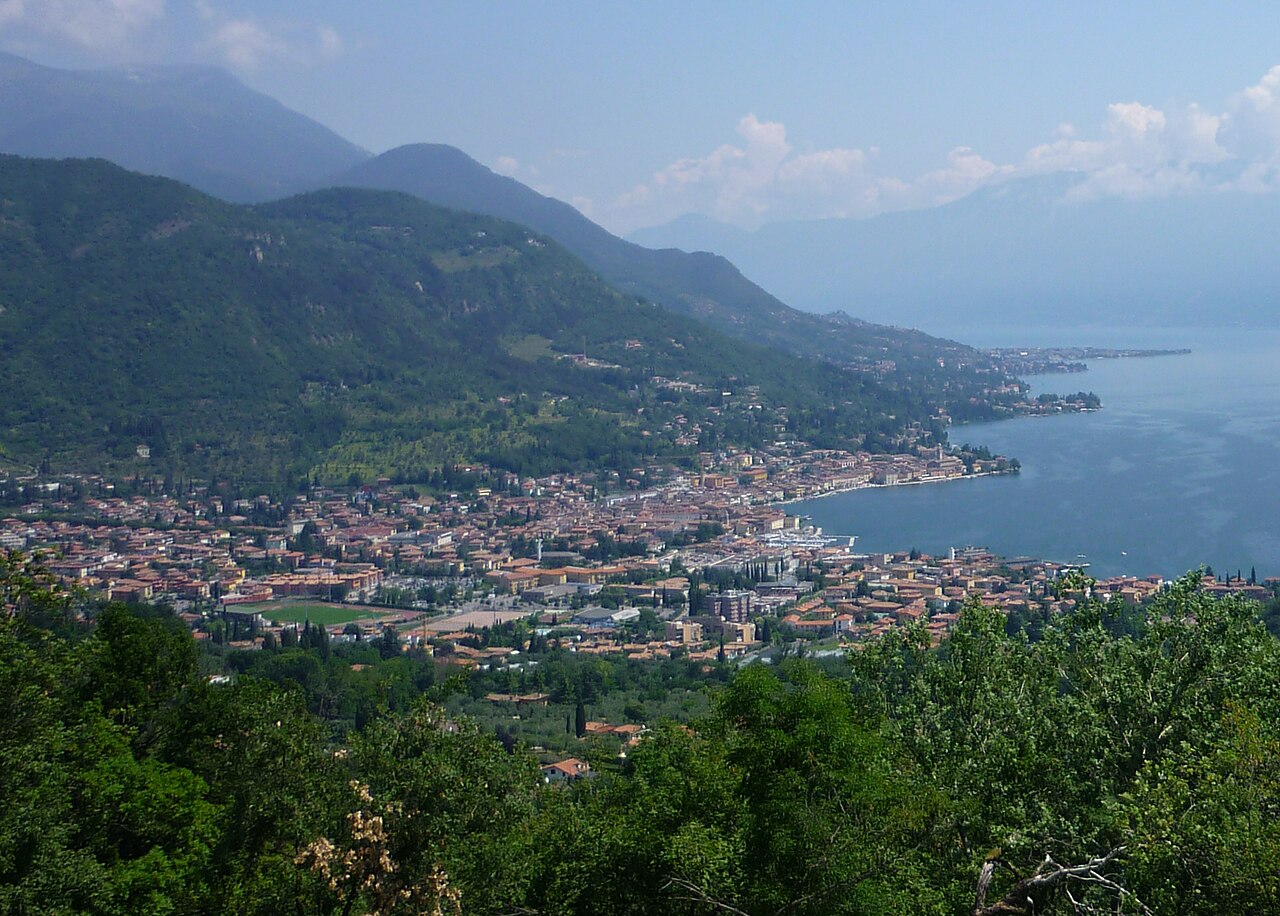
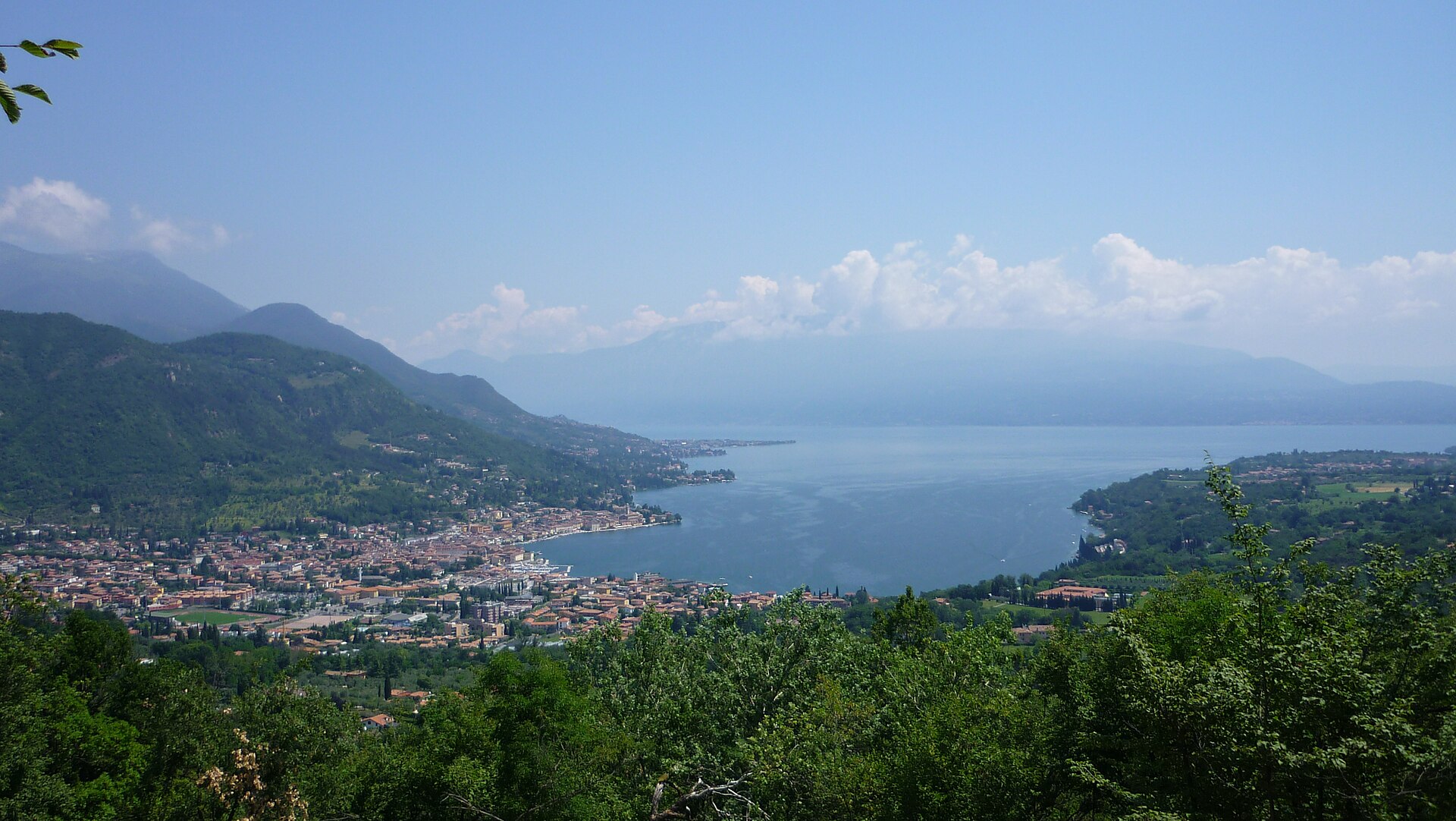
The Gulf of Salò hosts the Fondo nel Golfo e Campionato Regionale di Fondo - Città di Salò, an open water swimming race held in the historic town of Salò, in the Lombardy region of northern Italy. Organized by the Società Canottieri Garda Salò, the competition takes place in June, gathering swimmers on the shore at Spiaggia Sirena, stepping into the lake directly alongside the rowing club grounds. Swimmers choose between three open water courses mapped across the bay. The 1,500-meter race strikes into the center of the gulf before turning toward Piazza Zanardelli, swimming past the bronze statue of Zanardelli and following the historic Lungolago G. Zanardelli to the finish at Spiaggia Le Rive.
For the intermediate 3,000-meter course, swimmers cover half the gulf as far as the Porticcioli area, cutting across the water toward the Carmine and the Duomo bell tower before joining the promenade stretch to Spiaggia Le Rive. The premier 4,500-meter challenge runs the entire breadth of the Gulf of Salò, passing Villa Portesina and Portese before cutting straight across open water toward the Carmine and the Duomo bell tower. Like the shorter courses, it sweeps along the historic Lungolago G. Zanardelli to finish at Spiaggia Le Rive, followed by an awards ceremony and a post-race buffet in the starting area.
Lake Garda and the sheltered waters of the Gulf of Salò
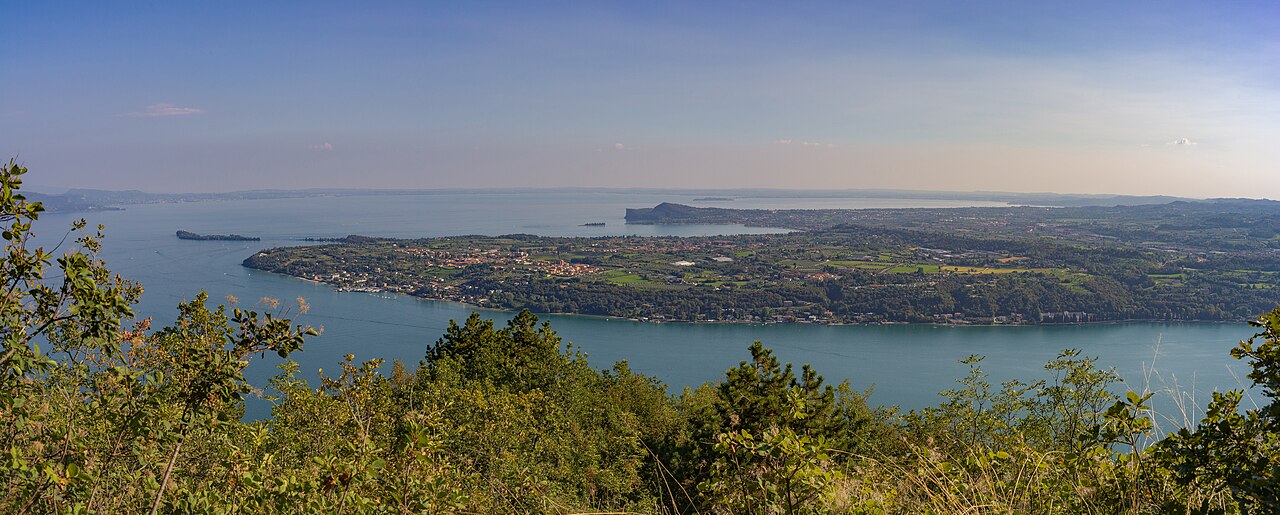
Lake Garda occupies an ancient depression carved by stream erosion five to six million years ago, subsequently gouged into a freshwater lake basin by a massive Paleolithic glacier. Beneath the surface, an underwater geological fault stretching between Sirmione and Punta San Vigilio acts as a natural submerged barrier, preventing water homogenization between the lake's northern and southern waters. In 243 CE, violent seismic activity reshaped these depths when a disastrous earthquake completely submerged the ancient Roman city of Benaco at modern-day Toscolano Maderno. In the protected Gulf of Salò, the surrounding mountain ridges shield the surface from high winds, forming a natural amphitheatre with a benign microclimate and reliably calm, sheltered water.
Submerged stilt settlements and Roman naval battles of Benacus
About eight kilometres from the race course at San Sivino-Gabbiano, sport divers from Desenzano del Garda discovered a submerged Bronze Age pile-dwelling village in 1971. The site extends for approximately 150 meters along the shore beneath the water, with tree-ring analysis dating the wooden piles to between 2200 and 1400 BC. About seven kilometres from Salò lies Lucone di Polpenazze, a morainic basin that was once occupied by a small lake before a sixteenth-century drainage canal was cut through the morainic ridge to drain it. The Lucone D settlement was established in 2034 BC when prehistoric builders felled centuries-old oaks to drive stilt dwellings into the lake mud, producing extraordinary relics including a dugout oak canoe uncovered in 1965.
Rising lake waters eventually drowned Lucone D under a protective white carbonate layer, and in 2011 the site gained UNESCO World Heritage status among the prehistoric pile-dwellings of the Alps. During classical antiquity the lake was called Benacus by the Romans, providing the backdrop in 268 or early 269 AD for the Battle of Lake Benacus, where imperial forces clashed with the Alamanni federation. Strategic naval control remained paramount for centuries; in 1438, the Republic of Venice performed the monumental feat of hauling six galleys and twenty-five warships overland from the Adige River into Lake Garda using two thousand oxen. The lakeside was heavily fortified by the Scaliger dynasty, who erected the Serraglio defensive network of castles and walls across the landscape, as well as the 14th-century Scaligero Castle at Sirmione, fourteen kilometres away, which preserves the only surviving 14th-century fortified port docks, with its internal waters cleared during conservation work completed in 2018.
Across the lake, Punta San Vigilio forms a peninsula where the foot of Mount Baldo dips directly into the water, inhabited since the Bronze Age as shown by carved rock figures and weapons. The peninsula once held a pagan Roman temple dedicated to the lake god Benaco, and its historic villa estate includes a small private harbor accessible straight from the lake. On the northern shore of the headland, the protected parkland of Baia delle Sirene offers a public beach for swimming in crystal-clear lake water.
Isola del Garda and the islands of the southwestern bight
At the outer mouth of the bay sits Isola del Garda, the largest island in Lake Garda, extending 1.1 kilometres in length and just 70 metres across at its widest point. After the Roman era, the island served as a base for pirates who intercepted cargo and merchant traffic crossing Lake Garda. While modern pirates operate in maritime corridors such as the Gulf of Aden off Somalia or the Strait of Malacca, boarding commercial ships from light skiffs, historic lake pirates exploited island rocks to ambush unsuspecting trading vessels. The island was originally a bare ridge of crags emerging from the water, requiring its inhabitants to haul in all the topsoil for its gardens by boat before protective stone containment walls were erected between 1880 and 1900.
In 1220, the Franciscans established a hermitage among the natural caves and boulders on the island, and centuries later, in 1860, the new Italian state expropriated the property to build border fortifications against the Austrian military. Further south at Punta Belvedere, Isola di San Biagio measures approximately 110 meters long by 70 meters wide, covering 7,000 square meters about 200 meters from the mainland shore. Historically maintained as a rabbit-hunting reserve by local aristocrats, it has been protected since 2007 within the Rocca di Manerba Nature Reserve for the conservation of lake biodiversity. During the severe winter drought of early 2023, lake levels fell to historic minimums, allowing visitors to walk across to the island over a temporarily exposed dry isthmus.
Overlooking the bay from the hills of Gardone Riviera, four kilometres from Salò, the Vittoriale degli Italiani covers nine hectares of lakeside terrain. Its grounds descend down cascading terraces to an orchard and a lemon house, while the Veranda of the Apollino was built as a shaded reading gallery looking out over the gardens towards the water. Inside the villa, the Relics Room preserves the broken steering wheel from Sir Henry Segrave's fatal speed record attempt on Lake Windermere in 1930, while the ceiling of the Blue Bathroom features an ancient inscription quoting the Greek poet Pindar: 'Best is water'.
Lungolago Zanardelli and the waterfront of Salò
Salò itself developed from the ancient Roman settlement of Pagus Salodium, whose burial grounds were uncovered at the Lugone necropolis, before being fortified with solid defensive walls and a castle in 1377. Today, the town is celebrated for having the longest pedestrian promenade on Lake Garda. Lined with historic architecture beneath the green slopes of Mount San Bartolomeo, the promenade carries an elegant air that has drawn frequent comparisons to the French Riviera. Facing the water stands the Palazzo della Magnifica Patria, the historic civic seat that once housed the government of the lakeside municipal federation. At sunrise, the promenade draws morning runners and anglers casting into calm shallows, while in the evening it turns into a vibrant stretch of open-air restaurants and strolls. With passenger ferries departing from the nearby quays toward Isola del Garda, it offers an ideal lakeside venue to celebrate after racing across the waters.
Sources: Salò
Course
Starts in the center of the gulf, turns towards Piazza Zanardelli, passes the G. Zanardelli statue, follows the Lungolago G. Zanardelli, and finishes at Spiaggia Le Rive.
Coasts half the gulf to the 'Porticcioli' area, continues towards the 'Carmine' and the Duomo bell tower, passes Lungolago G. Zanardelli, and finishes at Spiaggia Le Rive.
Coasts the entire gulf, passing Villa Portesina, continuing to Portese, cutting across the gulf towards the 'Carmine' and the Duomo bell tower, and finishing at Spiaggia Le Rive.
Awards
Awards ceremony and buffet held in the start area after the race.
Previous editions
- 2025results
Useful info
Event on 06/27/2026. Includes the FIN Regional Championship (morning/afternoon). Registration closed (Sold Out). Mandatory use of a personal buoy (provided in the race pack) and an electronic timing chip. Briefing at 6:15 PM. Pasta party and final awards ceremony scheduled.
How to get there
Airports: Verona Villafranca (VRN) 55km, Milano Bergamo (BGY) 85km. Train station: Desenzano del Garda (15km), connected to Salò by bus line LN026. By car: A4 motorway, exit Desenzano, follow signs for Salò. Recommended parking: Lungolago area or the multi-story car park on Via Pietro da Salò.
Fondo nel Golfo
Frequently asked questions
- When was the last edition of Fondo nel Golfo?
- The last edition of Fondo nel Golfo took place on June 27, 2026.
- What distances does Fondo nel Golfo offer?
- Fondo nel Golfo offers 1.5 km, 3 km, and 4.5 km.
- How much is the entry fee for Fondo nel Golfo?
- The entry fee ranges from 30 € to 40 €. Registration closed (Sold Out). Prices refer to the standard entry fee range.
- Where does Fondo nel Golfo take place?
- Fondo nel Golfo is a lake swim. Location: Golfo di Salò, Salò, Lombardia, Italy.
- How do I register for Fondo nel Golfo?
- The reference page for registering for Fondo nel Golfo is https://canottierigarda.it/eventi/nuoto/13-fondo-nel-golfo-e-campionato-regionale-di-fondo-citta-di-salo.
Where to stay
Salò offers a range of options catering to different budgets, from family-run guesthouses in the historic center to boutique hotels overlooking the harbor. Camping facilities are available along the nearby lakefront, providing easy access to the start line at Spiaggia Le Rive. Expect to pay between 80 EUR and 180 EUR per night for a double room, depending on the proximity to the waterfront and the level of service provided by the local establishments.
Things to do nearby
The weekend in Salò balances sport with local culture. Visitors can explore the Roman heritage through guided visits to the civic museum or take a boat excursion to the surrounding islands. The Valtenesi area is well-known for its olive oil and wine production, offering numerous tasting opportunities at local estates. For those preferring active recovery, the lakefront provides excellent paths for cycling, while kayak and SUP rentals allow for a closer inspection of the gulf's hidden coves and protected nature reserves.
Swimmers
What to see around
1. Vittoriale degli Italiani (Gardone Riviera, 3km): D'Annunzio's estate. 2. Isola del Garda: boat tour to the neo-Gothic villa. 3. Monte Baldo: scenic trekking with lake views. 4. Gardone Riviera: walk through the André Heller Botanical Garden. 5. Garda Cycle Path: MTB trails with lake views.
Similar races


Comments
Transparency: some links on this page (stays, flights, experiences, gear) are affiliate links — if you book or buy through them, Omniathlon may earn a commission from the partner at no extra cost to you. As an Amazon Associate we earn from qualifying purchases.